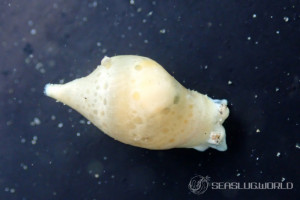
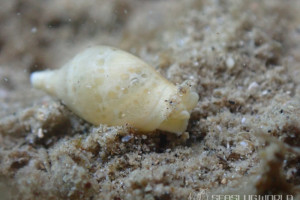
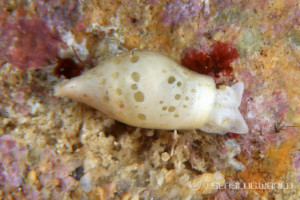
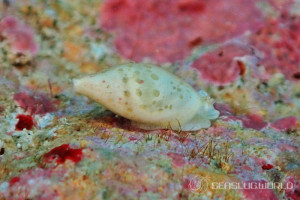
Volvatella maculata K. R. Jensen, 2015
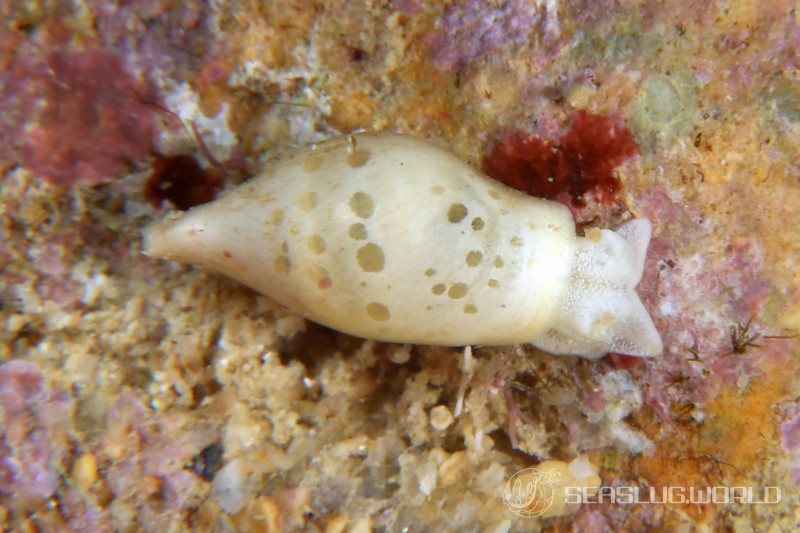
- Location
- Tengan(Kombu), Okinawa Island (East coast), Okinawa, Japan
- Date
- 2019/04/30
- Length
- 7mm
- Depth
- 3.0m
- Water temperature
- 23.0℃
Description
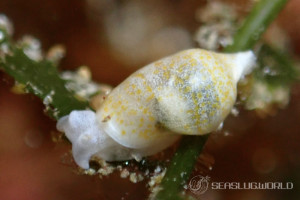
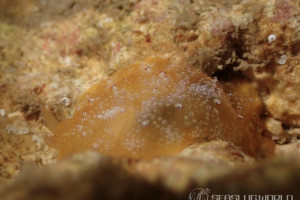
A very small sacoglossan whose head and foot can be retracted completely into the bubble-shaped shell. There is no cephalic shield; instead, two pairs of highly mobile cephalic lobes are present, the anterior pair grooved and larger than the more dorsally positioned, triangular posterior pair. The foot is short, narrow and rounded posteriorly, with broad rounded anterior lobes. A ciliated spawning groove runs from the female genital opening toward the mouth. Small rounded white spots scattered on the mantle give the species its name.Distribution
The type locality is Singapore, where the type material was collected from mangrove sediment. The species has also been recorded from the Ryukyu Archipelago in southern Japan.Etymology
The specific epithet maculata is Latin for "spotted" or "marked with spots", in reference to the rounded white spots on the mantle.Remarks
Because the original description was based on a single specimen, the range of intraspecific variation is not yet well documented.References
- Jensen K. (2015). Sacoglossa (Mollusca: Gastropoda: Heterobranchia) from northern coasts of Singapore. Raffles Bulletin of Zoology. suppl. 31: 226-249.
- タマシキブドウギヌ(新称), 中野理枝, 今川郁 & 今本淳. (2015). 南西諸島で記録された嚢舌類の報告. Kuroshio Biosphere. 11: 41-60.
- Volvatella maculata, Terrence Gosliner, Ángel Valdés and David Behrens. (2018). Nudibranch and Sea Slug Identification Indo-Pacific 2nd Edition. New World Pubns Inc.
Featured in this book
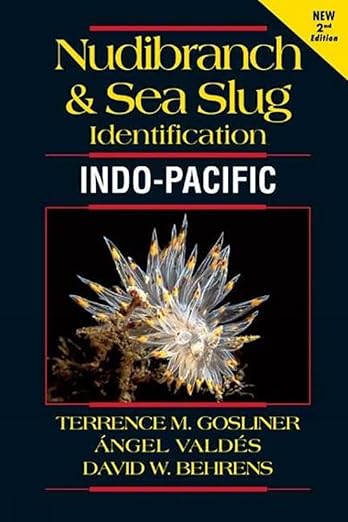
Terrence Gosliner, Ángel Valdés and David Behrens. (2018). Nudibranch and Sea Slug Identification Indo-Pacific 2nd Edition. New World Pubns Inc.
New World Publications
This species, Volvatella maculata, is included in the book.
View on Amazon PR (Amazon Associates)Seasonality
Shooting Locations
Loading shooting locations...
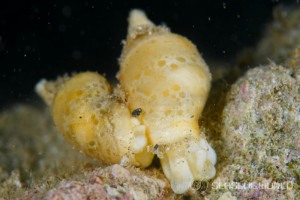
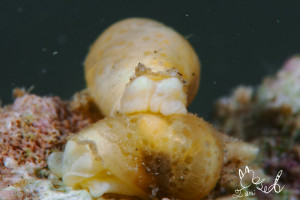
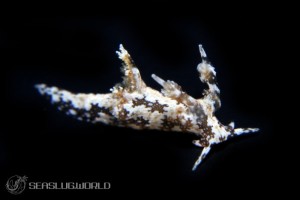
Photos of Volvatella maculata






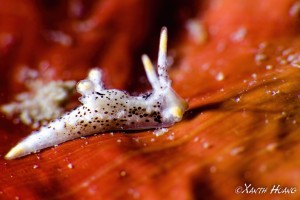
Same Genus Nudibranchs
Similar Colors Nudibranchs

Academic Database
Sea slug observation data is available in international marine biodiversity databases.