Eubranchopsis virginalis Baba, 1949
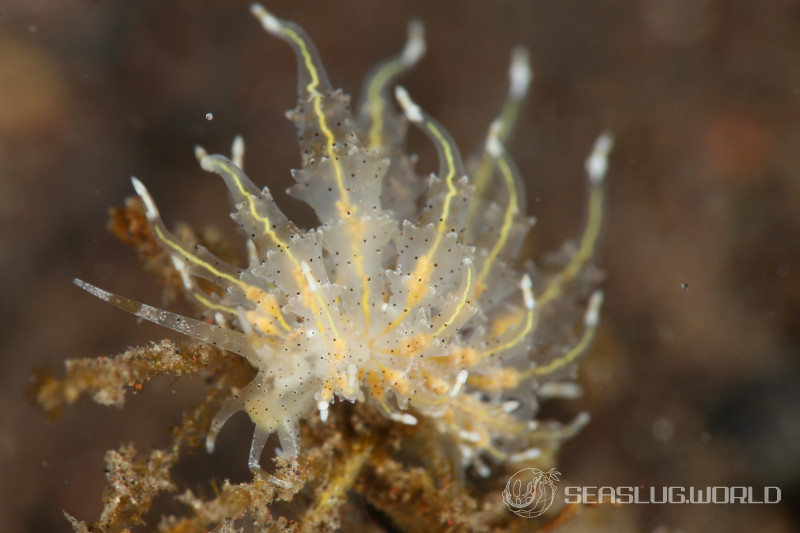
- Location
- Tulamben, Pulau Bali, Indonesia
- Date
- 2015/05/26
- Length
- ??mm
- Depth
- ??m
- Water temperature
- 28.0℃
Description
A small Eubranchidae, body length about 12 mm. Type species of the new genus Eubranchopsis Baba, 1949. Both oral tentacles and rhinophores are present; the rhinophores are simple, with no sheath. The anterior corners of the foot are not tentaculiform, and the tail extends well posteriorly. The cerata are long club-shaped, easily detached, and bear sharp conical small papillae arranged in 3 whorls, each with 5-8 papillae. The cerata are arranged in 6 oblique rows along the dorsal margin per side: 1st-2nd rows 3 cerata each, 3rd row 4, 4th row 3, 5th row 2, 6th row 1. Cnidosacs are present at the tips of the cerata. Body colour yellow-green, with many ultramarine fine round spots scattered over the whole surface (including the oral tentacles, rhinophores, and ceras surfaces) except the sole — a strikingly beautiful pattern. The central vein of the cerata is pale vermilion. The masticatory edge of the jaw plate is smooth. Radula formula 50×1.1.1. The central tooth is horseshoe-shaped with 3-6 denticles on each side of the median cusp; the laterals are broad plate-like.Distribution
Type locality is Hayama-Najima-Hiraiwa, Sagami Bay (intertidal, August 1939, 3 specimens). The original description (Baba, 1949) records the species only from Sagami Bay.Etymology
The specific epithet virginalis is Latin for virginal or pure. The original description does not give an explicit etymology paragraph; the descriptive sense aligns with the Japanese name "Joō-mino-umiushi" (queen aeolid). The genus name Eubranchopsis suggests a genus close to Eubranchus, although Baba does not state this explicitly.Remarks
Originally described as a new genus and species, Eubranchopsis virginalis Baba, 1949 (Eubranchidae, Acleioprocta). In a 1989 nomenclatural review, Baba himself reassigned the species to Eubranchus virginalis (Baba, 1949), with the family Eubranchidae = Cuthonidae = Tergipedidae. A supplementary anatomical note was published in 1971.References
- Eubranchopsis virginalis Baba, 1949, Baba K. (1949). Opisthobranchia of Sagami Bay collected by His Majesty the Emperor of Japan (相模湾産後鰓類図譜). Iwanami Shoten, Tokyo. 4+2+194+7 pp., pls. 1-50.
- 高岡生物研究会. (2002). 日本海のウミウシ. 第2版.
- ジョオウミノウミウシ, 中野理枝. (2004). 本州のウミウシ. ラトルズ.
- ジョオウミノウミウシ, 小野篤司. (2004). 沖縄のウミウシ. ラトルズ.
- ジョオウミノウミウシ, 小野篤司 & 加藤昌一. (2009). ウミウシ. 誠文堂新光社.
- Eubranchus virginalis, Terrence Gosliner, Ángel Valdés and David Behrens. (2015). Nudibranch and Sea Slug Identification Indo-Pacific. New World Pubns Inc.
- Eubranchopsis virginalis, Korshunova T., Fletcher K. & Martynov A. (2025). The endless forms are the most differentiated—how taxonomic pseudo-optimization masked natural diversity and evolution: the nudibranch case. Zoological Journal of the Linnean Society. 204(4): zlaf057. https://doi.org/10.1093/zoolinnean/zlaf057
Featured in this book
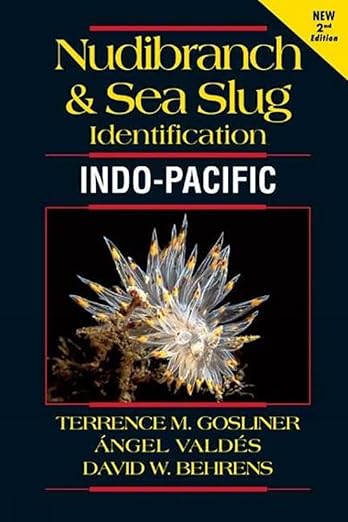
Terrence Gosliner, Ángel Valdés and David Behrens. (2018). Nudibranch and Sea Slug Identification Indo-Pacific 2nd Edition. New World Pubns Inc.
New World Publications
This species, Eubranchopsis virginalis, is included in the book.
View on Amazon PR (Amazon Associates)Seasonality
Shooting Locations
Loading shooting locations...
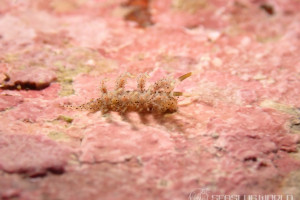
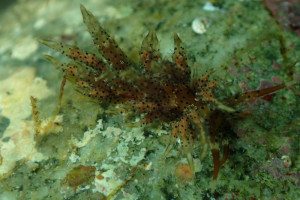
Photos of Eubranchopsis virginalis


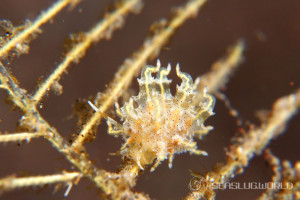

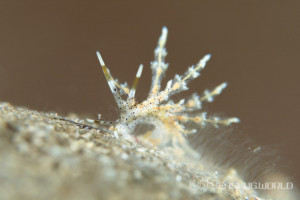
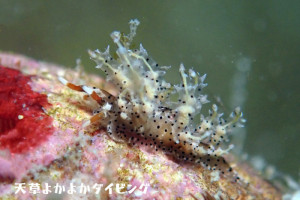

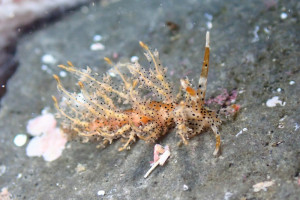

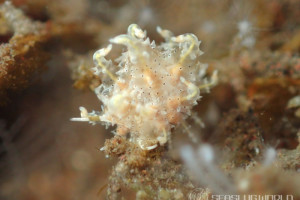

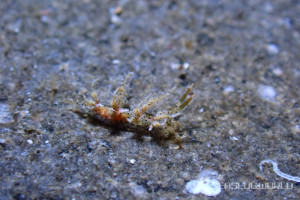

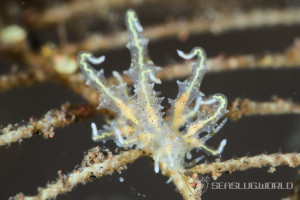

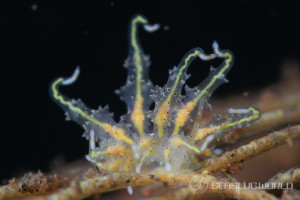

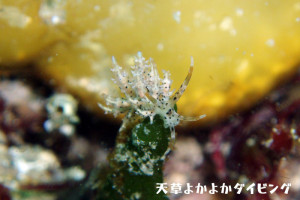
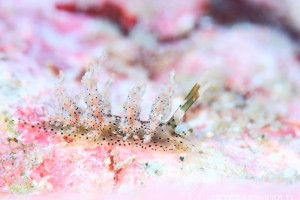

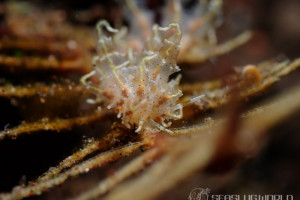

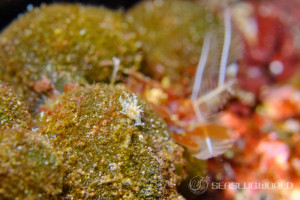
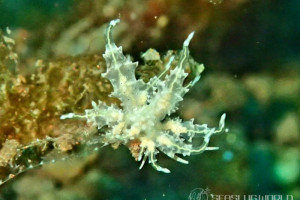
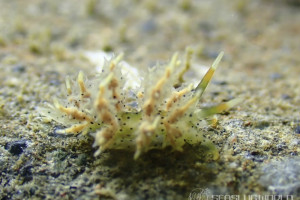

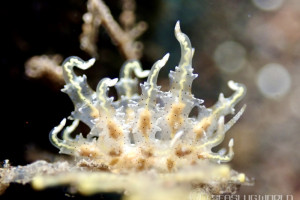

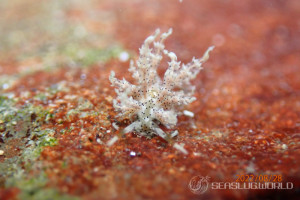

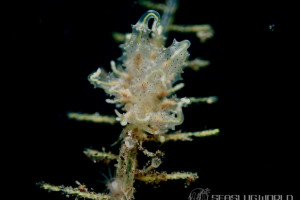
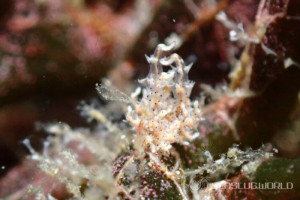

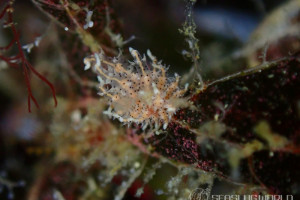

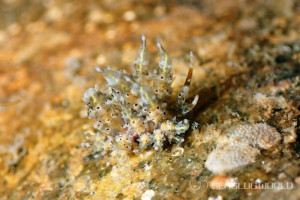

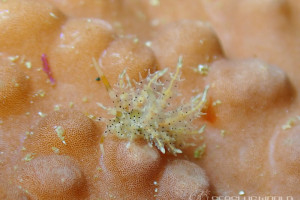

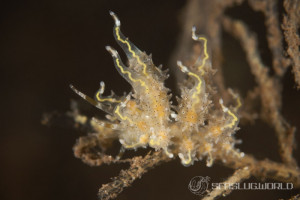

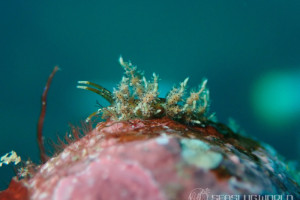

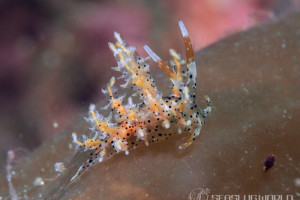

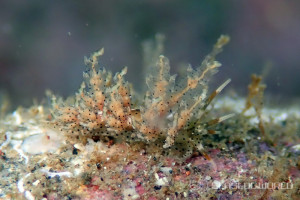

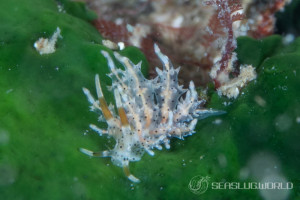

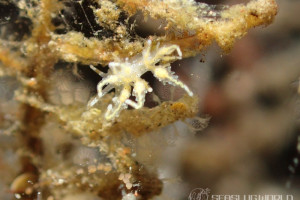
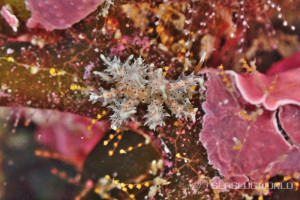

Academic Database
Sea slug observation data is available in international marine biodiversity databases.