Nudibranch Photo Submission Guidelines
Thank you for joining SEASLUG.WORLD.
SEASLUG.WORLD is a nudibranch field guide we build together with our community.
Please read this guide before submitting your nudibranch photos.
For the list of animal groups we accept, please also check What we accept.
Any shooting environment is welcome
We welcome photos taken in any setting — underwater, tide pools, home aquariums, preserved specimens, land-based sea slugs, and so on. You don't need dedicated underwater gear, and smartphone photos are absolutely fine.
As long as the photo is in focus and shows the species' diagnostic features, please submit it.
Submission requirements
- Photos must be taken by you, the submitter
- JPG format only
- At least 800 px wide, 15 MB or less in file size
- A 2:3 landscape aspect ratio whenever possible
- Include metadata: location, depth (or setting), body length, and water temperature (approximate values are fine)
How submitted photos are used
- Copyright remains with the original photographer
- Submitted photos may be used on SEASLUG.WORLD, our blog, Facebook page, and X (Twitter) account
- A seaslug.world watermark is added to deter unauthorized reuse (not applied if you have already added your own)
For any other use, we will consult the photographer on a case-by-case basis.
Review criteria
Each photo is reviewed individually before we decide whether to accept or decline it. Examples of photos that tend to be accepted or declined are shown below.
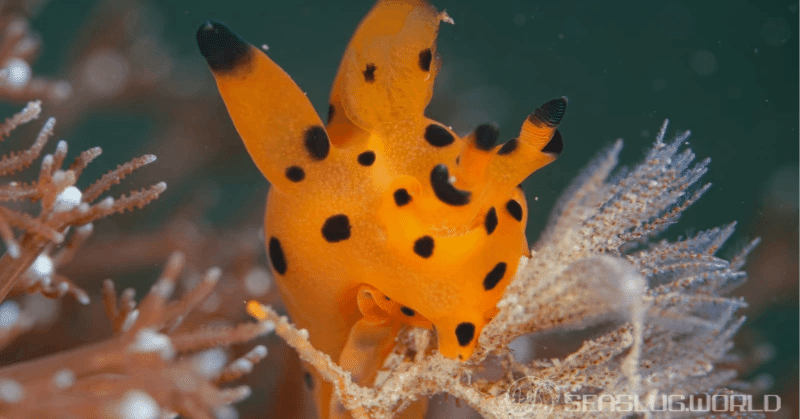
✓ The nudibranch is centered in the frame at a reasonable size
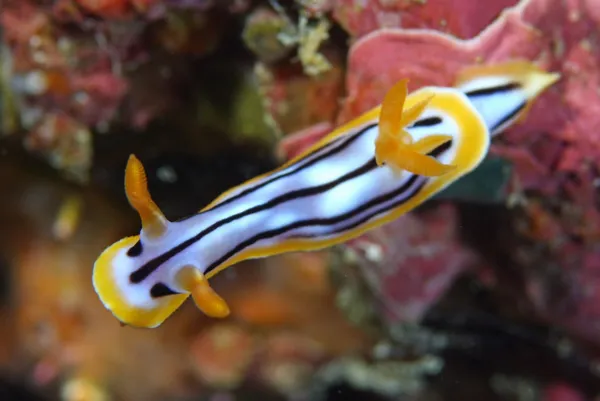
A top-down view is the default. Natural margins on all sides look fine.
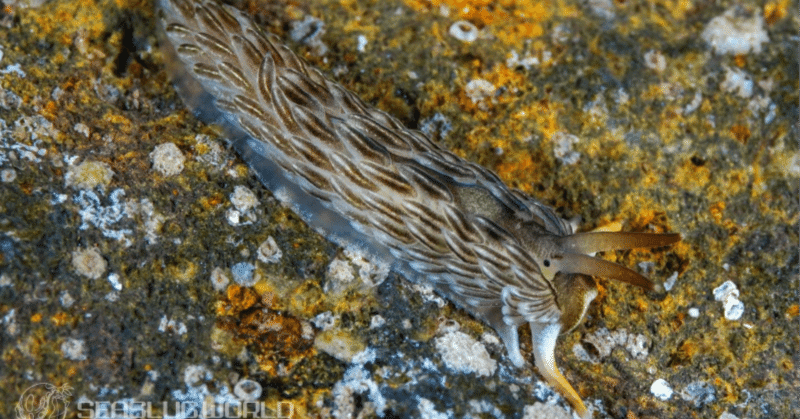
✓ Identifying features are clearly visible
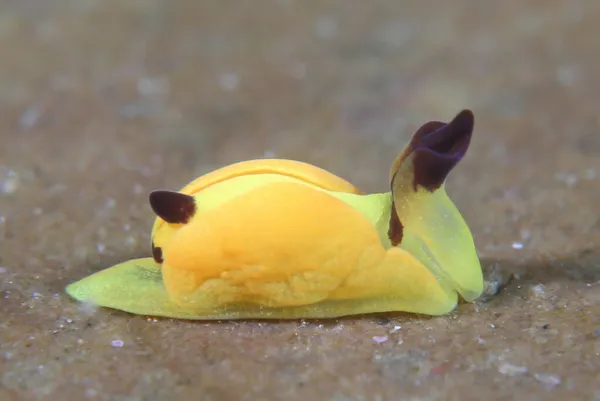
A side view is fine when the distinguishing features show up better from that angle.
✗ Out of focus
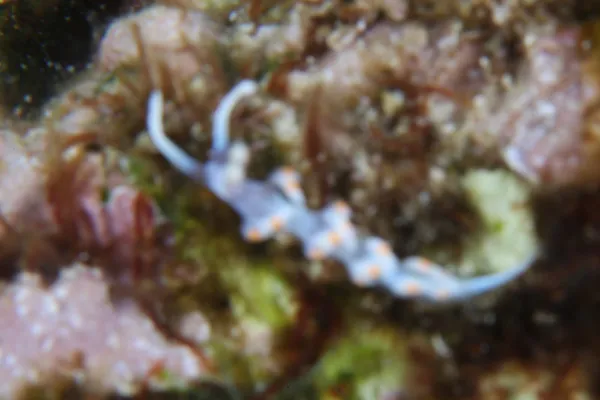
Something went wrong with the shot — please give it another try.
✗ Image quality is too low
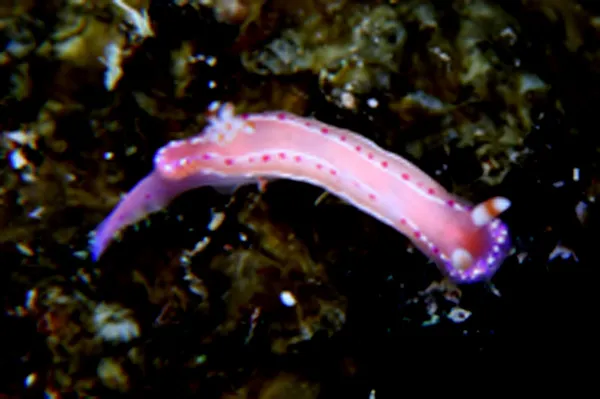
Upscaling a small photo to a larger size degrades image quality.
✗ Too large / parts are cut off
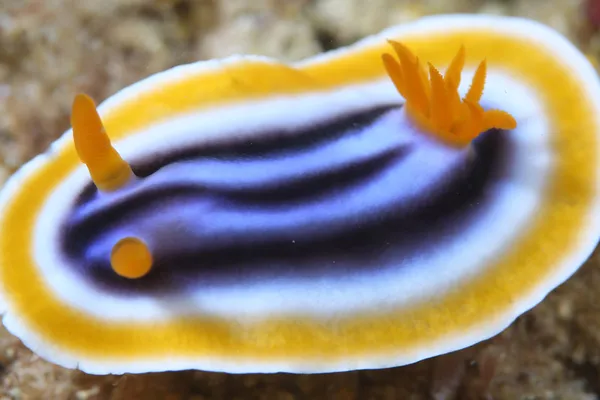
Close-ups showing only the face from the front, or only parts like the rhinophores, often make identification difficult and are declined.
✗ Too small in the frame
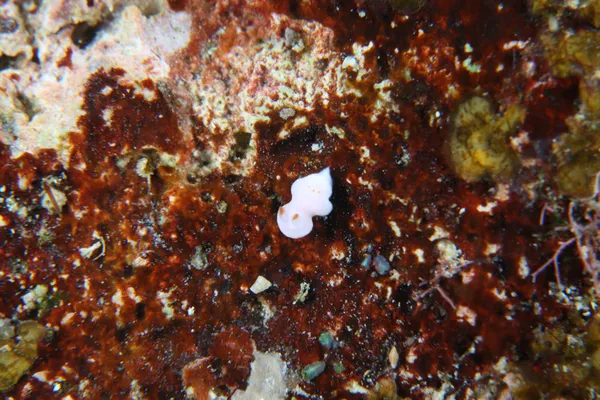
Cropping the image to a more appropriate size may make it acceptable.
✗ Unnatural color cast
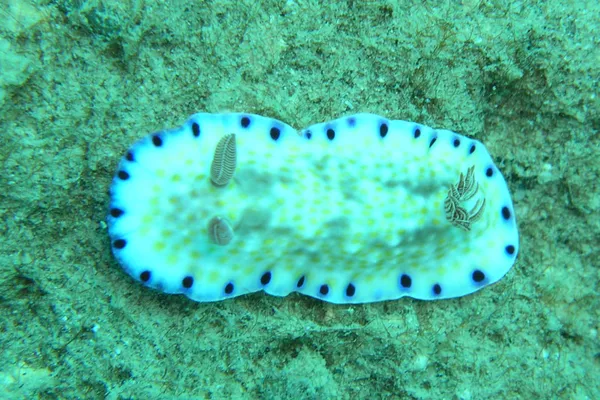
Strong blue casts and heavy color correction in post-processing are not acceptable.
✗ Extreme aspect ratio
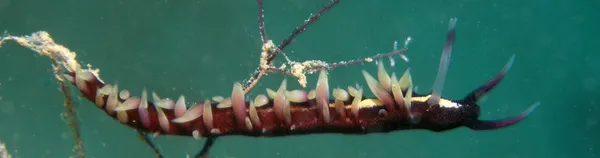
Portrait-orientation photos are also declined.
✗ Not a nudibranch
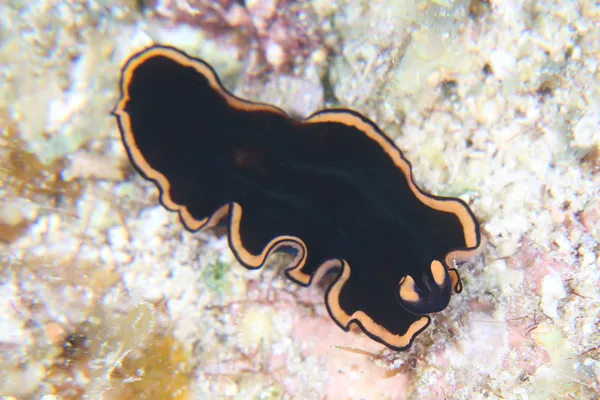
This photo is of a flatworm (Platyhelminthes).
✗ Multiple submissions of the same subject from the same photographer and location
That said, multiple photos of the same species are fine if they show variety — color variations, adults vs. juveniles, or behavioral scenes like feeding or mating.
When you're ready, head to the submission page.
Enjoyed this post? You can tip the author directly —
Tip this post