Thecacera pikachu: the 'Pikachu nudibranch' finally gets its name (East Timor, 2026)
A new paper describing three new polycerid nudibranchs collected from the waters off Timor-Leste (East Timor) has just been published.
Pola, M., Paz-Sedano, S., Guisado Martín, P., Warren, L., Noble, K. & Martín-Hervás, M.R. (2026). The most wanted! Gorgeous, delicate and surprising description of three new polycerid species (Mollusca, Heterobranchia) from East Timor. Zootaxa, 5793(1), 193–217. https://doi.org/10.11646/zootaxa.5793.1.9
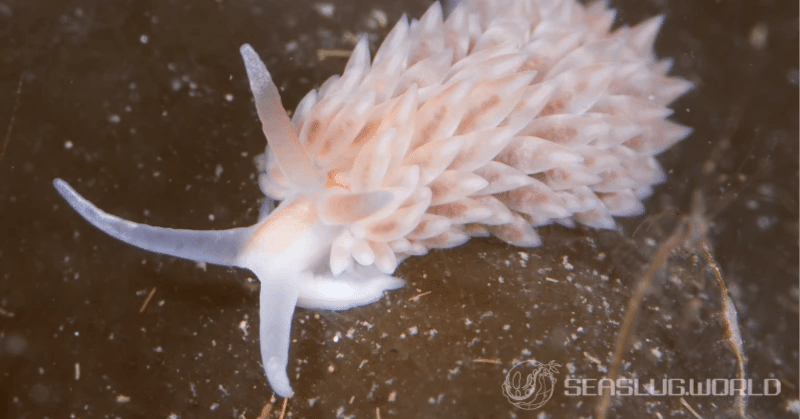
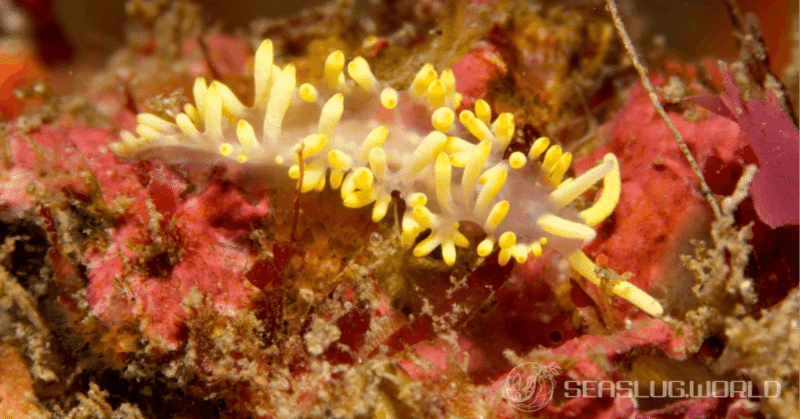
The three new species
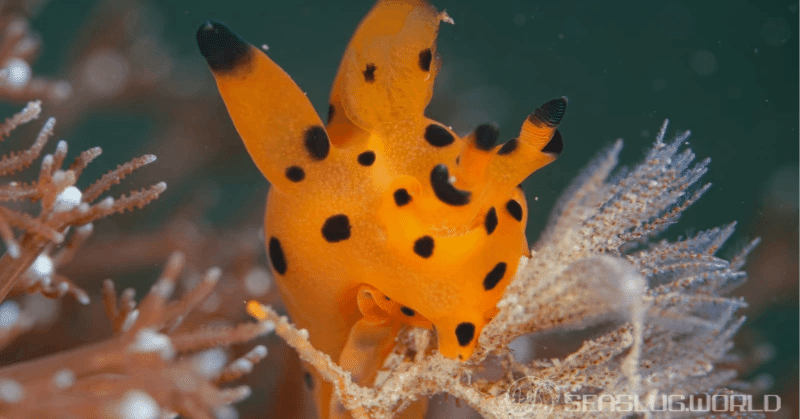
Thecacera pikachu — a slug named after Pikachu
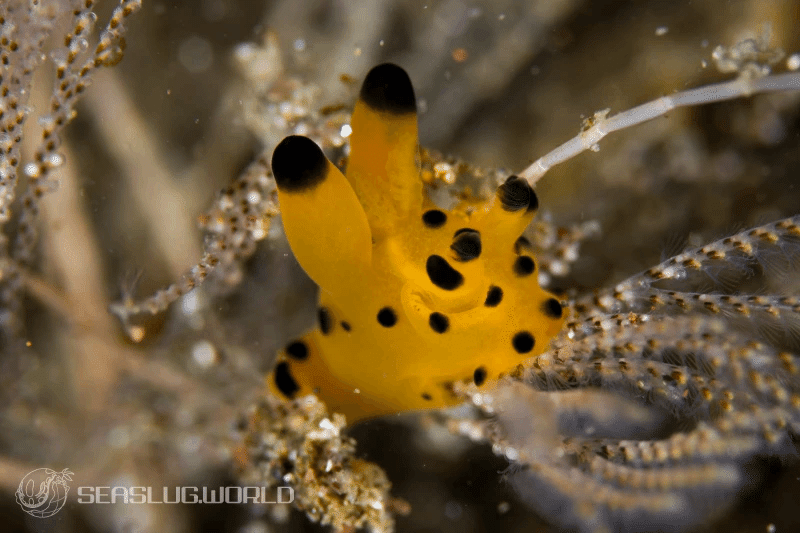
In Japan the common name "Pikachu nudibranch" refers to Thecacera pacifica (Japanese vernacular: Udefuri-tsunozaya-umiushi), but overseas the nickname "Pikachu nudibranch" has long been applied to a different species. It is a Thecacera with a pale orange body and regularly arranged black spots, known in Japan as Kanna-tsunozaya-umiushi. This nickname has now become the formal scientific name: Thecacera pikachu.
The species is widely distributed in the western Pacific, recorded from the Philippines, Indonesia, China, Malaysia, Japan and Timor-Leste. It is nocturnal and feeds on bryozoans and hydroids.
Thecacera melkyi — named after East Timor's first dive instructor
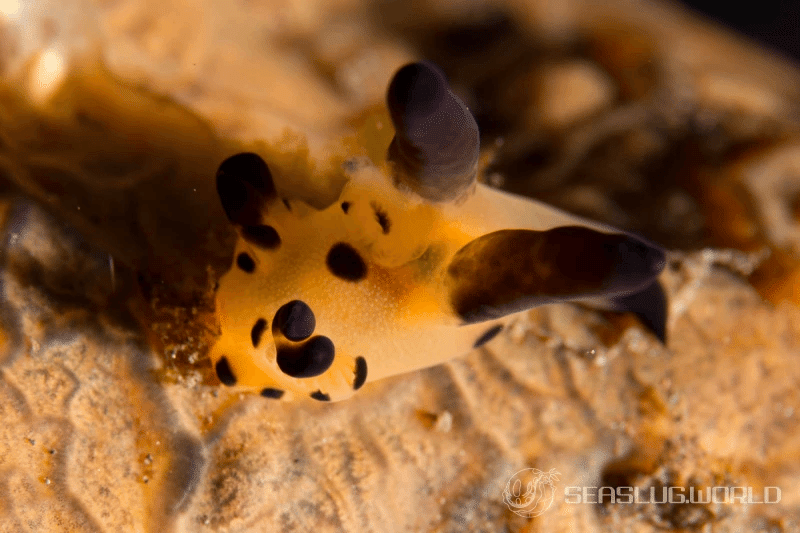
The other new Thecacera, Thecacera melkyi, externally resembles T. pikachu but has a more cream-orange body and a different arrangement of black spots. On the dorsum, the spots converge from behind the extra-branchial processes into a Y-shaped pattern that runs toward the tail tip. The rhinophoral sheaths and the extra-branchial processes are entirely dark brown.
The specific epithet honours Mr Melky, Timor-Leste's first dive instructor, who accompanied the authors on their survey and helped locate and collect specimens.
Photographs of the same species exist from Indonesia and Japan, where it had been figured in various field guides as Thecacera sp.
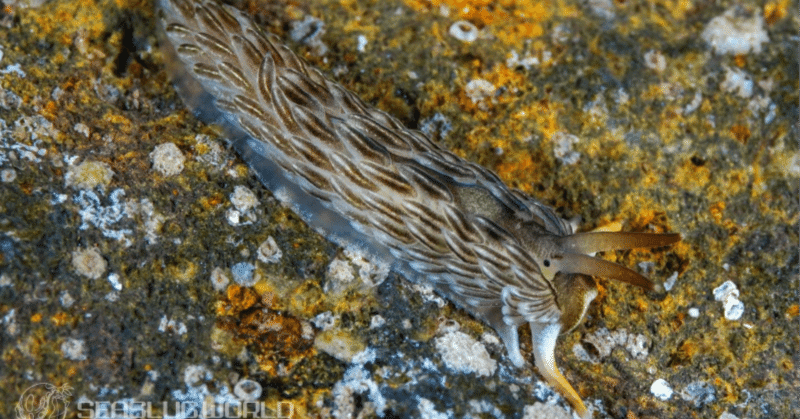
Nembrotha lorosae — a long-standing misidentification finally resolved
The rest of this article is for Premium members
To read the rest of this article, a Premium membership (USD 3.00/month) is required.
- Unlimited access to all members-only articles, including new species reports and paper introductions
- No ads (AdSense) across the entire site
- Priority handling of your observations (Premium uploads are identified and published first when the moderation queue is backed up)
- Priority access to the AI identification feature
Already a member? Please log in.
Enjoyed this post? You can tip the author directly —
Tip this post