A new Anteaeolidiella (A. decorus) from China — and also found in Japan
Zhang S. & Zhang S. (2023). Zootaxa 5336(4): 543–554. https://doi.org/10.11646/zootaxa.5336.4.5
Background
Anteaeolidiella takanosimensis (Japanese vernacular: Honmino-umiushi) was described by Kikutarō Baba in 1930 from Takano-shima in Tateyama Bay (Chiba Prefecture, central Japan). Similar-looking animals from the Chinese coast were also long treated as the same species.
When Chinese researchers ran DNA analyses, however, the Chinese specimens turned out to be genetically quite far from Honmino-umiushi. Despite the external resemblance, phylogenetically they fall into a different group — more closely related to the Australian Anteaeolidiella cacaotica.
How to tell the three apart
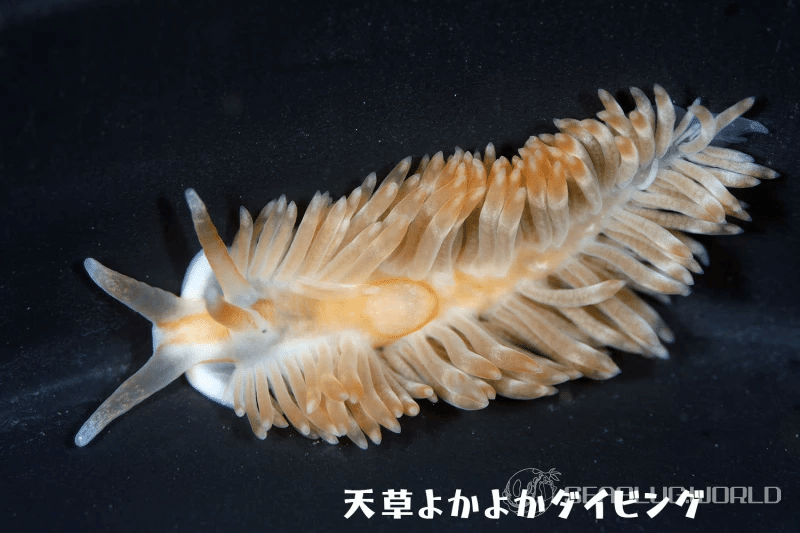
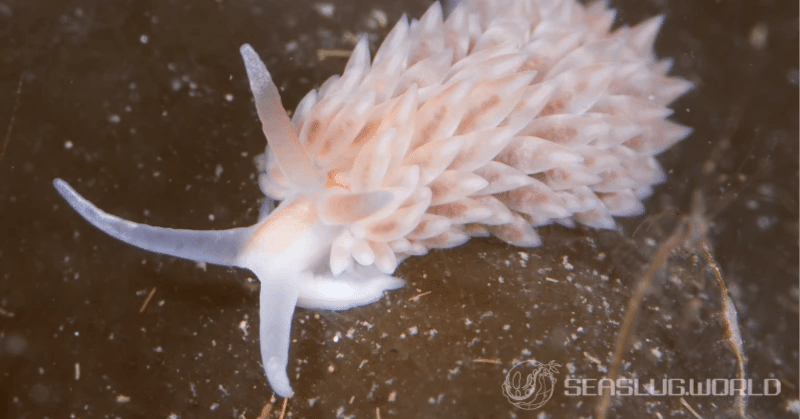
A. decorus has a pale pink to cream body, whitish oral tentacles, and rhinophores that are orange in the lower half and white in the upper half. The cerata are numerous, in 25–28 rows.
A. takanosimensis (Honmino-umiushi) has a vivid orange to red body, orange-tinted oral tentacles, and rhinophores that are orange throughout.
The rest of this article is for Premium members
To read the rest of this article, a Premium membership (USD 3.00/month) is required.
- Unlimited access to all members-only articles, including new species reports and paper introductions
- No ads (AdSense) across the entire site
- Priority handling of your observations (Premium uploads are identified and published first when the moderation queue is backed up)
- Priority access to the AI identification feature
Already a member? Please log in.
Enjoyed this post? You can tip the author directly —
Tip this post