A Diver's Guide to Japan's Nudibranchs & Sea Slugs

Introduction
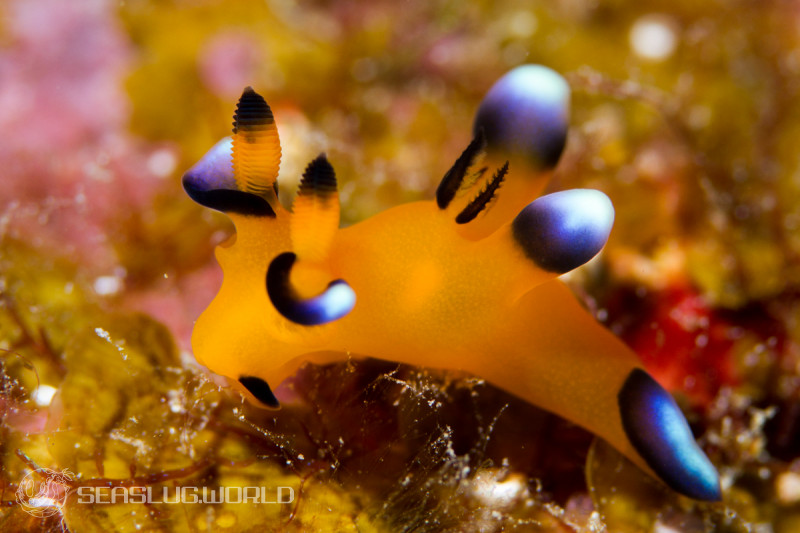
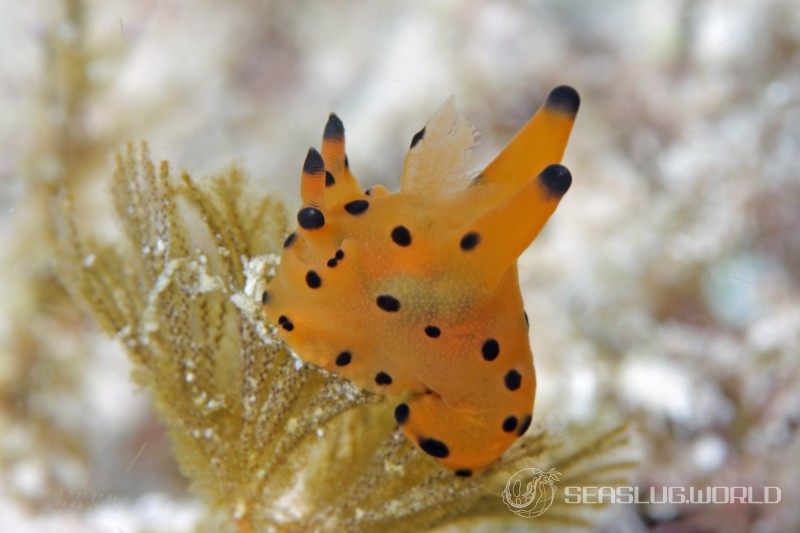
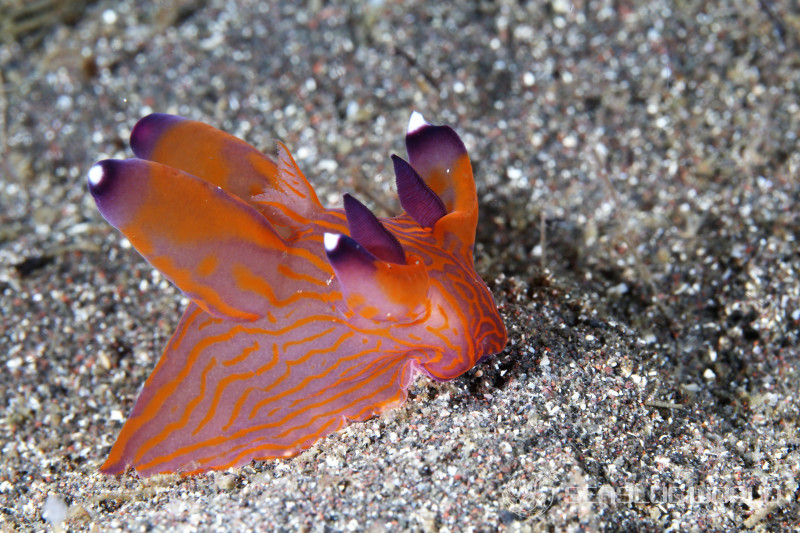
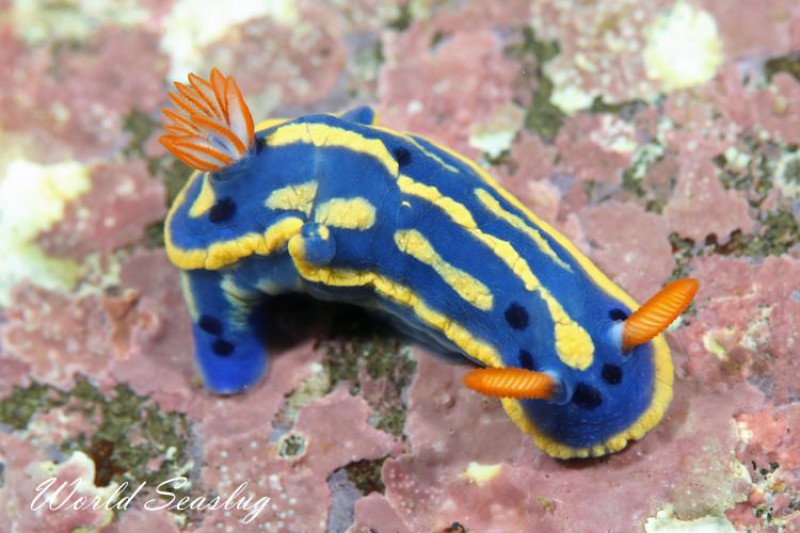
Japan is one of the world's most densely cataloged regions for nudibranch diving. Across its ~3,000 km from north to south, this site catalogs 2,179 sea slug species (nudibranchs and their relatives) — from cold-water specialists under Hokkaido's drift ice to subtropical reef nudibranchs in Okinawa. Cold, temperate, subtropical, and tropical faunas blend along a north-to-south gradient, and depending on the region, you can find active diving at almost any time of year.
The country's taxonomic legacy is exceptional: Dr. Kikutaro Baba conducted pre-war monographic field work across multiple regions including Sagami Bay, Kii Peninsula, Amakusa, Akkeshi (Hokkaido), and Toyama, and Japanese sea slug taxonomy has remained world-class ever since.
This guide groups Japan's dive destinations into 8 regions, with characteristics, seasonality, signature species, and local operator information for each — built for international divers planning a Japan trip.
Year-round diving — when to come
Japan offers diving year-round if you choose the right region.
Reduced window: Right after autumn typhoons, conditions can stay rough for a few days to two weeks. Autumn overall tends to be the slowest. Check conditions before booking.
Monthly observation distributions per area are available on each area page.
Regional Diving Guide — 8 Regions
Each region links to per-area pages with observation data, popular species, sponsor dive operators, water temperature, suits, and access info.
Quick comparison
| Region | Main sites | Peak | Notes |
|---|---|---|---|
| Hokkaido | Shakotan, Rausu, Hakodate | Mar–May + drift ice (late Jan–early Mar) | Japan's only drift-ice diving |
| Hokuriku | Echizen, Etchu-Miyazaki, Oyashirazu | Mar–May | Sea of Japan coast, cold-water specialists |
| Izu Peninsula & Sagami Bay | Osezaki, Jogashima, Tago, Usami, Kumomi | Nov–Jul | Hub for Tokyo-based divers, highest species/observation counts |
| Izu & Ogasawara Islands | Hachijojima, Izu Oshima, Ogasawara, Miyakejima | Mar–Nov | Kuroshio-struck oceanic islands, southern fauna |
| Kii Peninsula | Nanki Kushimoto, Shirahama, Minabe | Nov–Jun | Honshu's largest table-coral reef + high diversity |
| Shikoku (Kochi) | Kannoura, Muroto, Kashiwajima, Kashinishi | Mar–May | Kuroshio-influenced eastern and southwestern tips |
| Kyushu & Amami | Amami Oshima, Amakusa, Tokunoshima | Jan–May | Bridge zone between Honshu and Okinawa |
| Okinawa & Ryukyu | Okinawa Main Island, Miyako, Yaeyama | Dec–Aug | Subtropical reefs, largest share on this site |
1. Hokkaido
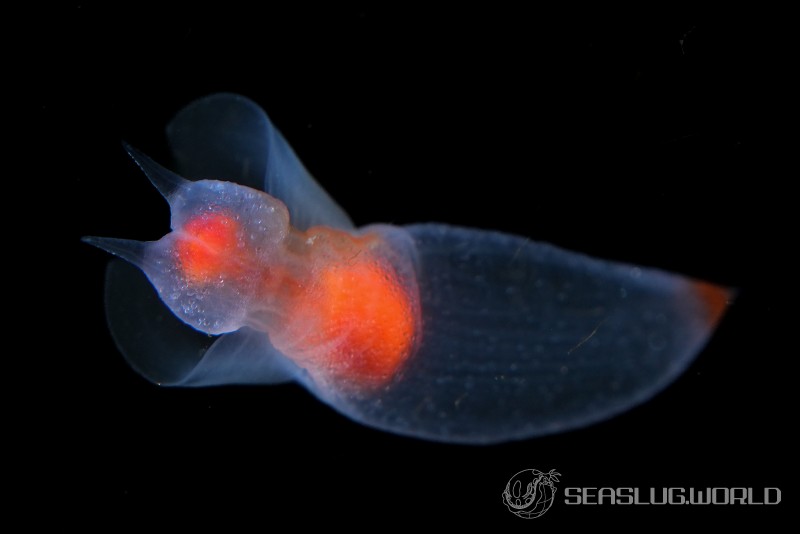
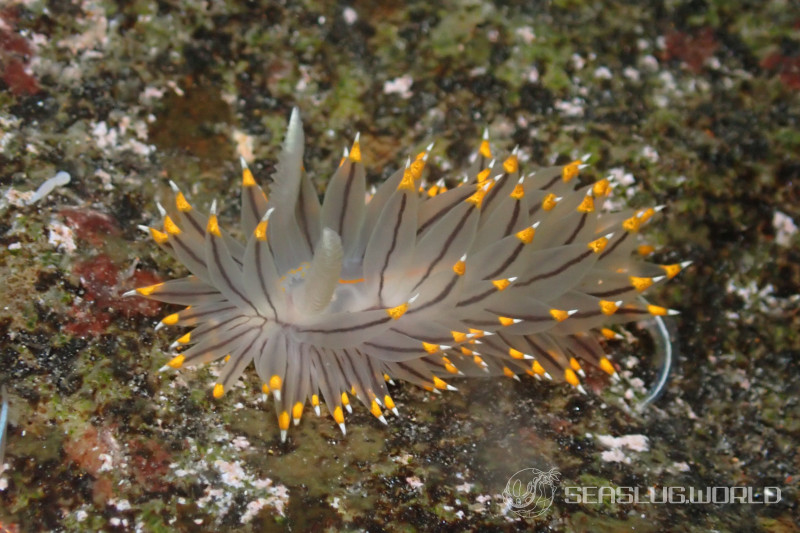
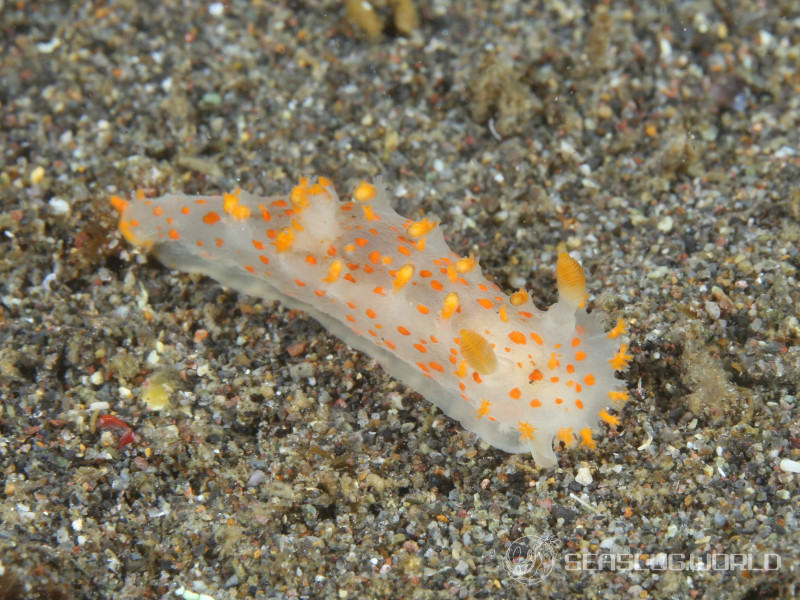
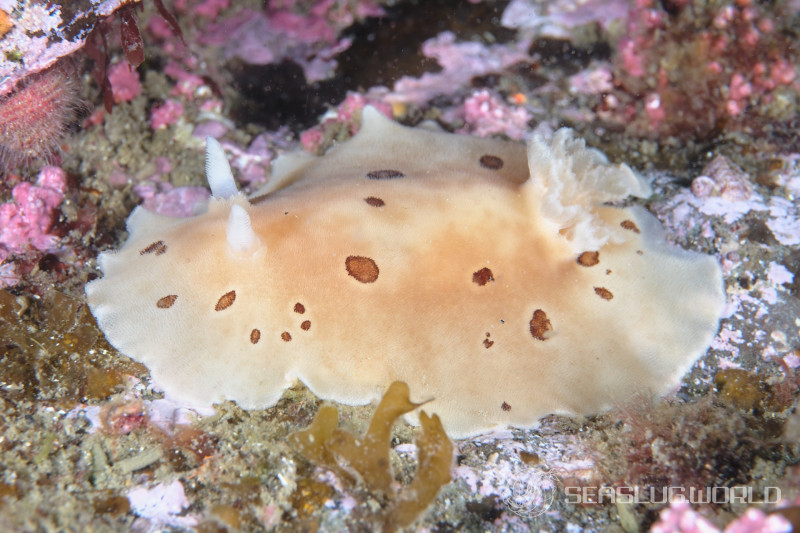
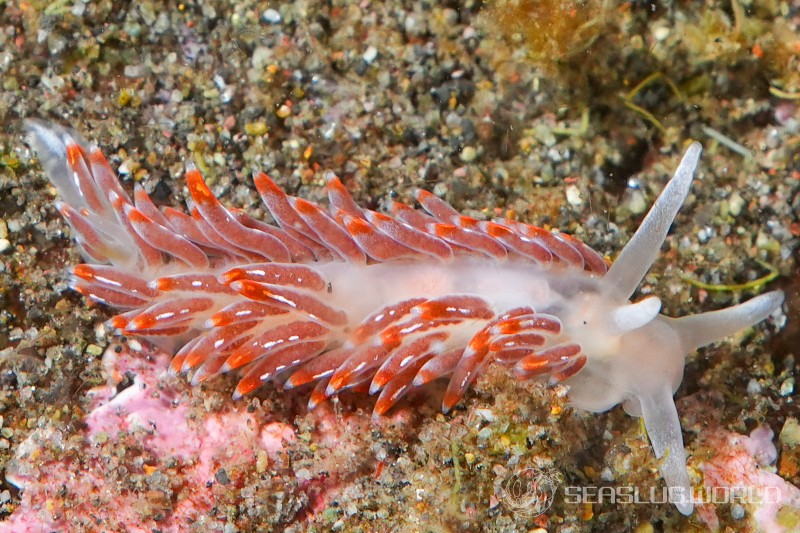
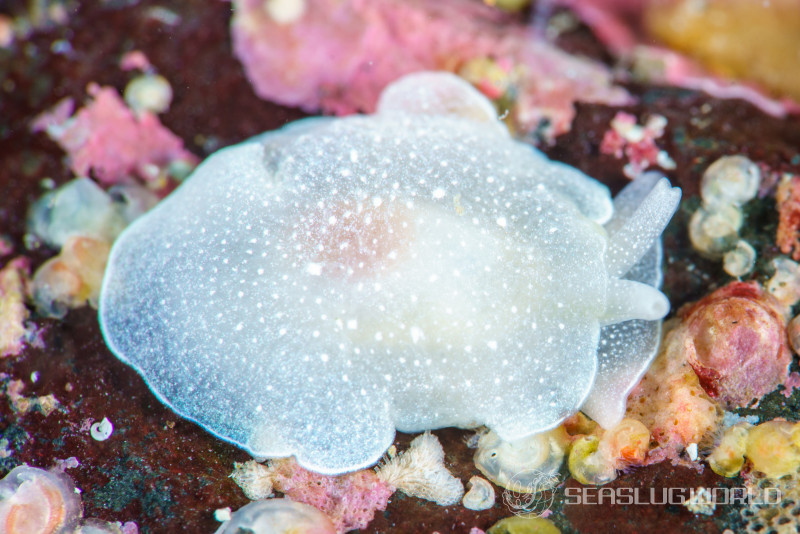
Cold-water endemics and Japan's only drift-ice diving (late January–early March, Shiretoko). Drift-ice diving requires a drysuit and a specialist operator — book ahead via the Hokkaido area page.
- Shakotan 93 species
- Rausu 25 species (Shiretoko)
- Hakodate-Usujiri 12 species
Peak: March–May.
For water temperature, suit, and access details, see the Hokkaido area page.
2. Hokuriku — Fukui, Toyama, Ishikawa, Niigata
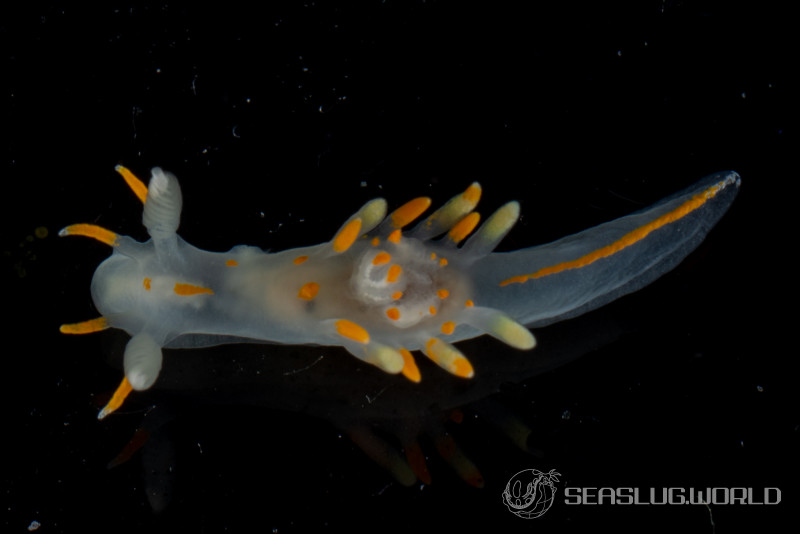
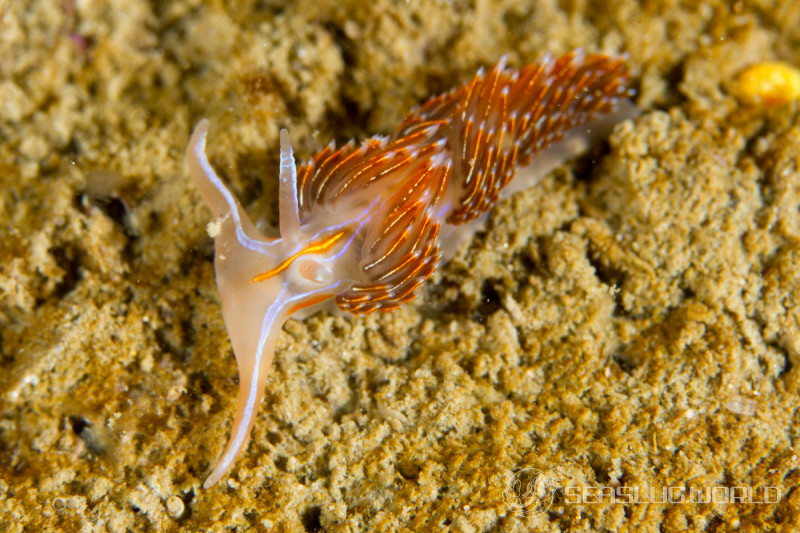
Sea of Japan coast, home to cold-water specialists and Japan-endemic species. Many sites close in winter due to rough conditions — not divable year-round.
- Echizen 198 species (Fukui)
- Etchu-Miyazaki 77 species (Toyama)
- Oyashirazu 60 species (Niigata)
Peak: March–May.
For water temperature, suit, and access details, see the per-prefecture area pages (Fukui / Toyama / Ishikawa / Niigata).
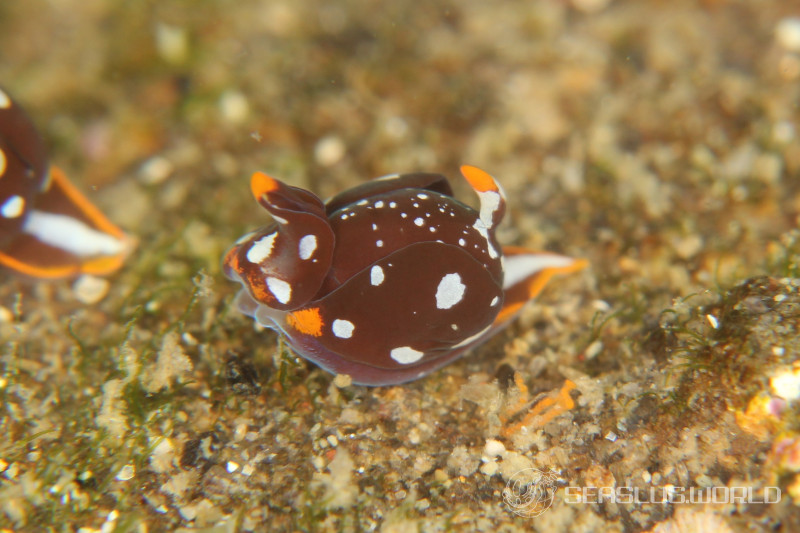
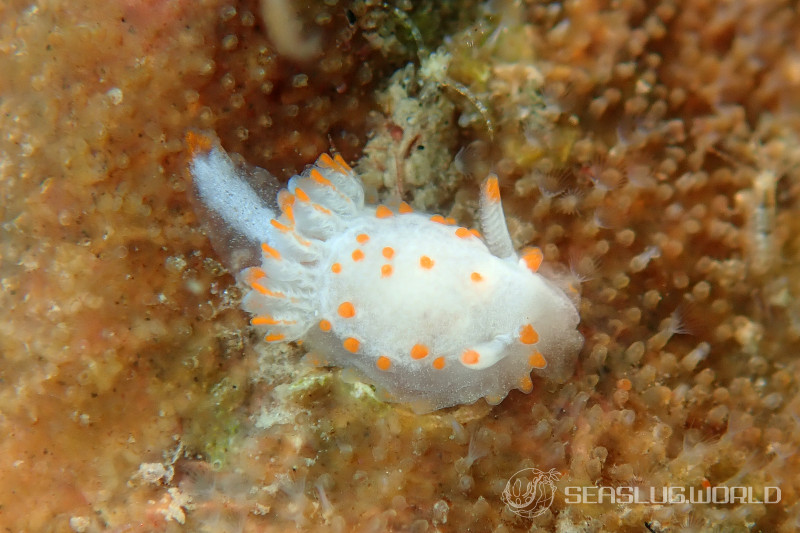
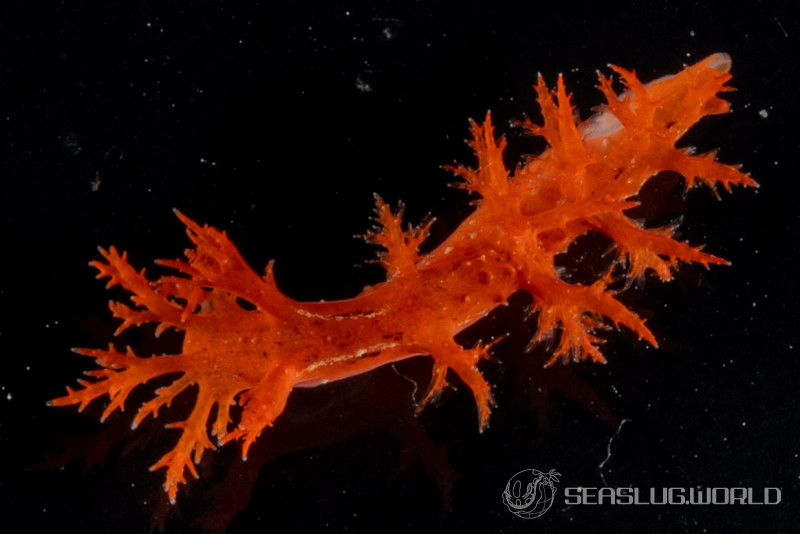
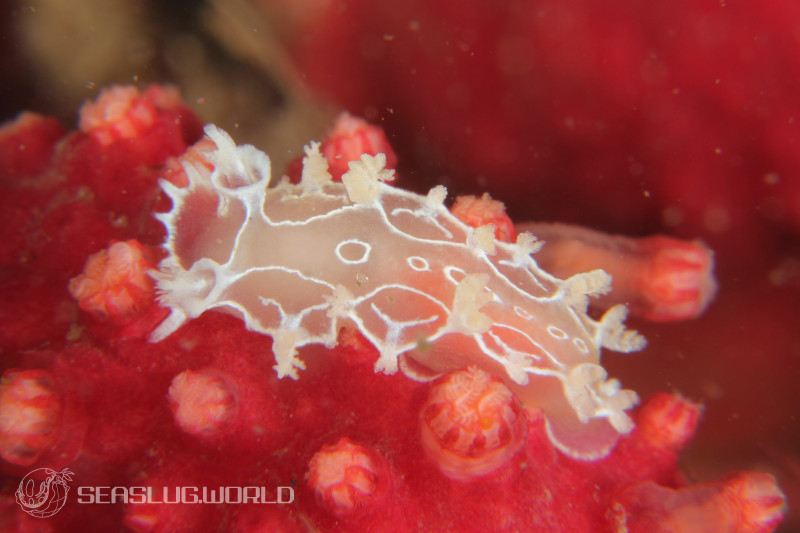
3. Central Honshu — Izu Peninsula & Sagami Bay
The hub for Tokyo-based divers. Excellent access, and among the highest species and observation counts in Japan.
- Osezaki 657 species (Western Izu)
- Jogashima 507 species (Sagami Bay)
- Tago / Ukishima / Dogashima 490 species (Western Izu)
- Usami 467 species (Eastern Izu)
- Kumomi 456 species (Western Izu)
Peak: November–July.
For water temperature, suit, and access details, see the Shizuoka / Kanagawa area pages.
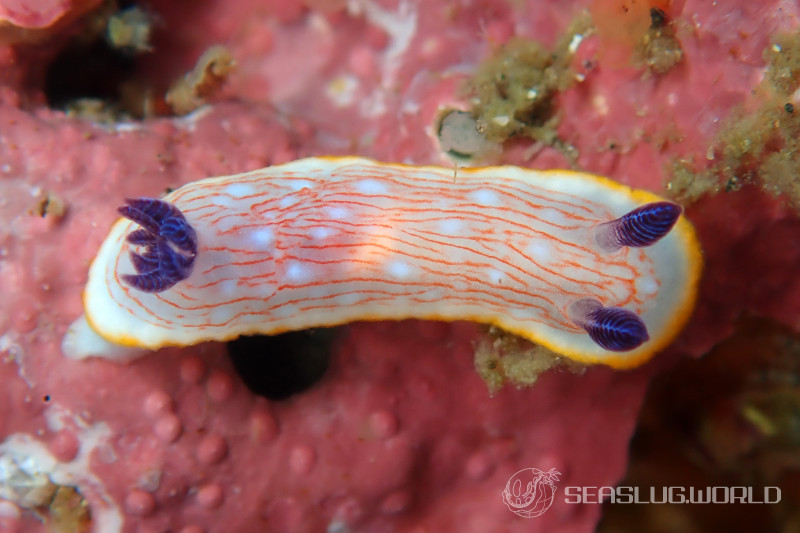
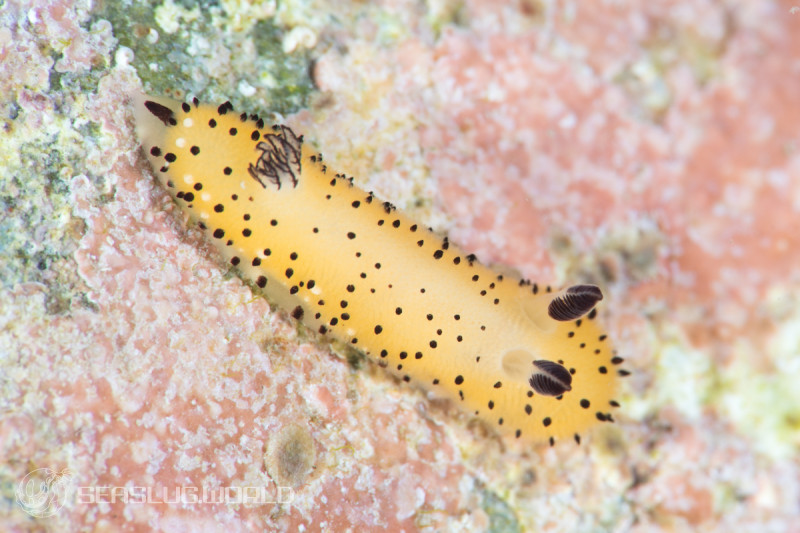
4. Izu & Ogasawara Islands
Volcanic islands in the open Pacific, struck directly by the Kuroshio. Oceanic-island fauna shaped by warm-current isolation. Ogasawara is a UNESCO World Natural Heritage Site.
- Hachijojima 637 species
- Izu Oshima 272 species
- Ogasawara 243 species
- Miyakejima 188 species
Peak: March–November (divable year-round).
For water temperature, suit, and access details, see the per-area pages (Hachijojima / Izu Oshima / Ogasawara / Miyakejima).
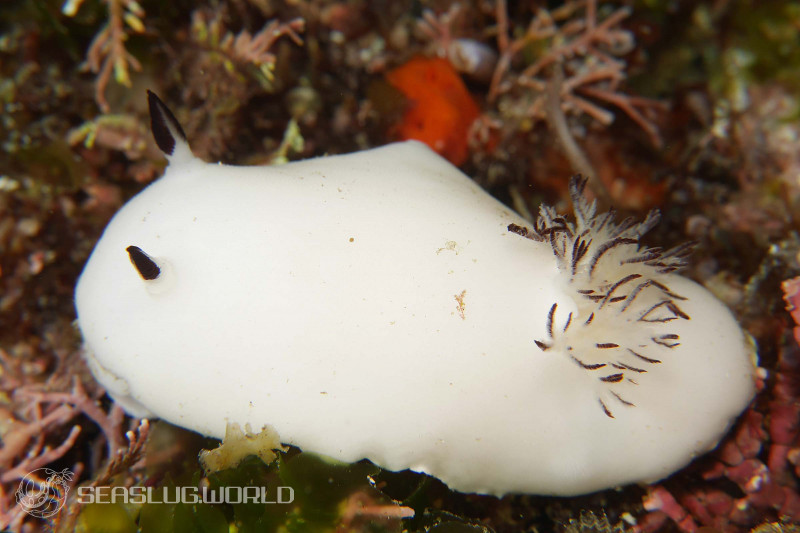
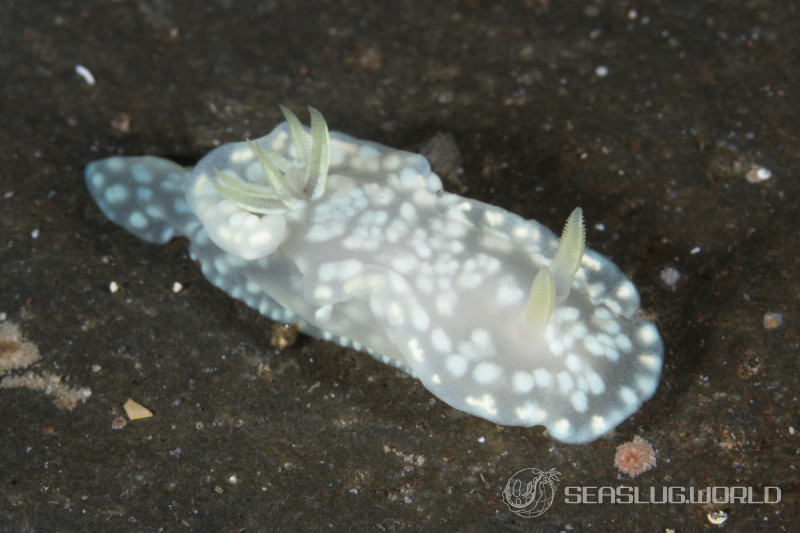

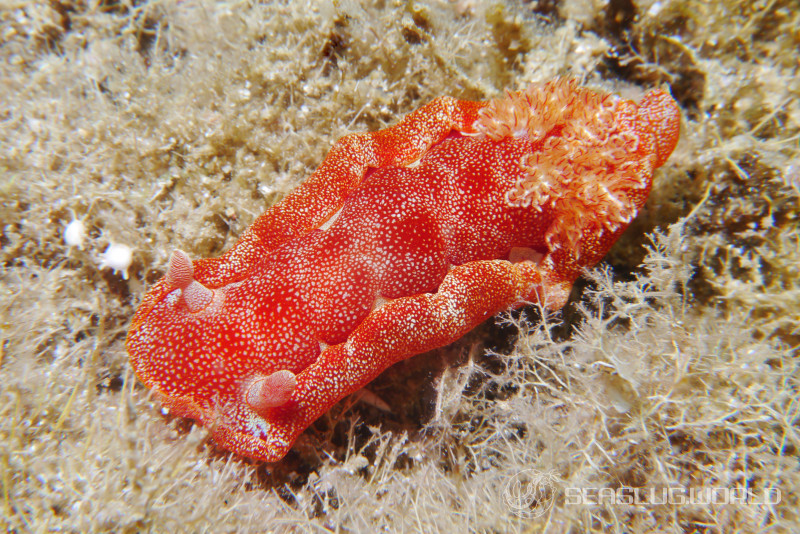
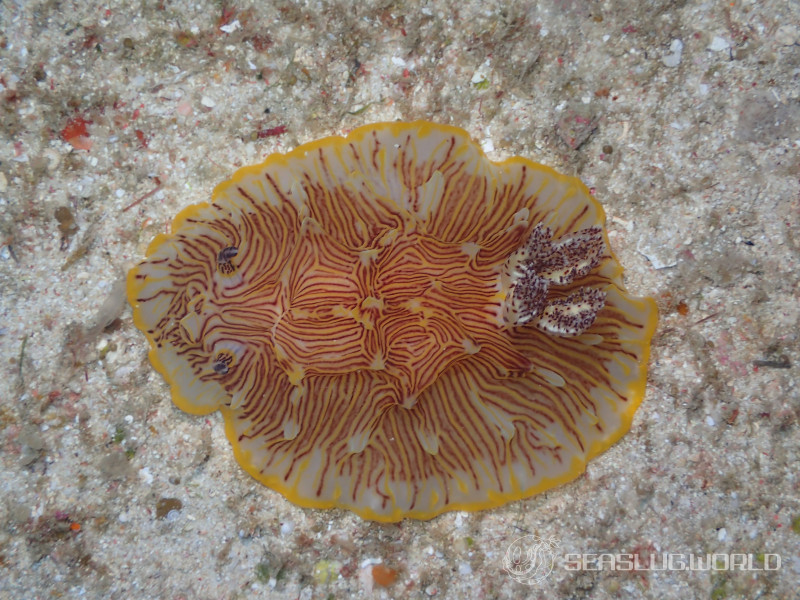
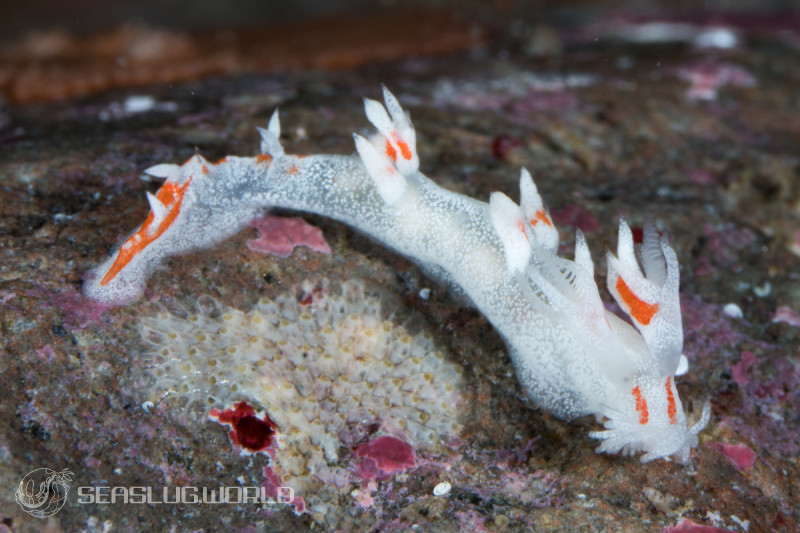
5. Kii Peninsula — Kushimoto
The southernmost reach of Honshu in the Kansai region, under direct Kuroshio influence year-round. Combines Honshu's largest table-coral reef with high sea slug diversity.
- Nanki Kushimoto 438 species
- Shirahama 123 species
- Minabe 107 species
- Koza 83 species
Peak: November–June.
For water temperature, suit, and access details, see the Wakayama area page.
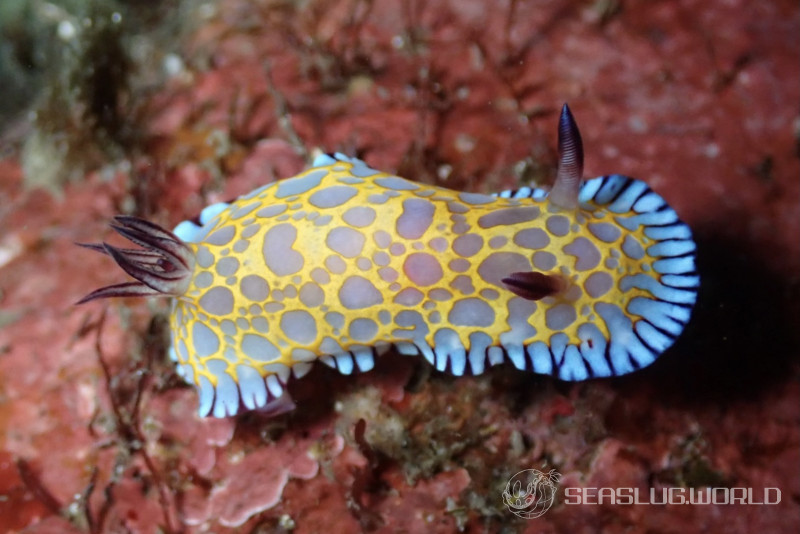
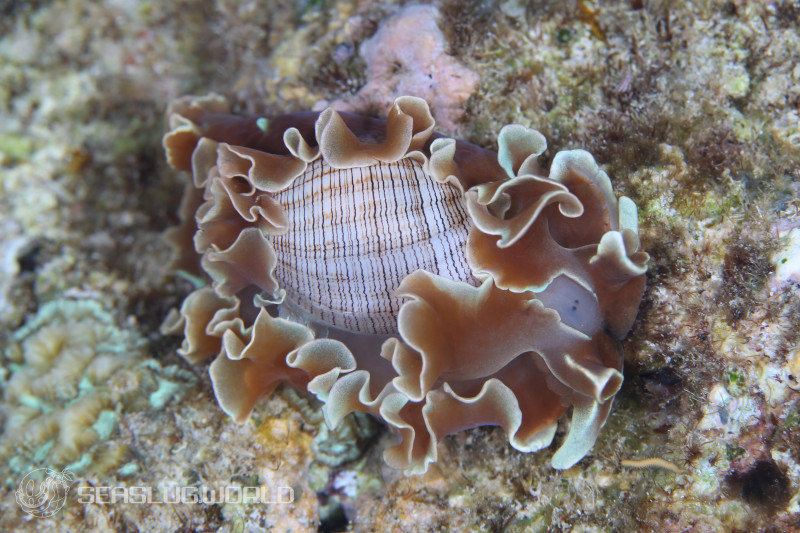
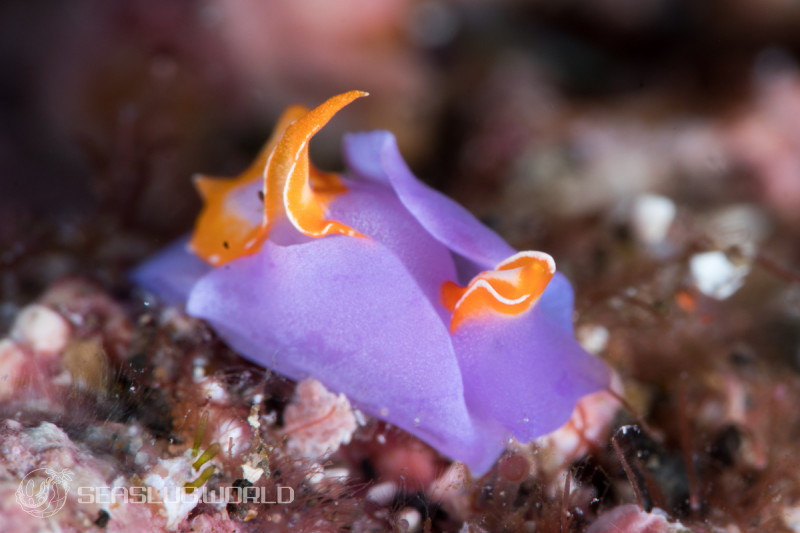
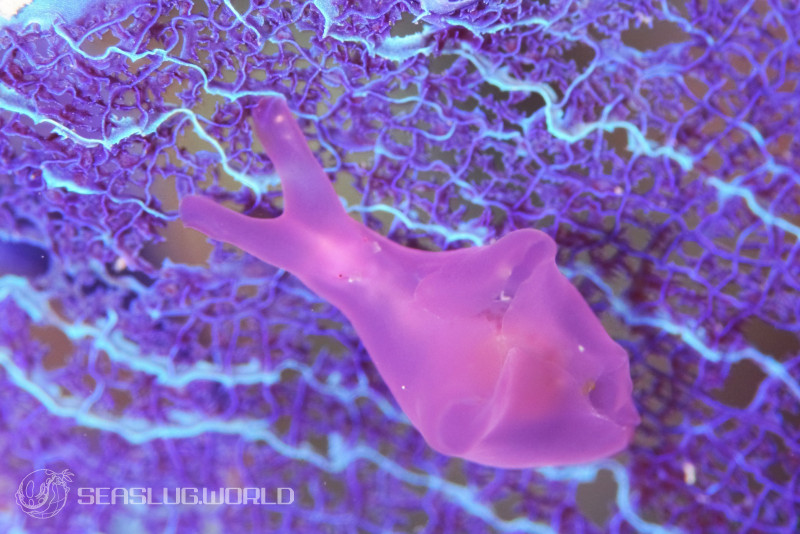
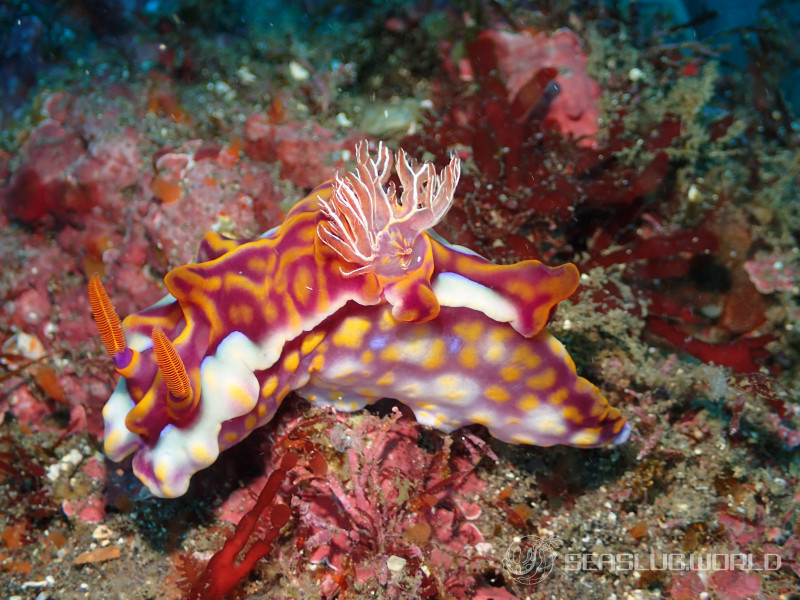
6. Shikoku — Kochi
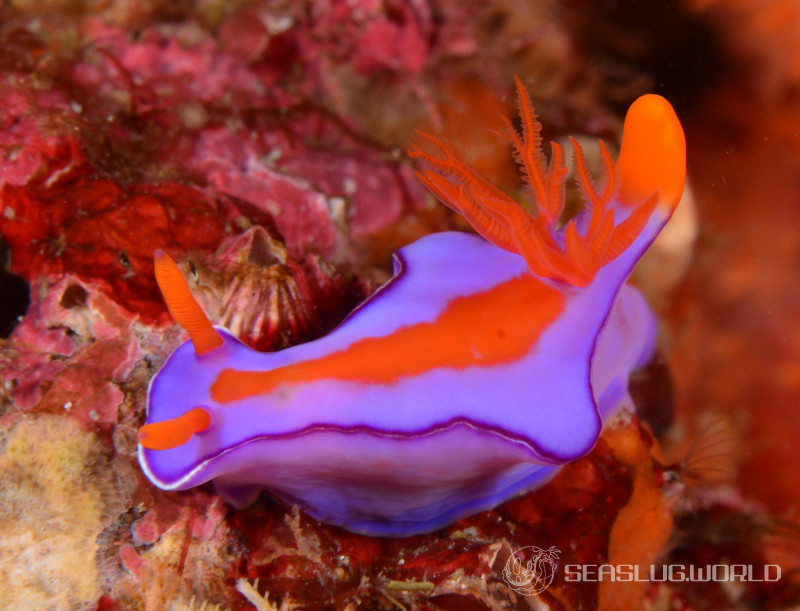
Kuroshio-influenced waters with southern species rarely seen on mainland Honshu.
- Kannoura 316 species (eastern Kochi)
- Muroto 179 species
- Kashiwajima 95 species (southwest tip of Kochi)
- Kashinishi 86 species
Peak: March–May.
For water temperature, suit, and access details, see the Kochi area page.
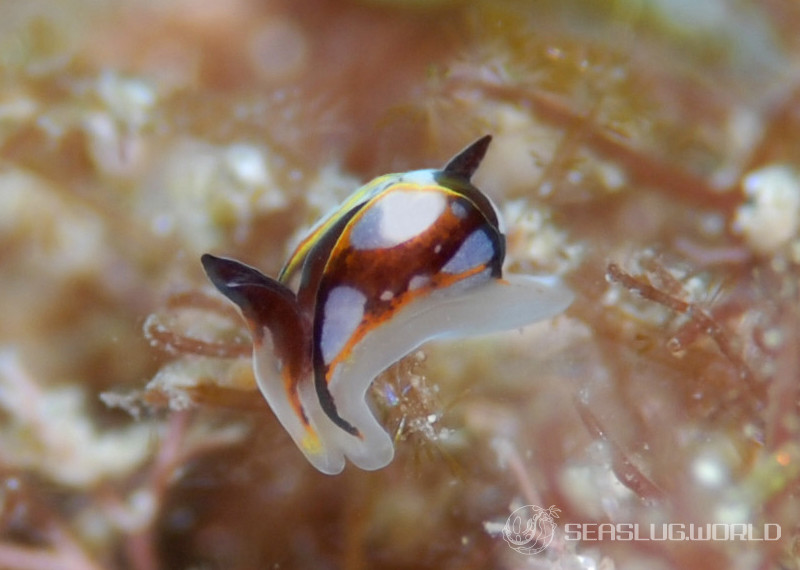
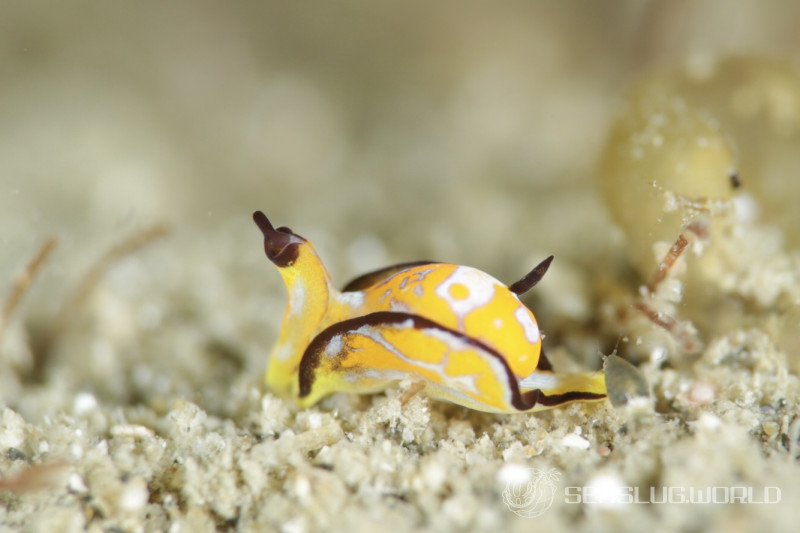
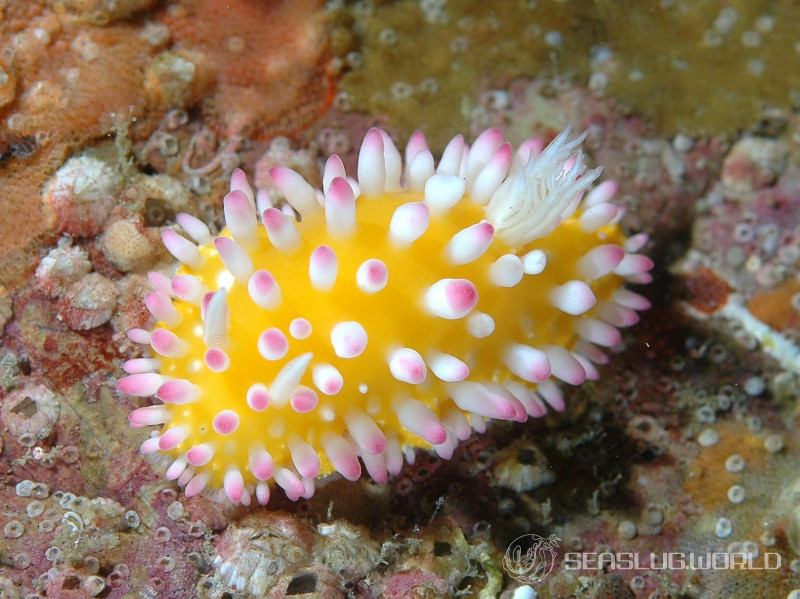
7. Kyushu — Amakusa & Amami
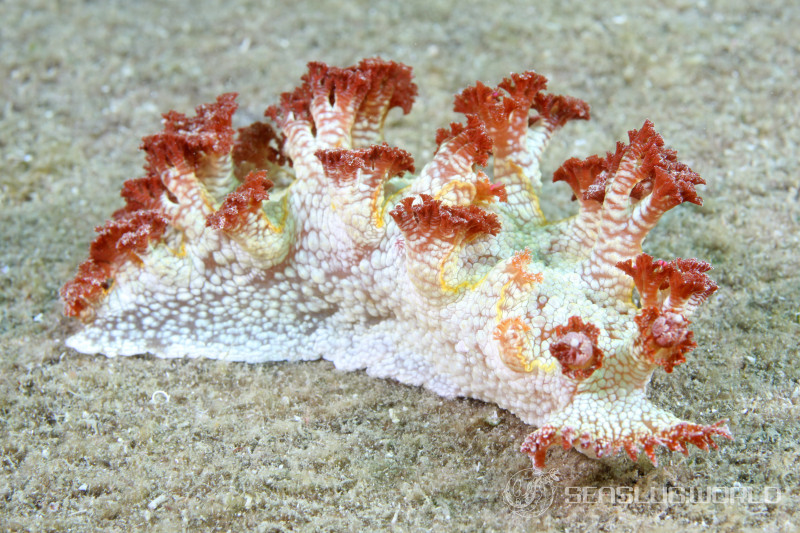
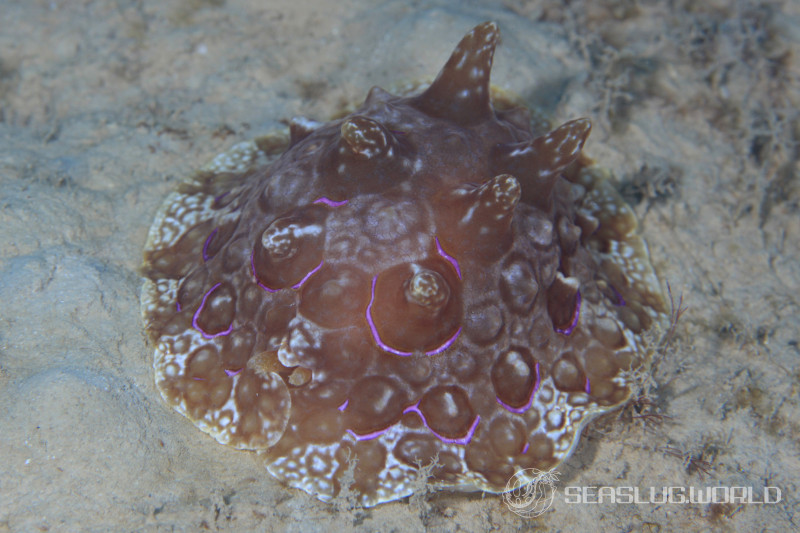
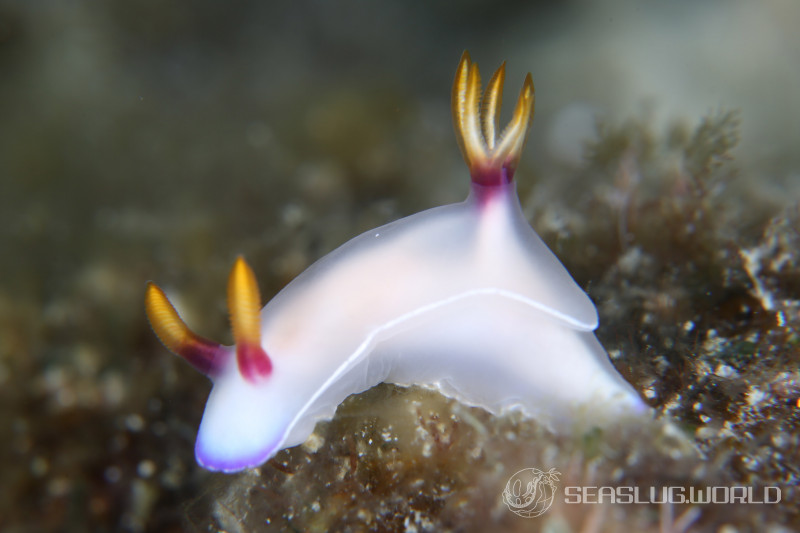
A bridge between Honshu and Okinawa. Both northern-limit and southern-limit species can be observed.
- Amami Oshima 534 species (Kagoshima) — mix of mainland-temperate and subtropical species
- Amakusa 469 species (Kumamoto) — inner-bay sandy-bottom sea slug fauna
- Tokunoshima 377 species (Kagoshima)
- Yakushima 187 species (Kagoshima)
Peak: January–May.
For water temperature, suit, and access details, see the per-area pages (Amakusa / Amami Oshima / Kagoshima).
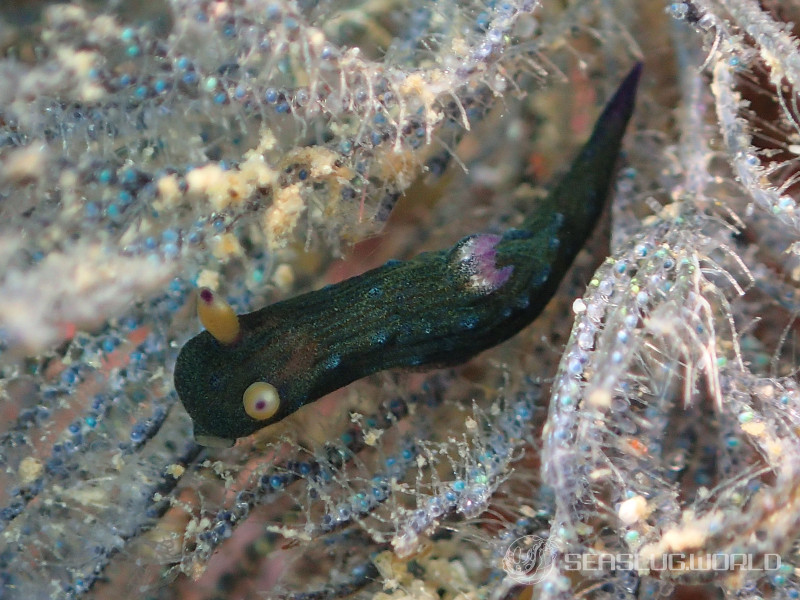
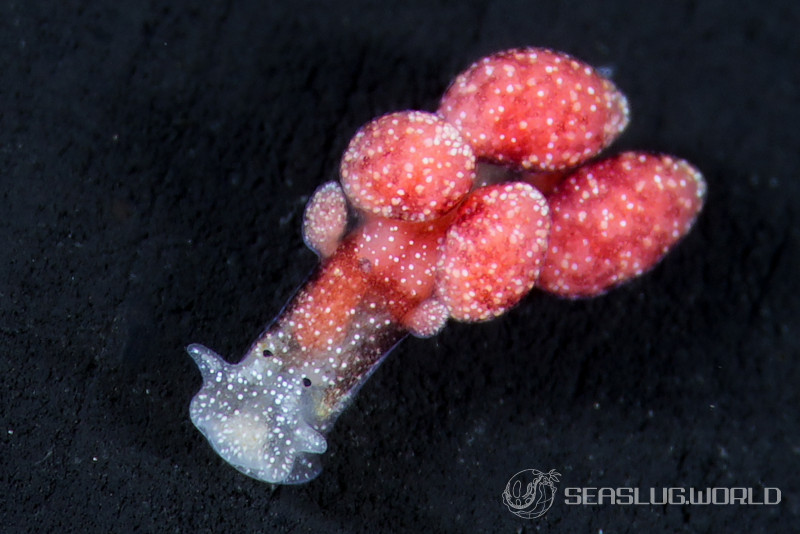
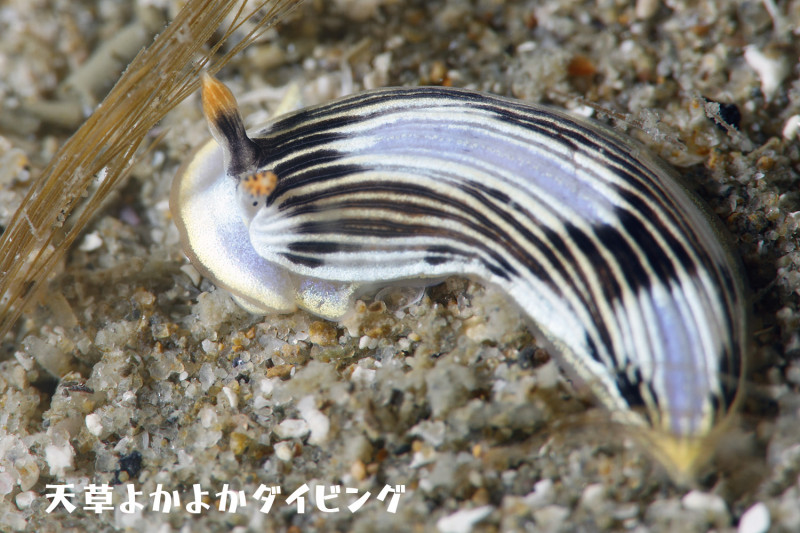
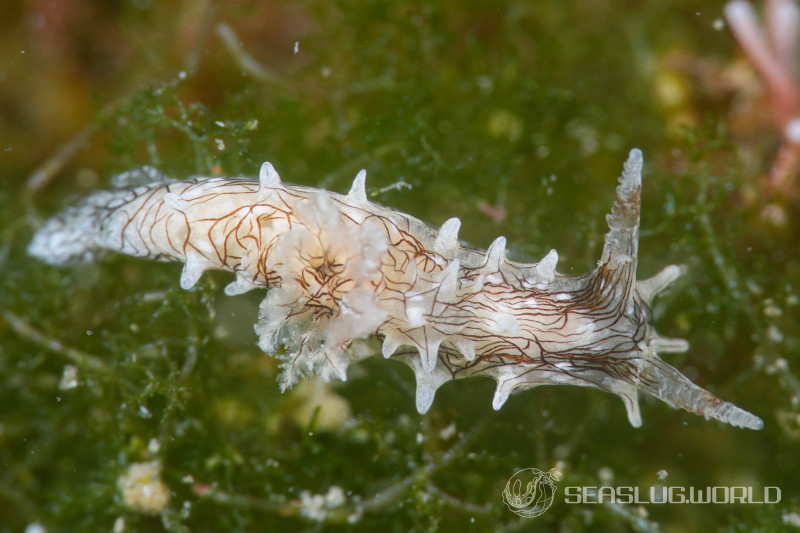
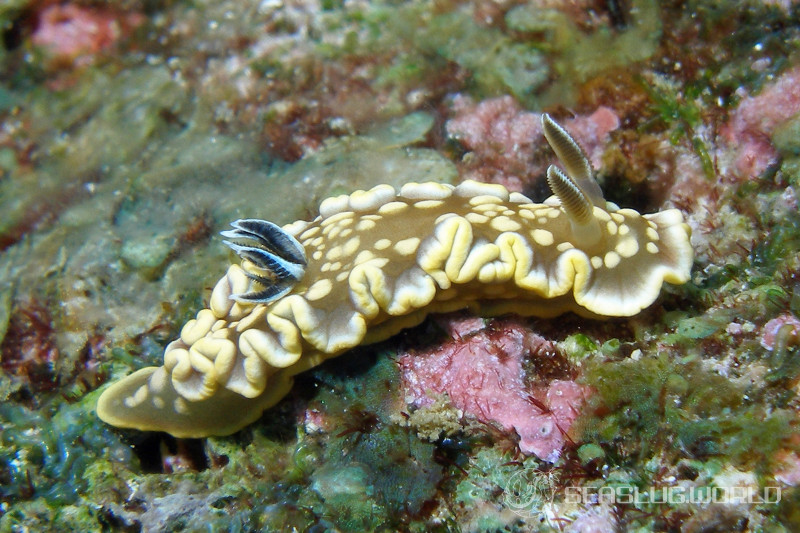

8. Okinawa & Ryukyu Archipelago
Subtropical reefs, divable year-round. Indo-Pacific species dominate. Okinawa Prefecture totals 1,108 species — the largest single-region share on this site.
- Okinawa Main Island (Motobu / North) 548 species
- Okinawa Main Island (Onna / Yomitan) 520 species
- Okinawa Main Island (Chatan / South) 440 species
- Okinawa Main Island (East Coast) 410 species
- Miyakojima 598 species
- Ishigaki & Yaeyama 515 species
- Kerama Islands / Zamami 200 species
Peak: December–August (divable year-round; activity strongest winter through early summer).
For water temperature, suit, and access details, see the Okinawa area page.
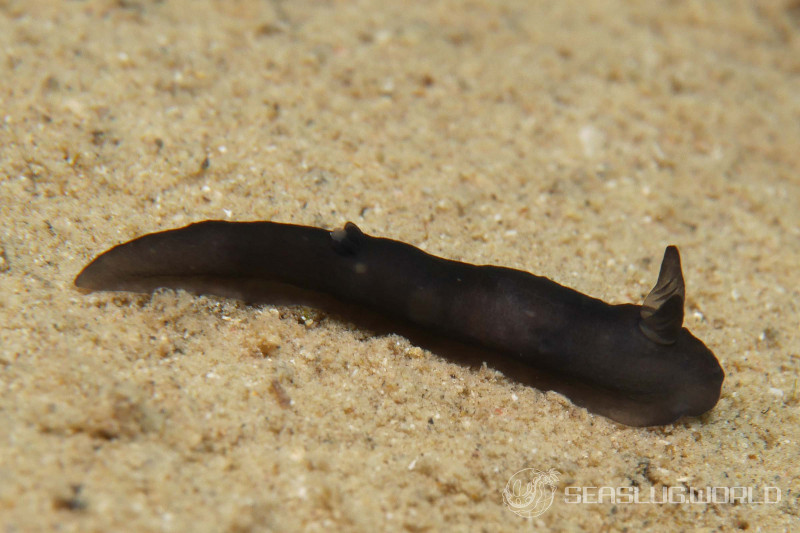
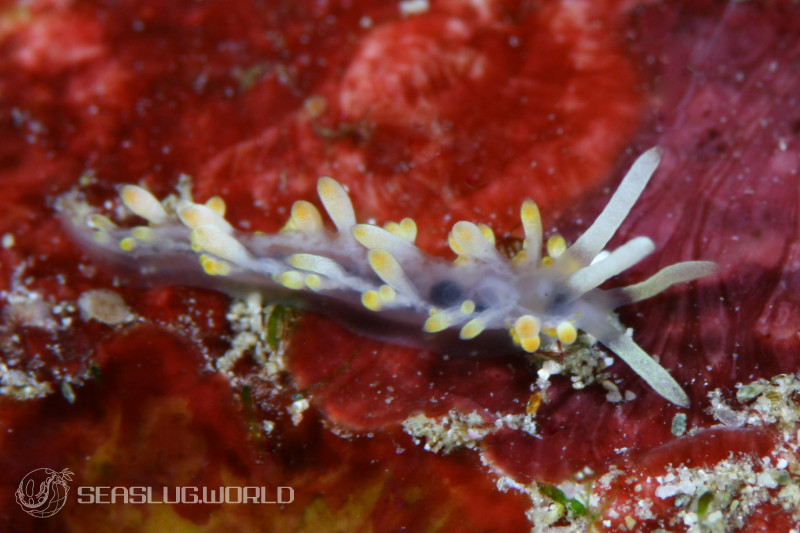
Use seaslug.world to plan your dive trip
- Reverse lookup by species: If you have a target species, search our species pages and use observation records to find regions where it has been recorded
- Forward search by region: Each area page shows top species, seasonal distribution, water temperature, suit guidance, access info, and sponsor dive shops (including English-friendly operators)
- Submit your own observations: Photographers visiting from outside Japan are welcome to register sightings (English submissions accepted)