Jorunna parva (Baba, 1938)
Description
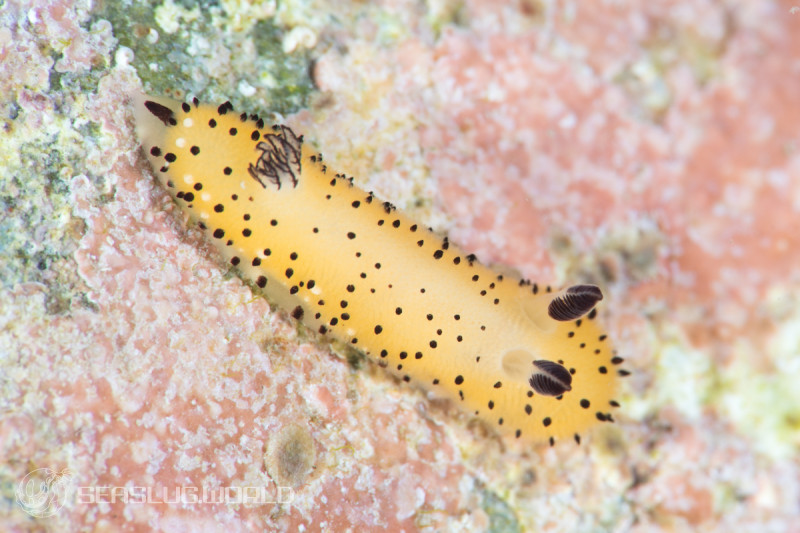
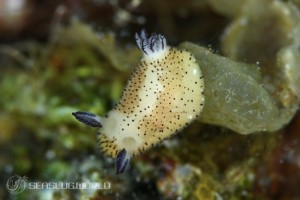
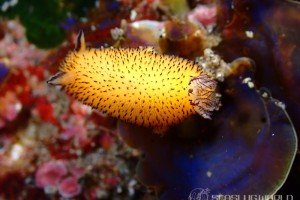
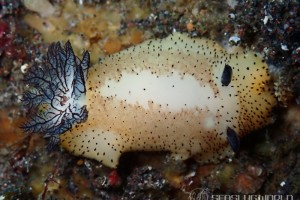
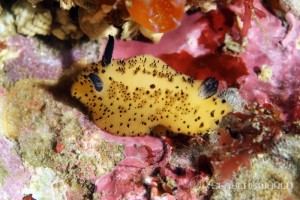
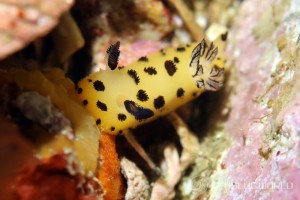
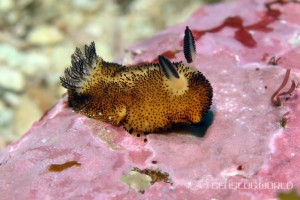
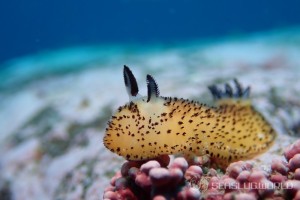
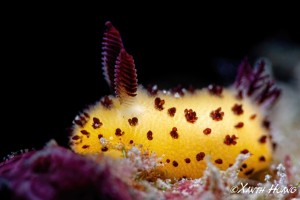
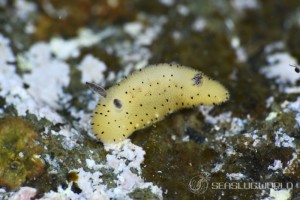
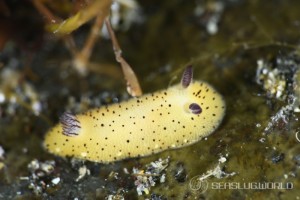
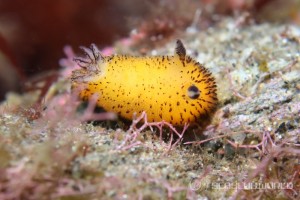
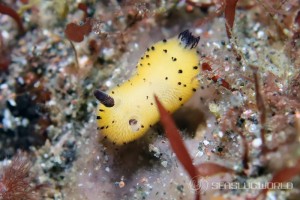
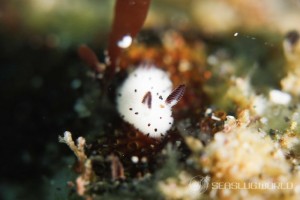
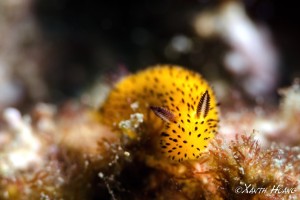
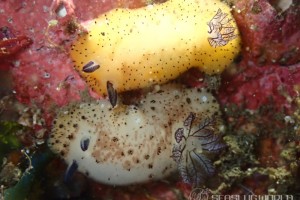
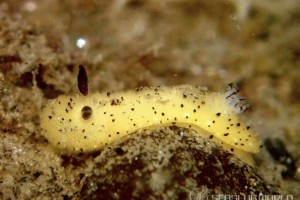
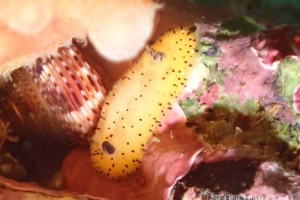
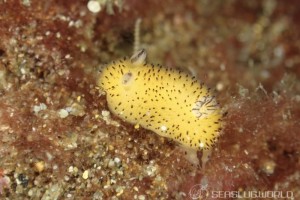
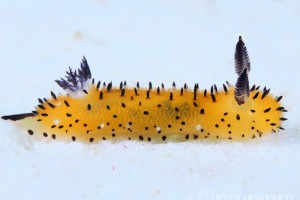
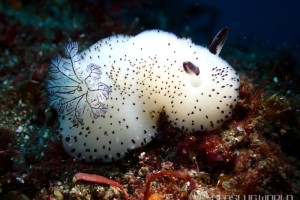
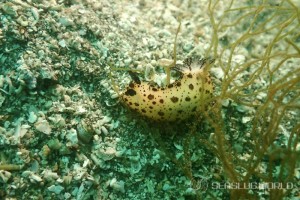
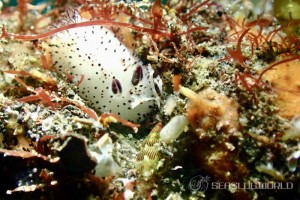
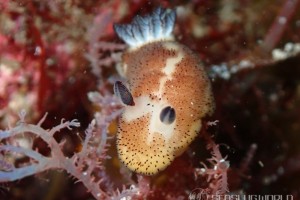
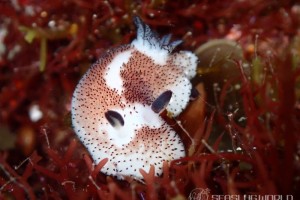
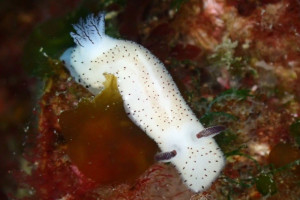
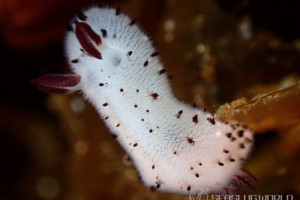
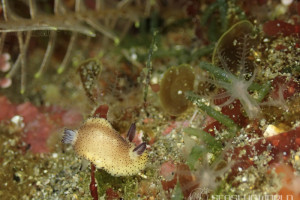
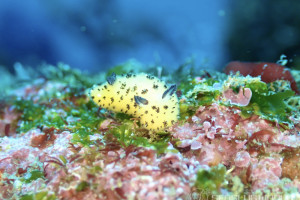
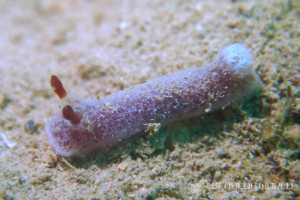
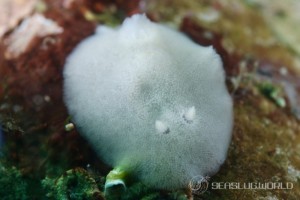
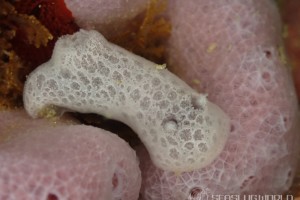
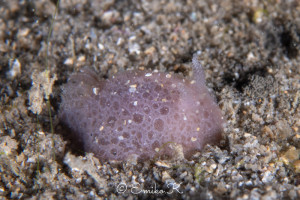
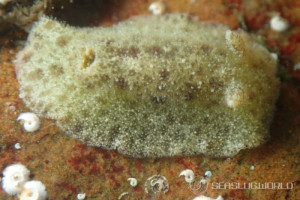
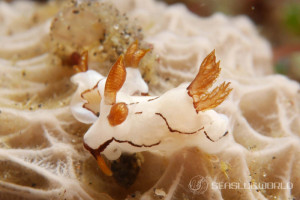
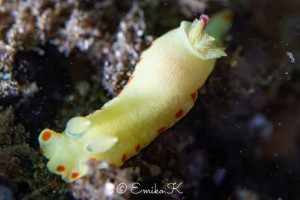
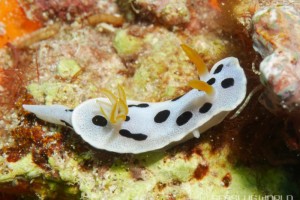
A small Jorunna, 6 mm in length. The body is elongate-elliptical and depressed, with the sides nearly parallel and the ends equally rounded. The back is everywhere covered with small, closely-set hispid papillae strengthened by divergent spicules. The margin of the rhinophore sheath bears the same kind of papillae as the general dorsum. The branchial plumes are about 11, simply pinnate, completely retractile into a cavity, the margin of which is similar to that of the rhinophore sheath. The oral tentacles are digitiform. The anterior end of the foot is deeply bilabiate, with the upper lip notched at the midline.The general body colour is greyish yellow; black stains occur here and there on the dorsal papillae and the foot brim. The rhinophore clavi and gill veins are black.
Distribution
Type locality: Seto, Kii.Etymology
The specific epithet parva is the Latin feminine of parvus ("small"), referring to the small body size of the holotype (6 mm long).Remarks
Originally placed in Thordisa; later transferred to Jorunna. The species feeds on sponges (mainly Chalinidae), sequestering their toxins for defence. It became internationally famous in 2015 on social media as the "sea bunny".References
- Thordisa parva, Baba K. (1938). Opisthobranchia Of Kii, Middle Japan. Journal of the Faculty of Agriculture, Kyushu University. 6(1): 1-19. https://doi.org/10.5109/22587
- ゴマフビロウドウミウシ(新稱), Baba K. (1949). Opisthobranchia of Sagami Bay collected by His Majesty the Emperor of Japan (相模湾産後鰓類図譜). Iwanami Shoten, Tokyo. 4+2+194+7 pp., pls. 1-50.
- ゴマフビロウドウミウシ, 小野篤司. (1999). ウミウシガイドブック. TBSブリタニカ.
- ゴマフビロードウミウシ, 鈴木敬宇. (2000). ウミウシガイドブック〈2〉. TBSブリタニカ.
- 高岡生物研究会. (2002). 日本海のウミウシ. 第2版.
- ゴマフビロードウミウシ, 中野理枝. (2004). 本州のウミウシ. ラトルズ.
- ゴマフビロードウミウシ, 小野篤司. (2004). 沖縄のウミウシ. ラトルズ.
- Camacho-Garcia Y.E. & Gosliner T.M. (2008). Systematic revision of Jorunna Bergh, 1876 (Nudibranchia: Discodorididae) with a morphological phylogenetic analysis. Journal of Molluscan Studies. 74(2): 143-181. https://doi.org/10.1093/mollus/eyn002
- Jorunna parva, Terrence Gosliner, Ángel Valdés and David Behrens. (2015). Nudibranch and Sea Slug Identification Indo-Pacific. New World Pubns Inc.
Featured in this book
Terrence Gosliner, Ángel Valdés and David Behrens. (2018). Nudibranch and Sea Slug Identification Indo-Pacific 2nd Edition. New World Pubns Inc.
New World Publications
This species, Jorunna parva, is included in the book.
View on Amazon PR (Amazon Associates)Seasonality
Shooting Locations
Loading shooting locations...
Photos of Jorunna parva
Tag:















Same Genus Nudibranchs
Similar Colors Nudibranchs

Academic Database
Sea slug observation data is available in international marine biodiversity databases.