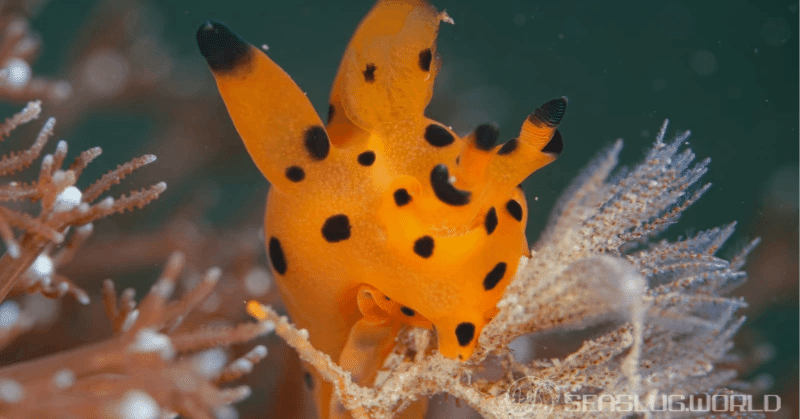
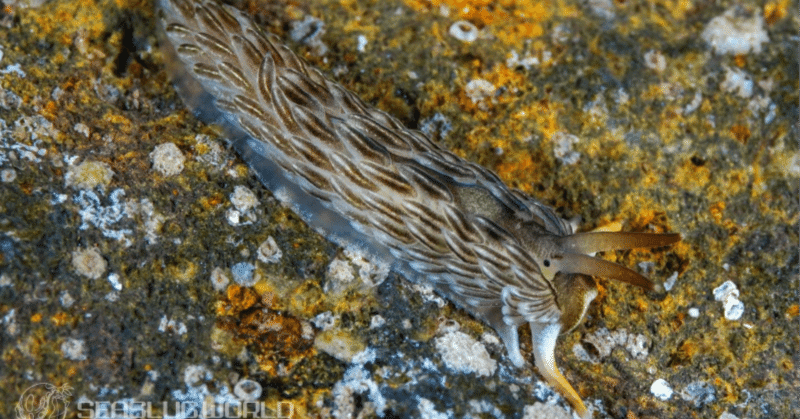
Part of Thordisa moves to a new genus Avaldesia — and good luck telling them apart in photos
A paper out now: Thordisa albomacula and Thordisa tahala are not in Thordisa — they are in a newly erected genus, Avaldesia. On DNA they sit a long way from Thordisa.
https://academic.oup.com/mollus/article-abstract/90/1/eyad027/7603423
What is Avaldesia?
Distinguishing features include a radula in which the number of denticles increases on the outermost laterals as they become fimbriate; lobed vestibular glands; occasionally hollow vestibular spines; and reproductive organs with a penis armed with one or more penial spines.
Adult body length 7–45 mm. Body outline oval. Body colour pale yellow, yellow-orange, pale red, deep red, red-purple, red-brown, brown, dark brown, grey, or dark grey. Dorsum with filamentous or conical brown to pale-brown papillae; short brown or white tubercles; occasionally white spots. Dorsal ridge pattern low and irregular, with complexity varying by species. Rhinophores with 9–17 lamellae, with brown to brown pigmentation. Gills with three feathered branches, brown to brown, with six leaves, occasionally with white pigment. Foot broad, anteriorly notched and grooved. Oral tentacles digitiform. Vaginal duct smooth or with denticulate processes. Radula 25–30 × 28–53.0.28–53. Vaginal duct distinct. Radular teeth hamate, especially with 1–8 denticles on the median lateral teeth. Outermost lateral teeth reduced, semi-hamate or hamate. Vestibular glands granular or spiny. When present, armed with a single hollow hook-shaped vestibular spine. Penis armed with one to many straight or hooked penial spines. Vagina unarmed.
The salient point — even if the rest is hard to parse — is that the diagnostic characters are in the radula and the genitalia, and that externally, Avaldesia is essentially indistinguishable from Thordisa.
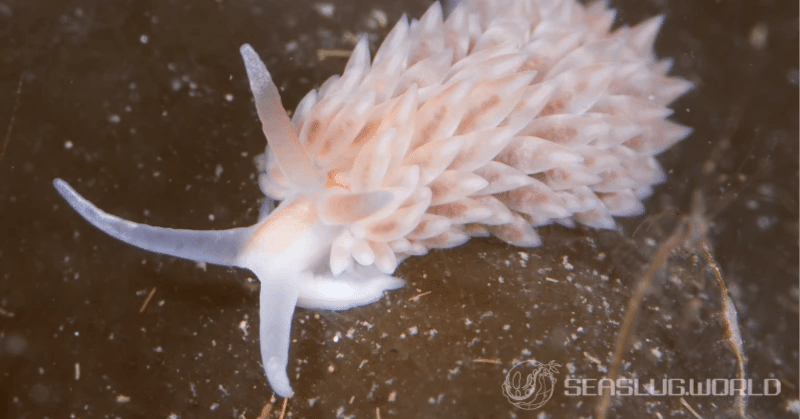
Avaldesia albomacula
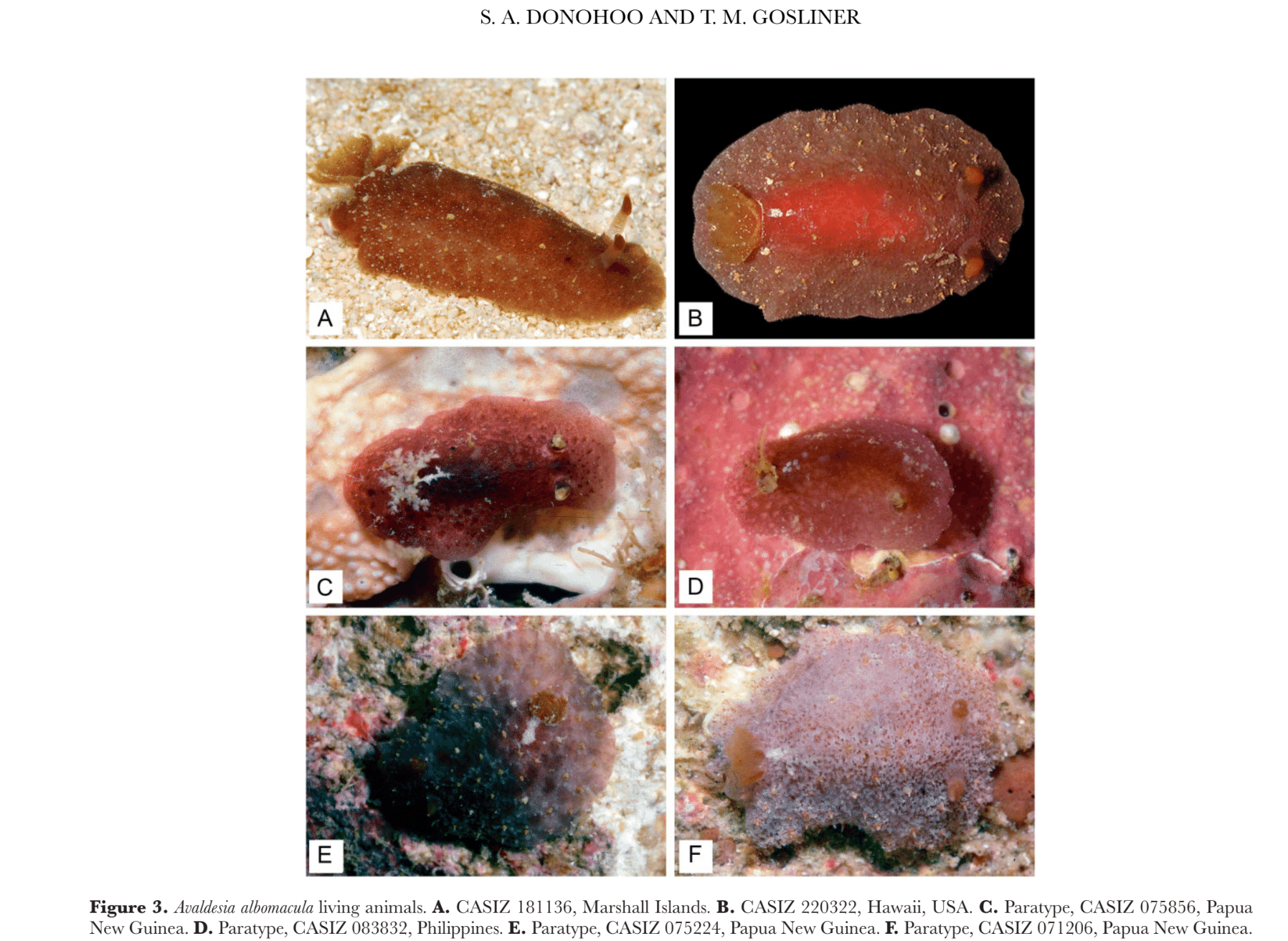
All six of these photos are A. albomacula…
Figure 3: Body oval. Body length 28–42 mm. Background colour of dorsum pale red, red-brown, dark brown, with grey patches. Small to large white patches in front of the gill. Numerous filamentous brown papillae, with occasional white spots scattered across the dorsum. Rhinophores with 12–17 lamellae. Rhinophore stalks paler than the dorsum, with brown to brown lamellae and white tips. Rhinophore sheaths smooth. Gills brown or brown with six branches, with white pigmentation possible on the upper margins. Foot the same colour as the dorsum, anteriorly notched. Oral tentacles digitiform.
It says "rhinophore tips are white", but in honesty even across these six photos you can't really see that consistently. Painful.
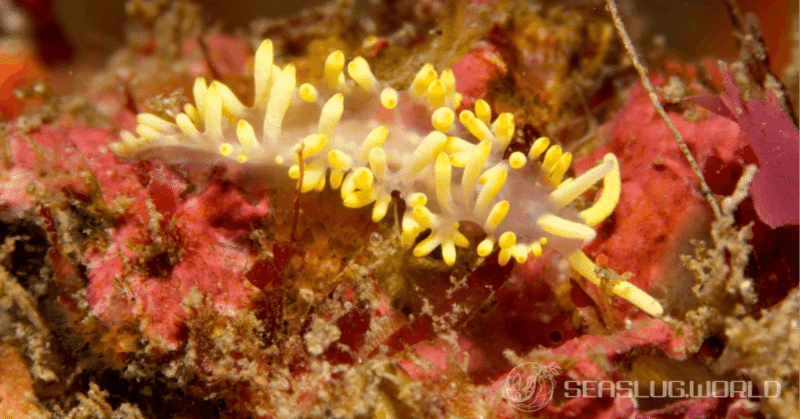
Avaldesia tahala
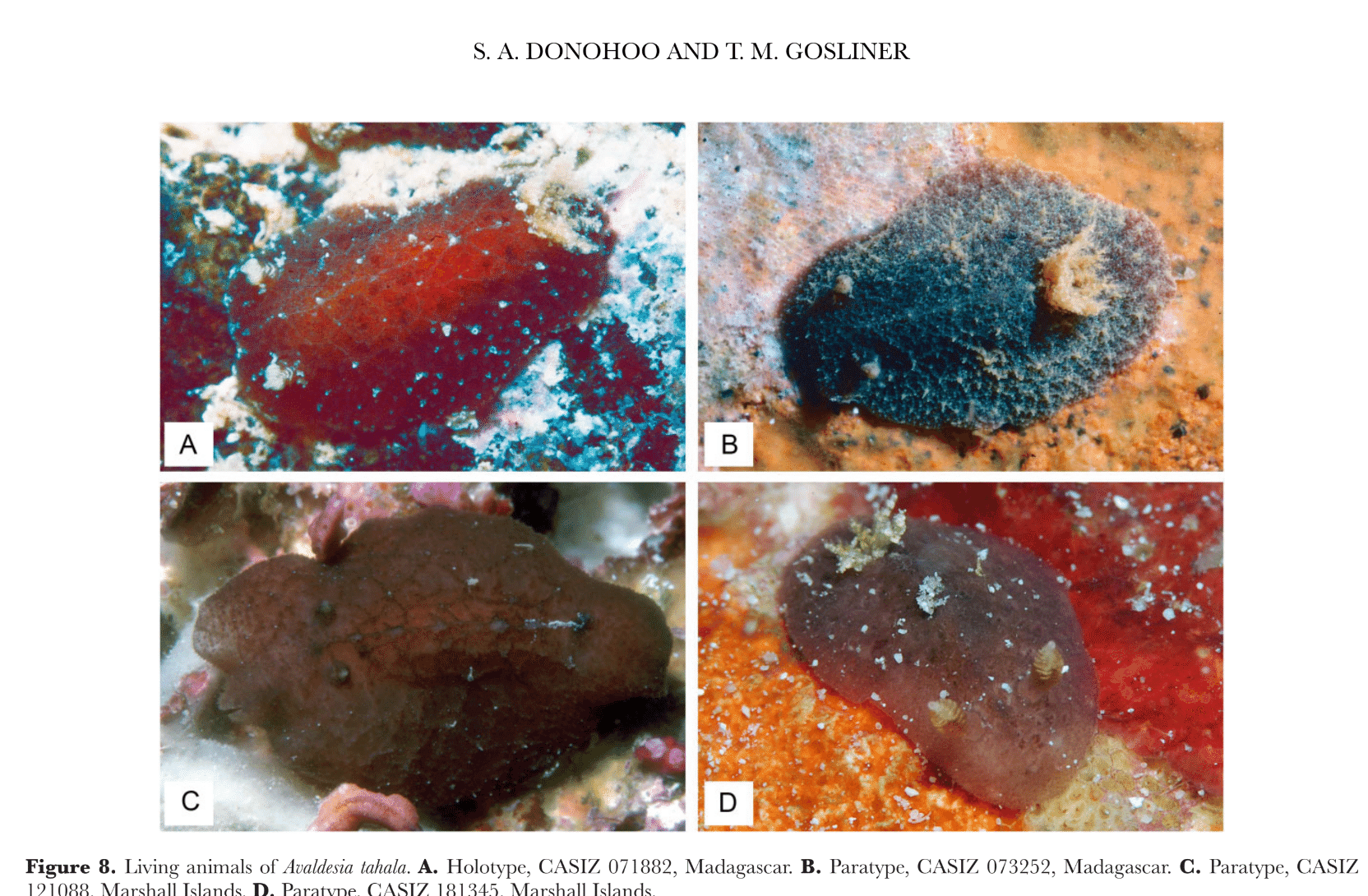
All four are A. tahala.
Figure 8: Body oval. Body length 3–6 mm. Dorsum covered with sand or fine particles, with spiny papillae. Body colour dark grey, brown, red-brown, or deep red. Dorsal ridge pattern low, broad, and irregular. Large conical brown papillae and short brown tubercles concentrated along the dorsal margin. Rhinophores with 9–15 lamellae. Rhinophore stalks the same colour as the dorsum, with lower lamellae brown and upper lamellae brown with white tips. Rhinophore sheaths scallop-shaped. Gills brown or pale brown with six branches, sometimes with white pigment on the upper margins. Foot same colour as dorsum, anteriorly notched. Oral tentacles digitiform.
The rest of this article is for Premium members
To read the rest of this article, a Premium membership (USD 3.00/month) is required.
- Unlimited access to all members-only articles, including new species reports and paper introductions
- No ads (AdSense) across the entire site
- Priority handling of your observations (Premium uploads are identified and published first when the moderation queue is backed up)
- Priority access to the AI identification feature
Already a member? Please log in.
Enjoyed this post? You can tip the author directly —
Tip this post