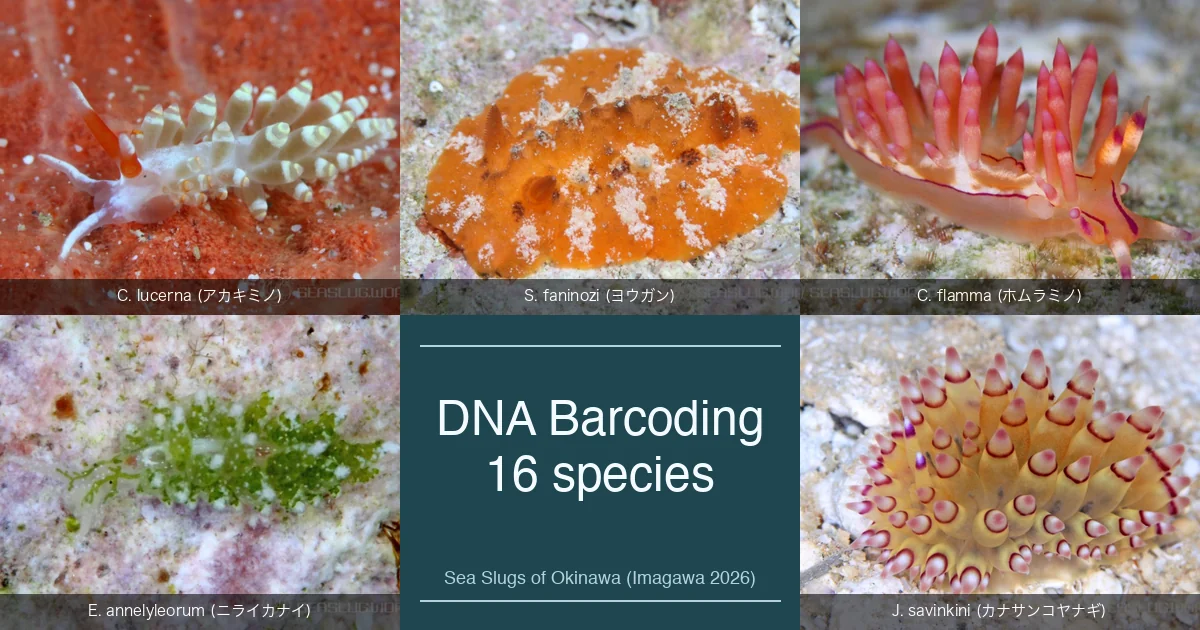
Sea Slugs of Okinawa (Imagawa 2026): 16 species with DNA-confirmed identity
On 6 July 2026 Seibundo Shinkosha released Sea Slugs of Okinawa: An Updated Identification Guide Based on DNA Analysis, 1,089 Species by Imagawa. The book proposes 81 new Japanese vernacular names. The 16 species covered in this article are cases where the species identity was anchored cleanly to a known species and the new name was supported without ambiguity. The set breaks down into 5 species where DNA barcoding was decisive for the identification (cases that are hard to resolve by morphology alone), and 11 species whose identification DNA barcoding confirmed against a published reference sequence. Specimens were collected primarily by Imagawa and the Chiba University research group, with seaslug.world participating in the project. All 16 species were formally described between 1965 and 2025, and none of these cases involves a claim of first record for Japan or Okinawa.
The 16 species
| Scientific name | SSWBP voucher |
|---|---|
| Catriona lucerna | SSWBP172-25 |
| Ercolania annelyleorum | SSWBP564-25 |
| Gymnodoris bernardae | SSWBP218-25 |
| Gymnodoris wanaporum | SSWBP534-25 |
| Sclerodoris faninozi | SSWBP705-26 |
| Phyllodesmium karenae | SSWBP029-25 |
| Thuridilla bayeri | SSWBP567-25 |
| Thuridilla ratna | SSWBP062-25 |
| Pelagella albopunctata | SSWBP708-26 |
| Trapania kahel | SSWBP150-25 |
| Trapania tamaraw | SSWBP682-26 |
| Phyllidia larryi | SSWBP526-25 |
| Janolus savinkini | SSWBP236-25 |
| Lamprohaminoea evelinae | SSWBP241-25 |
| Coryphellina flamma | SSWBP077-25 |
| Cyerce liliuokalaniae | SSWBP580-25 |
DNA barcoding was decisive for 5 species
Each of these 5 species sits inside a species complex with morphologically similar congeners, and identification by photographs or naked-eye observation alone is unreliable. When the COI sequence of each Okinawan specimen is compared against published GenBank references, however, all 5 hit a clean match. The resolution of that match, though, differs by species.
Species-level resolution: 4 examples
For Catriona lucerna, Gymnodoris bernardae, Gymnodoris wanaporum, and Sclerodoris faninozi, a reference sequence anchored at species level is available, and barcoding reaches the species name directly. This is the textbook case of DNA barcoding working: species that are difficult to resolve by photograph are nailed to a species name with only a few hundred base pairs of DNA.
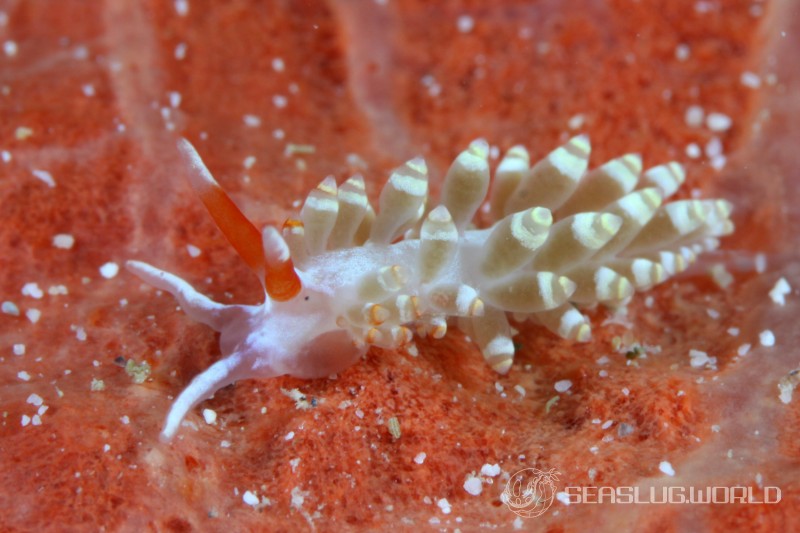
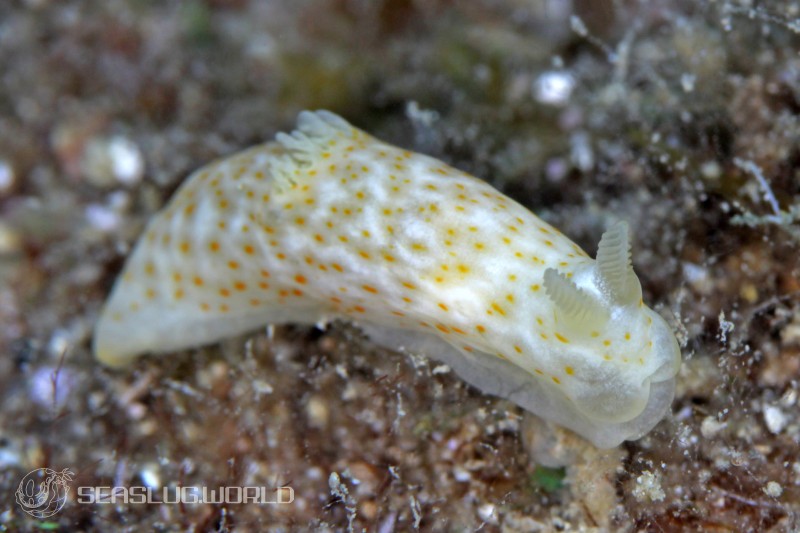
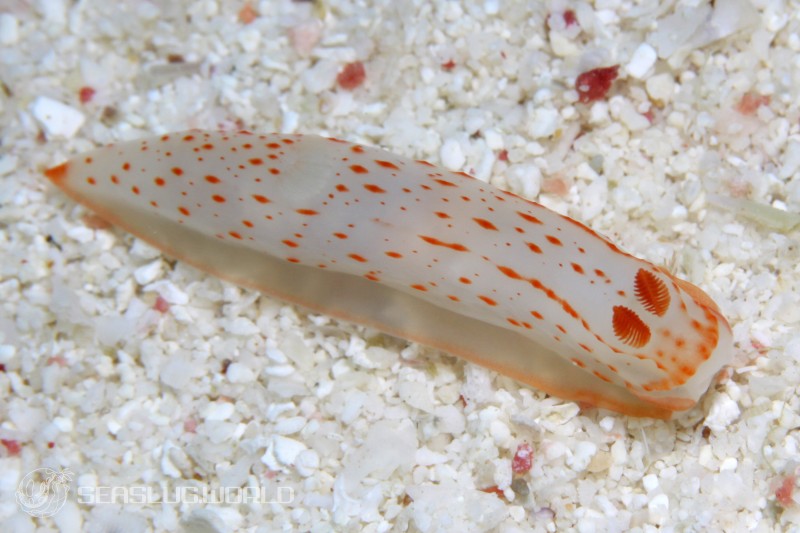
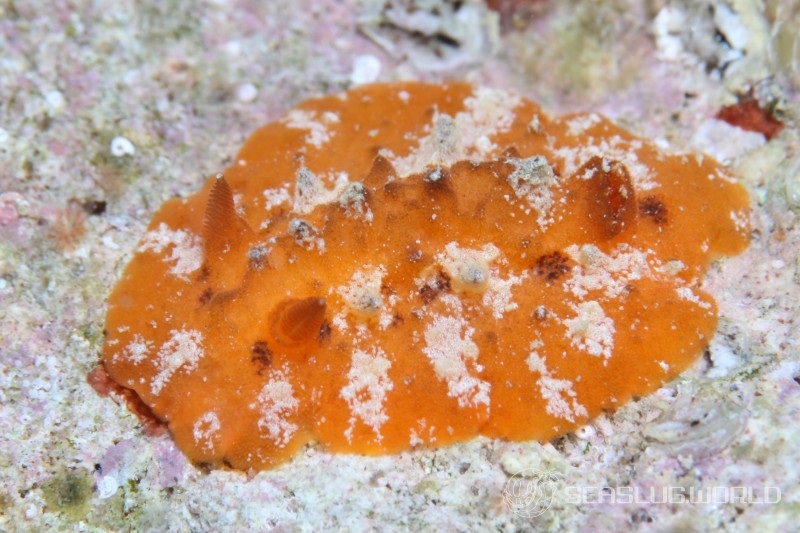
That said, "anchored at species level" does not mean the species-name label on the GenBank entry can be taken at face value. In several of these cases, the species name is reached only after cross-referencing the specimen list of the original description with the isolate identifier attached to the GenBank entry. This is the principle laid out in the DNA identification primer: the species-name label on GenBank is not the source of truth; the specimen list in the original description is.
Lineage-level resolution: 1 example (Ercolania annelyleorum)
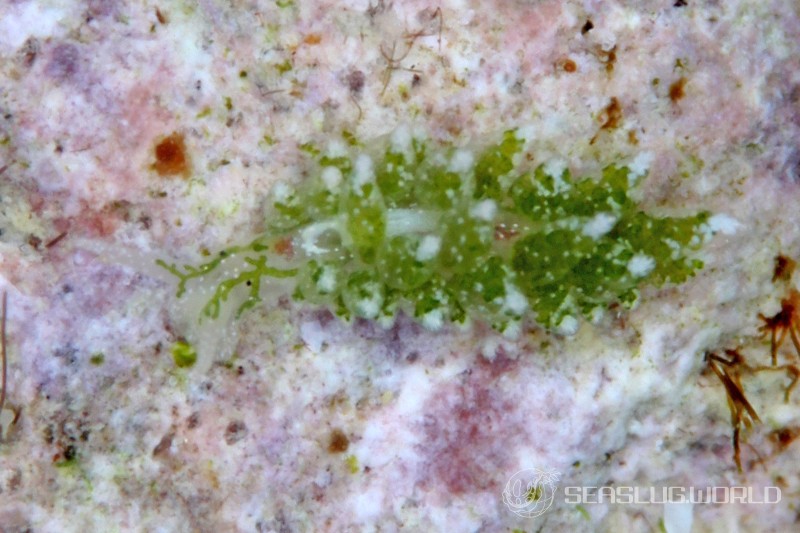
Ercolania annelyleorum is a different story. From the original description (Wägele, Stemmer, Burghardt & Händeler, 2010), this species was knowingly described as encompassing two sympatric mitochondrial lineages that are morphologically identical — a case of ongoing cryptic speciation, deliberately bundled into a single nominal species. All four sequences deposited by the original description come from the type locality at Lizard Island (Great Barrier Reef, Australia), but split into Lineage A (HQ380194 / HQ380195) and Lineage B (HQ380196 / HQ380197) with about 17% divergence between them.
The 658 bp COI of Okinawan specimen SSWBP564-25 matches HQ380196 with zero differences (100% identity), sharing the representative haplotype of Lineage B. In other words, the same lineage is shared between Lizard Island and Okinawa across a very wide geographic range.
DNA of the holotype (AM C.464067) has not been published, so under the ICZN it is currently undetermined which of the two lineages corresponds to the strict-sense species. Calling the Okinawan specimen E. annelyleorum introduces no taxonomic inconsistency at present, but if a future analysis sequences the holotype or reorganizes the taxonomy, Lineage B could plausibly be split out as a separate species. DNA barcoding here has not resolved identity at the strict species level, but it has cleanly resolved which of the two morphologically identical lineages the Okinawan specimen belongs to — a case of attaching a new Japanese vernacular name to one lineage inside a known cryptic complex.
DNA barcoding confirmed the identity of 11 species
The 11 species listed from Phyllodesmium karenae onward all matched published GenBank references at species-level resolution when the COI of each Okinawan specimen was compared, confirming the identification with molecular data. Some can be identified by photographs alone; others are cryptic enough that a photograph is not sufficient on its own, and barcoding provided the anchor.
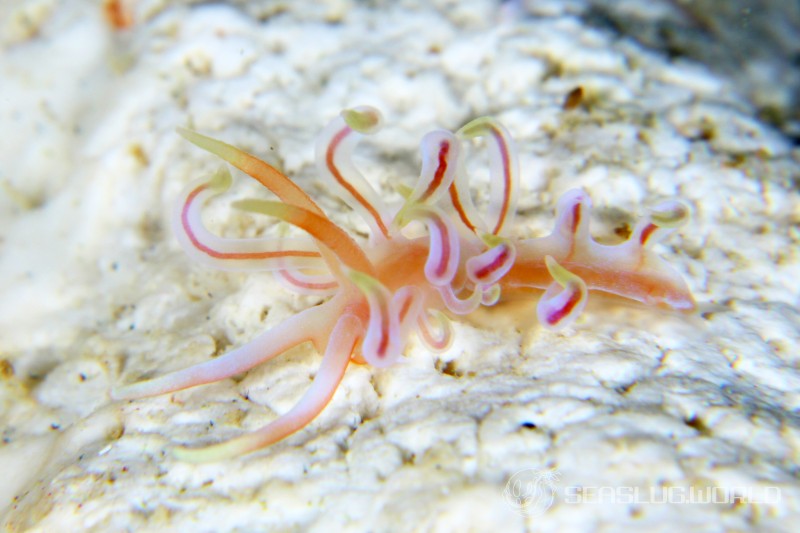
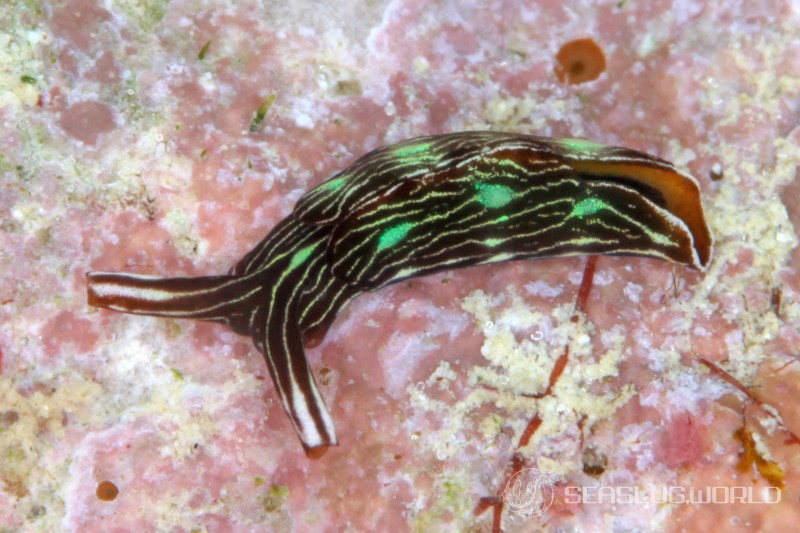
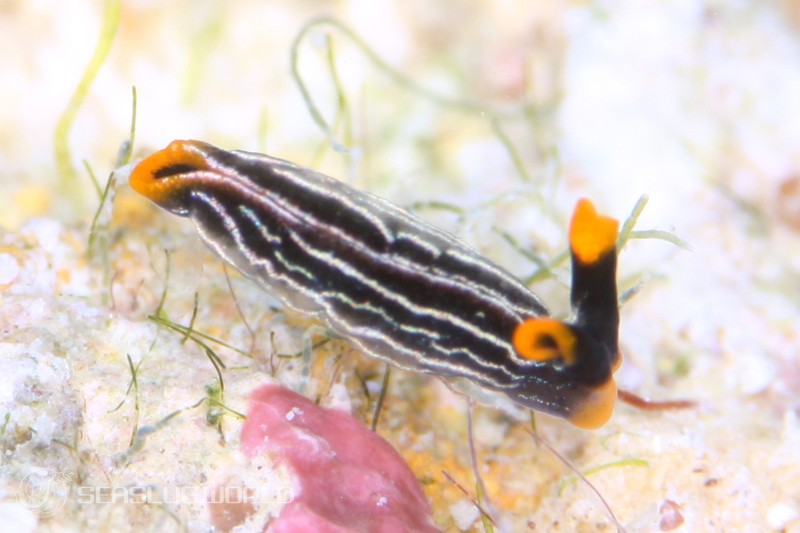
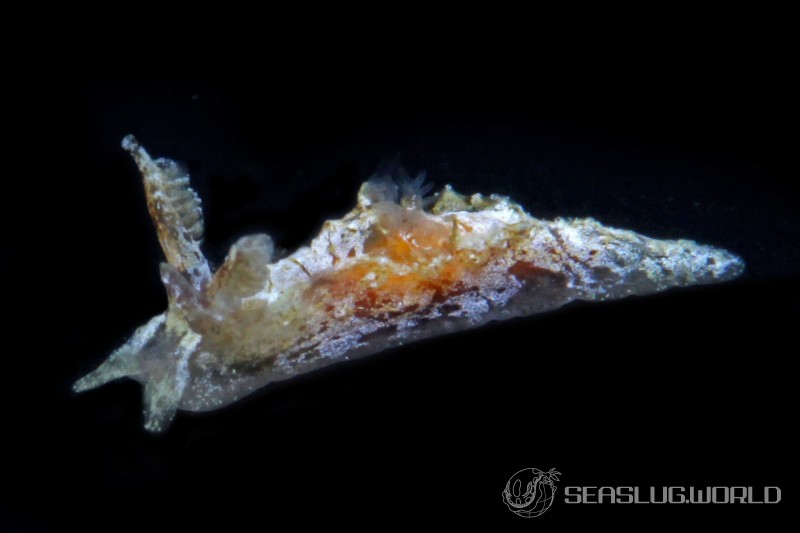
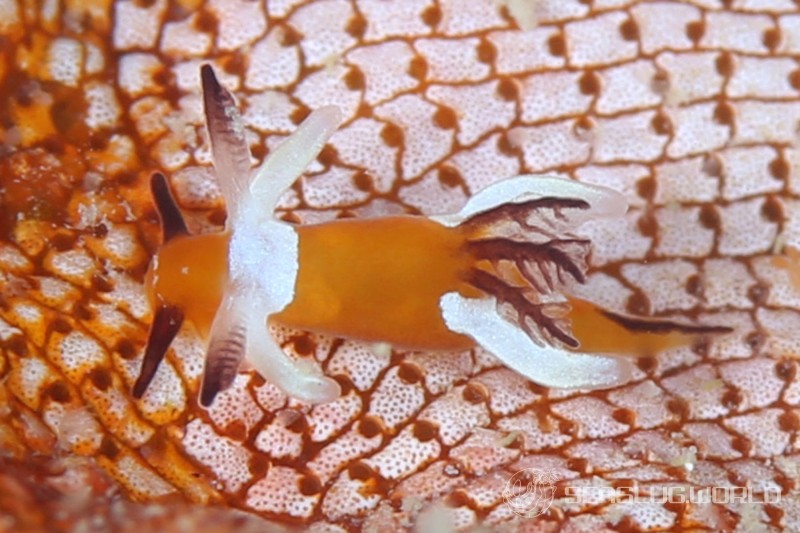
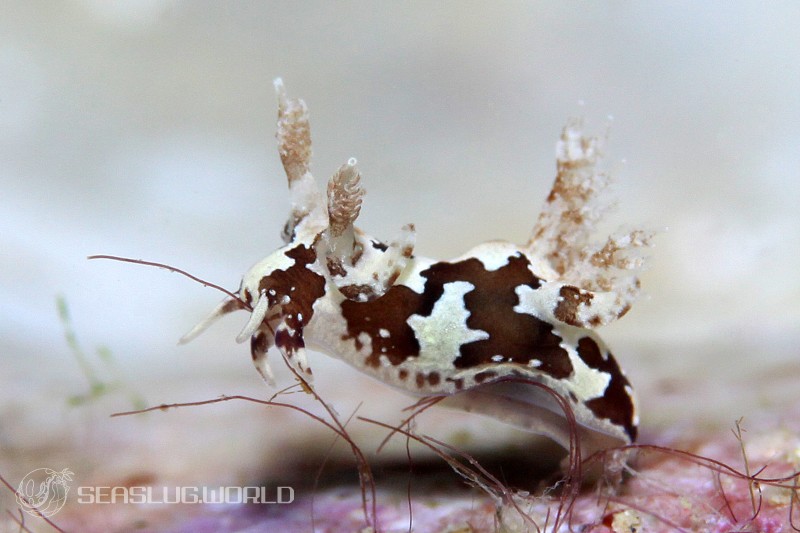
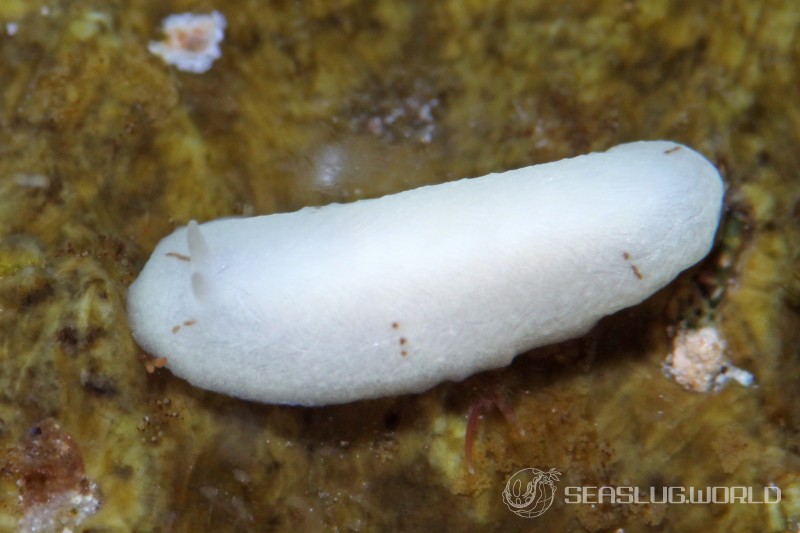
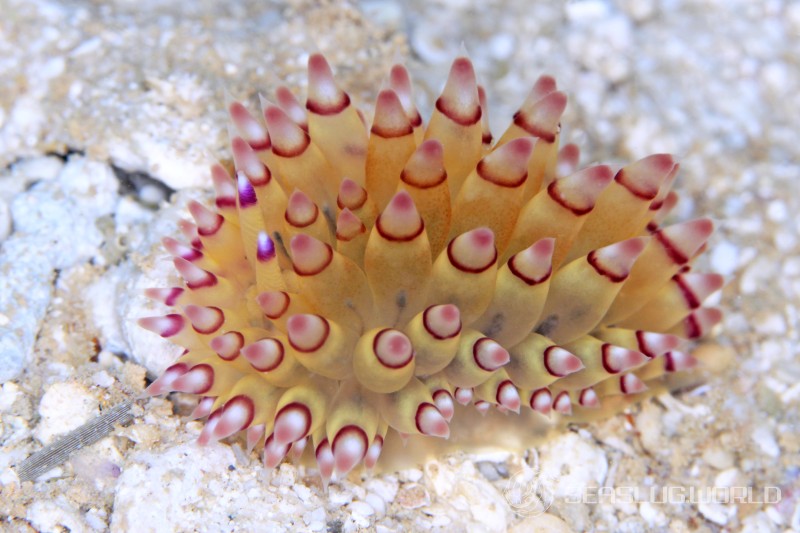
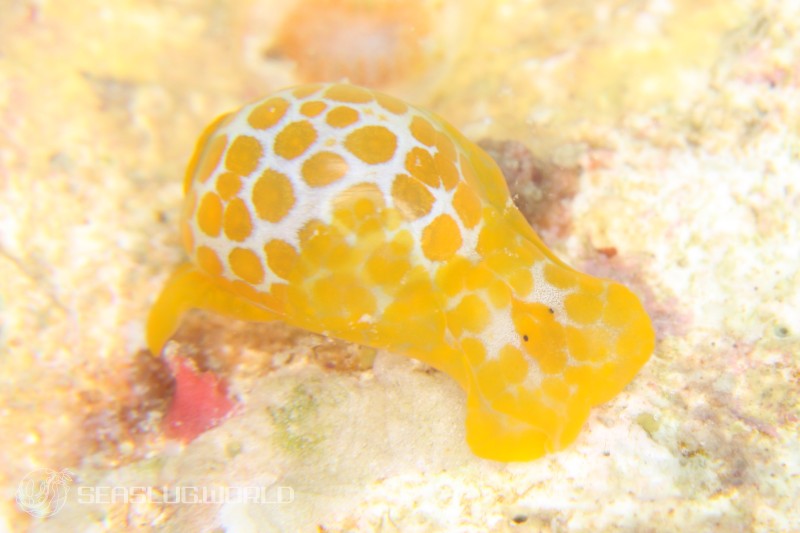
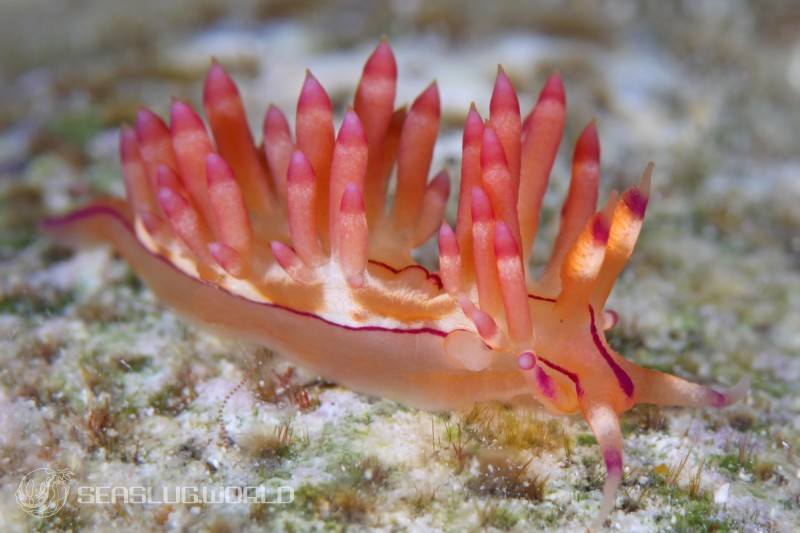
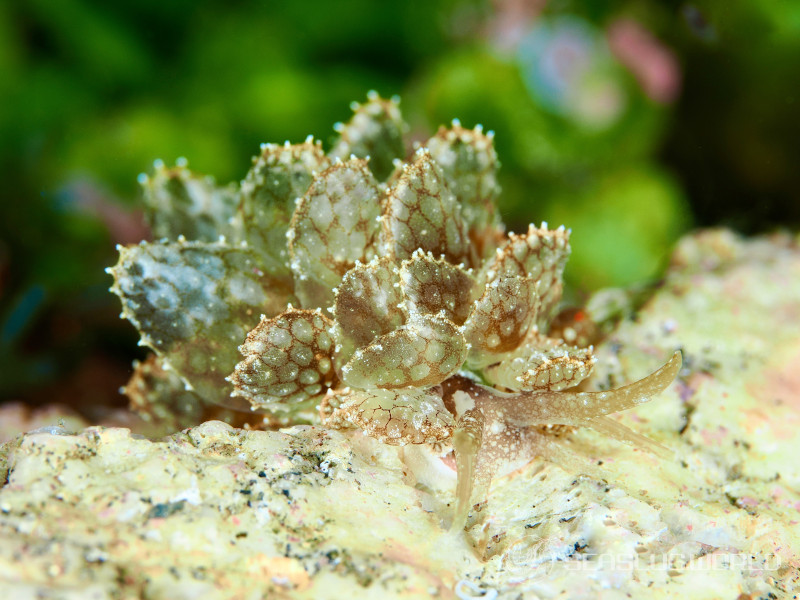
For these species DNA was not strictly required for identification, but barcoding confirmed the species-level match and leaves a sequence record for future verification. They show how far the book's new-name proposals reach when supported by both morphological and molecular grounds.
Future articles
- The steps between a DNA match and a new name (Ascobulla, Mourgona, Volvatella) (Premium subscribers): what has to happen between a clean DNA match and assigning a new name, followed through three worked examples.
The book
- Imagawa (2026) Sea Slugs of Okinawa: An Updated Identification Guide Based on DNA Analysis, 1,089 Species, Seibundo Shinkosha — Amazon JP (Japan-only edition; no Kindle, no Amazon US listing)
Enjoyed this post? You can tip the author directly —
Tip this post