Chromodoris nona (Baba, 1953)
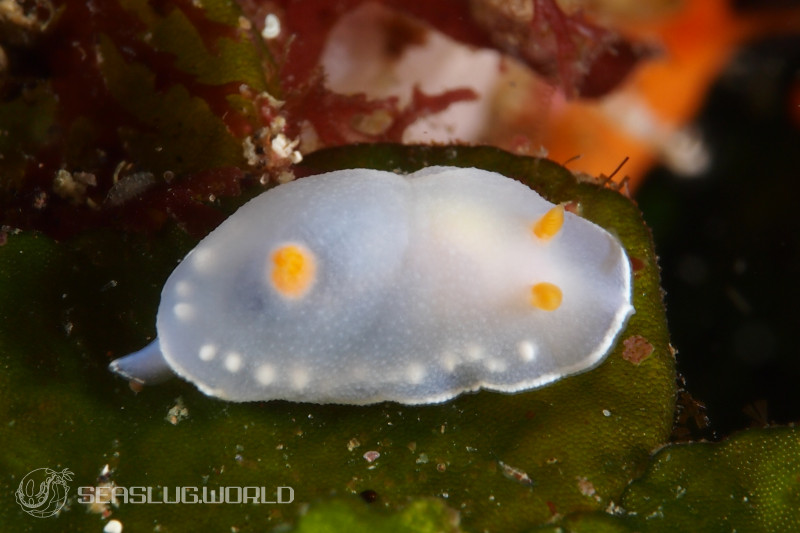
Description
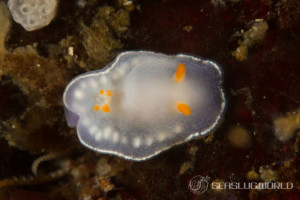
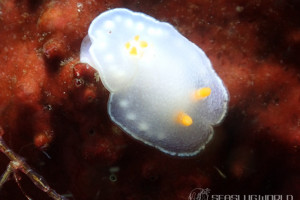
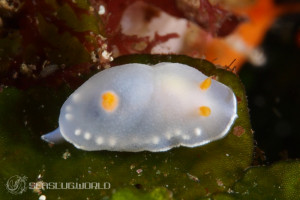
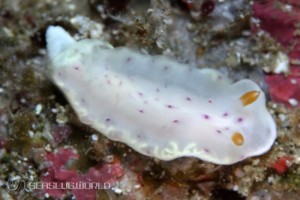
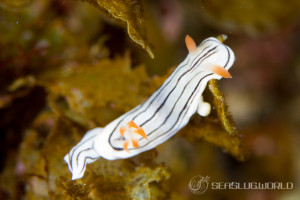
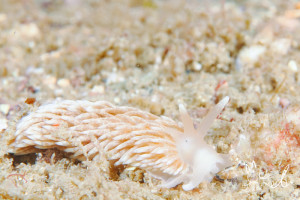
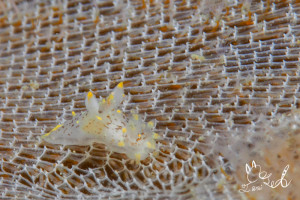
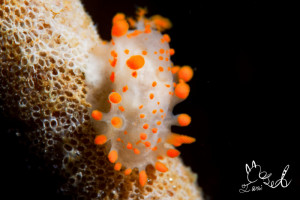
A chromodorid with translucent white body color edged by an opaque white mantle margin. Conspicuous opaque white spots are sparsely set around the mantle margin. The rhinophores and gills are yellow to orange-yellow. Body length attains about 25 mm. Baba 1953 (p.208) characterised the colour pattern as "pure white body-colour with yellow rhinophores and yellow gills, and a number of opaque white spots sparsely set around the mantle-margin." Radular formula 65 × 40.0.40; first lateral not differentiated, with 4-5 denticles on both sides; succeeding laterals denticulated on the outer margin only, the number of denticles ranging from 4 to 10.Distribution
Type locality: Amadaiba, Sagami Bay, Japan, at 80 m depth. Currently known from Japanese waters and Hong Kong.Etymology
Verbatim from the original description (Baba, 1953, p.208):This species is here regarded as new, with the name nona which impliesMiss" in Malay language." The often-assumed derivation from Latin nonus ("ninth") is therefore incorrect — the original description anchors the name to Malay.
Remarks
Originally described as Glossodoris nona, one of three new species in the same 1953 paper, based on a single specimen from Amadaiba, Sagami Bay. Baba compared the radula with that of Noumea nivalis, but the combination of opaque white spots along the mantle margin and yellow-orange rhinophores and gills distinguishes the species externally. Following the molecular phylogenetic revision of the Chromodorididae by a 2012 molecular revision, the species is now placed in Chromodoris.References
- Glossodoris nona BABA n. sp. Shiraume-umiushi (new name), Baba K. (1953). THREE NEW SPECIES AND TWO NEW RECORDS OF THE GENUS GLOSSODORIS FROM JAPAN. Publications of the Seto Marine Biological Laboratory. 3(2): 205-211. https://doi.org/10.5134/174468
- シラウメウミウシ, 益田一. (1999). 海洋生物ガイドブック. 第2刷. 東海大学出版会.
- シラウメウミウシ, 鈴木敬宇. (2000). ウミウシガイドブック〈2〉. TBSブリタニカ.
- シラウメウミウシ, 中野理枝. (2004). 本州のウミウシ. ラトルズ.
- Chromodoris nona, Johnson R.F. & Gosliner T.M. (2012). Traditional taxonomic groupings mask evolutionary history: a molecular phylogeny and new classification of the chromodorid nudibranchs. PLoS ONE 7(4): e33479.
A Kindle field guide by the site author
Kimoto N. (2026). Sea Slugs of Japan & the Indo-Pacific, 2nd Edition.
Kindle Edition
View on Amazon PR (Amazon Associates)Seasonality
Shooting Locations
Loading shooting locations...
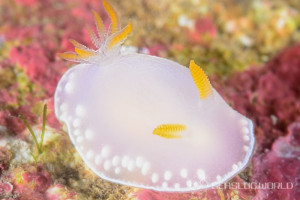
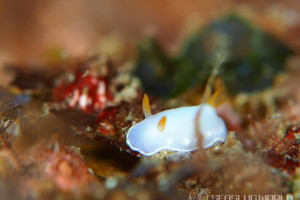
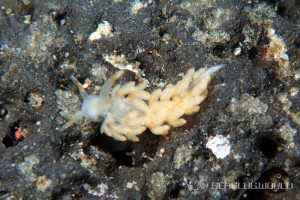
Photos of Chromodoris nona


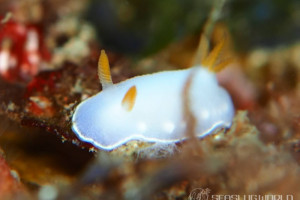
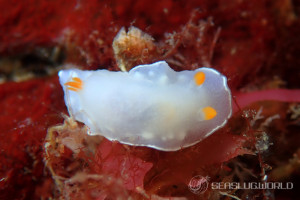

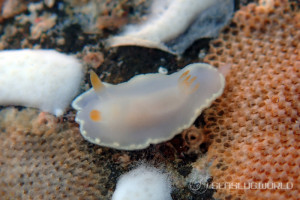
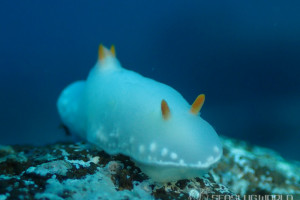



Same Genus Nudibranchs
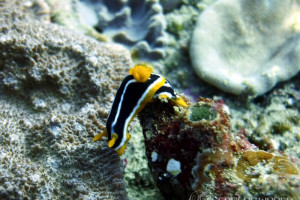

Similar Colors Nudibranchs

Academic Database
Sea slug observation data is available in international marine biodiversity databases.