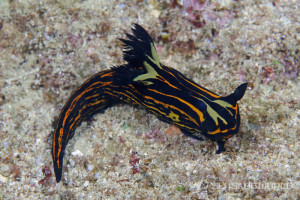
Tambja olivaria Yonow, 1994
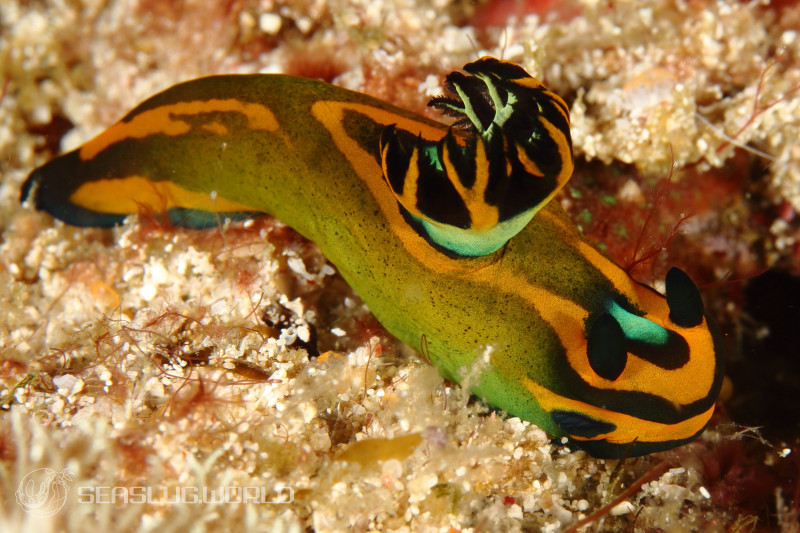
- Location
- Chocolate Island, Malapascua, Philippines
- Date
- 2018/11/30
- Length
- 25mm
- Depth
- 20.0m
- Water temperature
- 27.0℃
Description
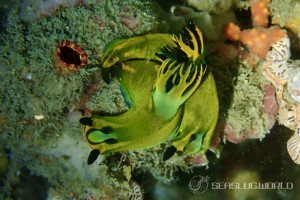
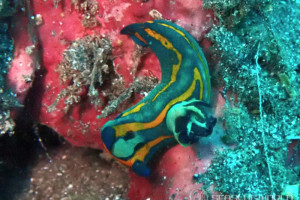
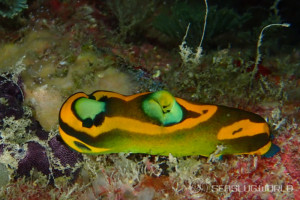
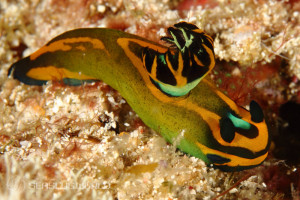
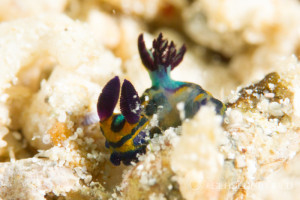
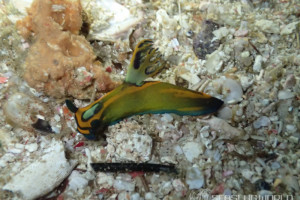
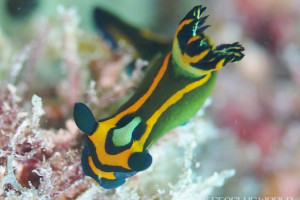
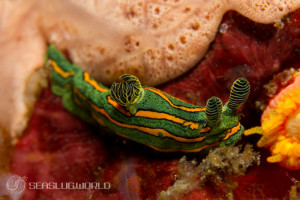
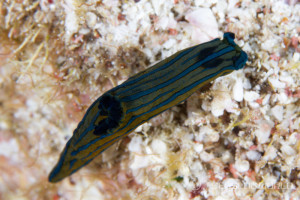
A mid-sized polycerid reaching about 50–60 mm in length. The body has the texture of wet chamois leather, with a thick, wrinkled integument; the animal is soft and slimy. The ground colour is olive green with black and yellow-orange markings, the orange becoming yellow-green in places. The head is broadly spatulate, narrowing midway between the rhinophores and gills and then broadening again. The head is encircled by a thickened deep-green pallial rim that thins out at the "neck" and disappears by the gill level; this rim is bordered dorsally by a yellow-orange crescent that encompasses the rhinophores and narrows at the neck. Behind the gills, each side bears an elongated longitudinal V-mark, the left one extending to the tail.The rhinophores are black, long and tapering, very densely lamellate, and end in a distal blob. The gills are thick lappet-like structures, yellow-orange to yellow-green and bordered along the edges and base by a deep-green band. Behind the rhinophores, near the midline, lies a pair of deep-green oval depressions. The oral tentacles are deep green; the foot margin is a brighter green and is edged in blue. The front of the head, below the pallial ridge, is yellow-orange. On each side, between the rhinophores and oral tentacles, there is a raised oval lamellated structure that recalls the lamellate organs of Thecacera.
Distribution
Type locality: Vihafushi Tila, Baa Atoll, Maldives, at 37 m depth (March 1991). Photographic records also come from the same atoll in 1987. The species is distributed in the Indian Ocean and the adjoining western Pacific. It feeds on the bryozoan Bugula dentata. The original describer suggested that the olive ground colour might reflect pigment sequestration from the dark-olive coral Dendrophyllia micranthus, on which the animals were photographed; this remains untested.Etymology
The specific epithet olivaria derives from the Latin olivarius, "of olives", in reference to the olive-green ground colour of the body — the diagnostic colour highlighted in the original description.Remarks
When handled, the animals are said to produce an acid-like stinging sensation on the hands and to exude masses of green pigment. The species closely resembles Tambja sp. 2 as listed on this site, but differs in lacking lateral body markings and in having gills coloured the same as the dorsal ground colour.References
- Tambja olivaria, Yonow N. (1994). Opisthobranchs from the Maldive Islands, including descriptions of seven new species (Mollusca: Gastropoda). Revue Française d'Aquariologie. 20(4): 97-130.
- Tambja olivaria, Terrence Gosliner, Ángel Valdés and David Behrens. (2015). Nudibranch and Sea Slug Identification Indo-Pacific. New World Pubns Inc.
Featured in this book
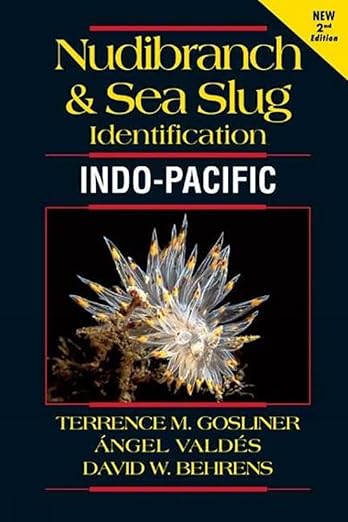
Terrence Gosliner, Ángel Valdés and David Behrens. (2018). Nudibranch and Sea Slug Identification Indo-Pacific 2nd Edition. New World Pubns Inc.
New World Publications
This species, Tambja olivaria, is included in the book.
View on Amazon PR (Amazon Associates)Seasonality
Shooting Locations
Loading shooting locations...
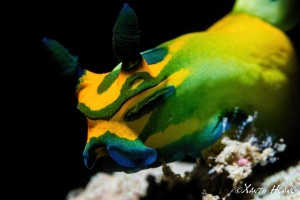
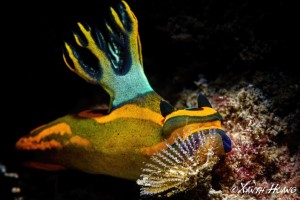
Photos of Tambja olivaria
Tag:








Same Genus Nudibranchs

Similar Colors Nudibranchs
Academic Database
Sea slug observation data is available in international marine biodiversity databases.