Vellicolla ooformis (Habe, 1952)
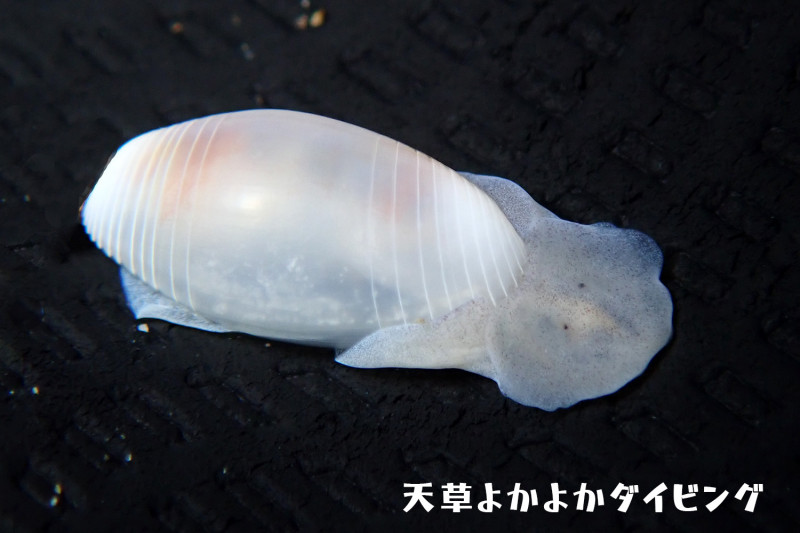
Description
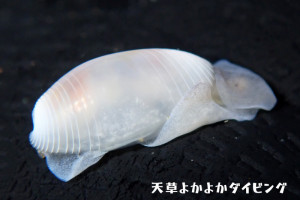
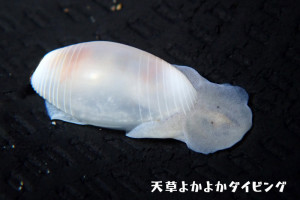
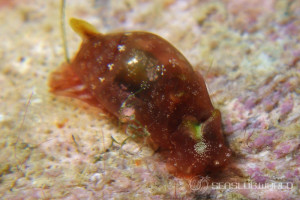
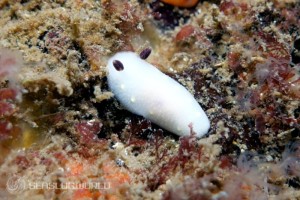
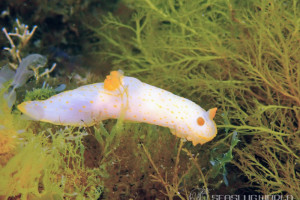
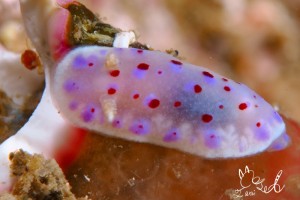
A small shelled cephalaspidean with a thin, semi-translucent, narrowly ovate shell. The shell is whitish to pale yellowish, and the spire is sunken inside the aperture, giving an ovate outline with no visible spire. In life the parapodial flaps of the mantle partially cover the shell. The Japanese name hoso-tamago-gai (slender egg-shell) refers to this slender, egg-shaped shell.Distribution
Japanese waters. The species inhabits sandy to sandy-muddy bottoms.Etymology
The specific epithet ooformis derives from Latin ovum (egg) and forma (form), meaning "egg-shaped", in reference to the shape of the shell.Remarks
Originally described in 1952 by Habe as Limulatys ooformis in the family Atyidae (now Haminoeidae). Oskars et al. 2019, in their molecular phylogenetic revision of Haminoeidae, transferred the species to the newly erected genus Vellicolla, yielding the current combination Vellicolla ooformis (Habe, 1952). The species is listed as Near Threatened (NT) in the 2020 Red List of Japan's Ministry of the Environment, and is similarly listed in the Red Data Books of Wakayama, Fukuoka, Nagasaki, Kumamoto, and Miyazaki Prefectures.References
- Limulatys ooformis n.sp., Habe T. (1952). Atyidae in Japan. In: Kuroda T. (ed.) Illustrated Catalogue of Japanese Shells, 1(20): 137-152.
- Oskars T.R., Too C.C., Rees D., Mikkelsen P.M., Willassen E. & Malaquias M.A.E. (2019). A molecular phylogeny of the gastropod family Haminoeidae sensu lato (Heterobranchia: Cephalaspidea): a generic revision. Invertebrate Systematics 33(3): 426-472.
A Kindle field guide by the site author
Kimoto N. (2026). Sea Slugs of Japan & the Indo-Pacific, 2nd Edition.
Kindle Edition
View on Amazon PR (Amazon Associates)Seasonality
Shooting Locations
Loading shooting locations...
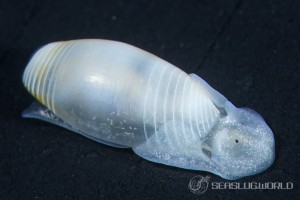
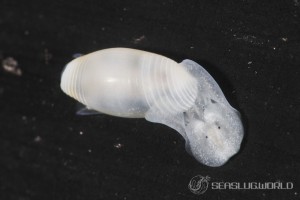
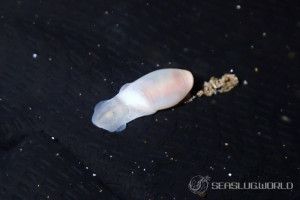
Photos of Vellicolla ooformis




Same Genus Nudibranchs

Similar Colors Nudibranchs
Academic Database
Sea slug observation data is available in international marine biodiversity databases.