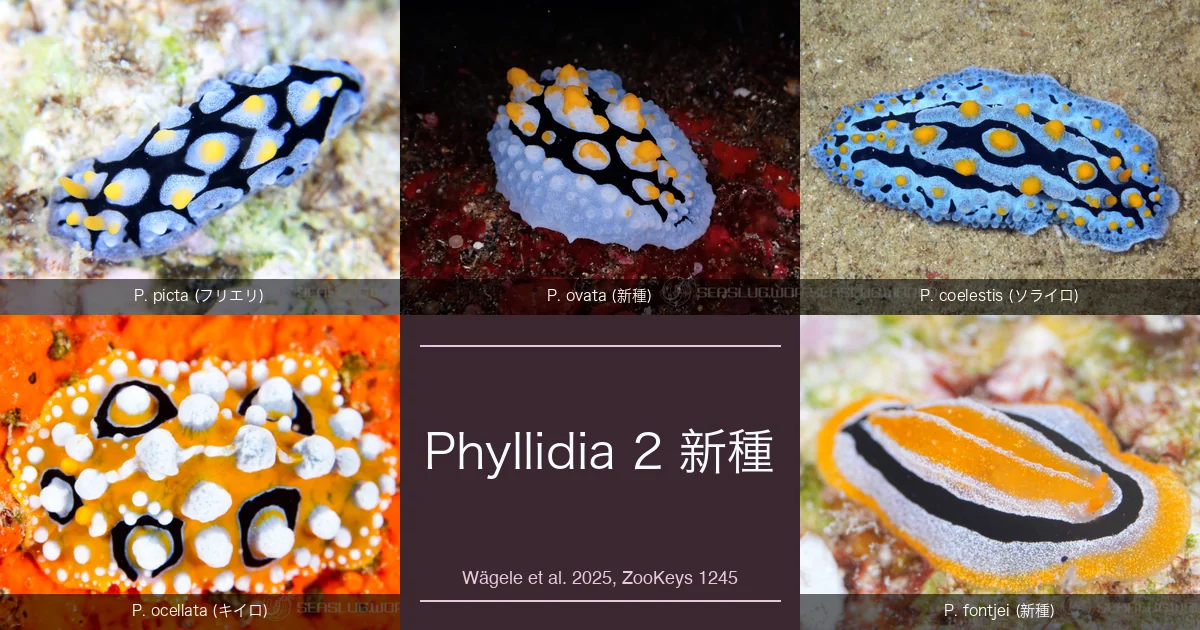
Photos Tagged Phyllidia picta (or P. coelestis) Turn Out to Be a New Species — Two New Phyllidia from Sulawesi
Intro
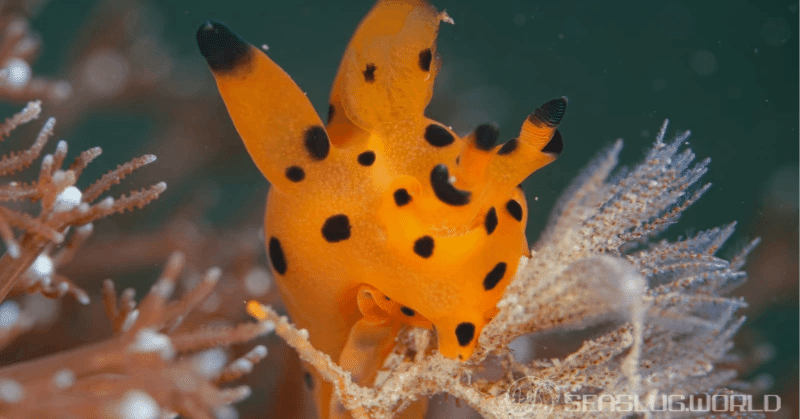
That dive log photo you tagged Phyllidia coelestis — or Phyllidia picta — might actually be a different species.
In July 2025, Wägele et al. described two new species in ZooKeys 1245:
Due to its unique colouration, individuals that were previously assigned to Phyllidia picta (1957) and Phyllidia coelestis (1905) on the Internet can now be correctly assigned to this new species.
— Wägele et al. 2025
A portion of the photos tagged on the Internet as P. picta or P. coelestis for the past 20+ years actually belong to this newly described species.
Two new Phyllidia described from Bunaken, North Sulawesi
The paper describes two new species — Phyllidia ovata sp. nov. and Phyllidia fontjei sp. nov. — from Bunaken Island, North Sulawesi, Indonesia.
| New species | Holotype year | Resembles | Distribution |
|---|---|---|---|
| P. ovata | 2015 | P. picta / P. coelestis | Western Pacific (Indonesia, Japan, Philippines, Taiwan, Australia) |
| P. fontjei | 2017 | P. monacha (Red Sea endemic) / P. koehleri (Maldives endemic) | Indonesia, Malaysia, Andaman Sea |
Authorship includes Indonesian researchers from Sam Ratulangi University (Manado) and BRIN — a collaboration model that also explains the naming of P. fontjei (see below).
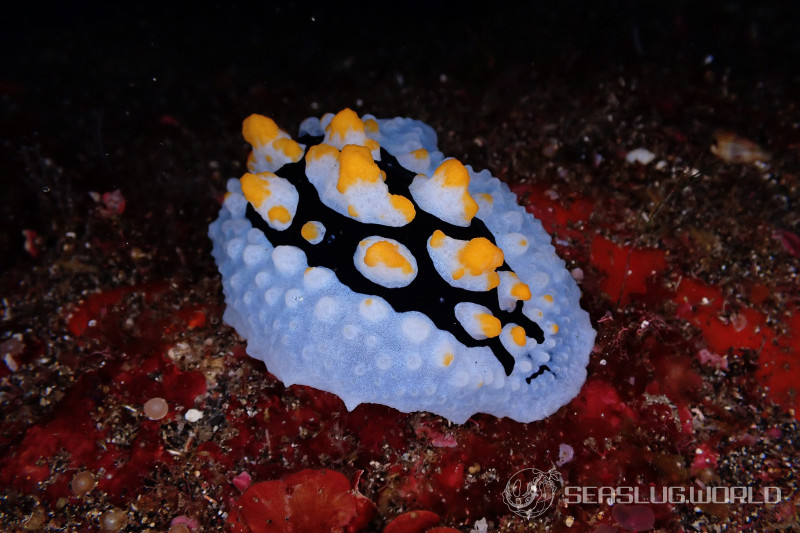
P. ovata — How to identify
- Mantle is elongate oval, white (sometimes with a tinge of blue) (the Latin ovatus = "egg-shaped" gives the species name)
- Central dorsum bears a clean-margined single oval black area, with a rounded U-shape of black at the anterior end (in front of the rhinophores) surrounding the first midline tubercle
- Large white conical tubercles with yellow apices in the middle three rows, only within the black area; the broad white mantle skirt has smaller white tubercles decreasing in size toward the margin
- Rhinophores yellow, on raised translucent-white sheaths, with a yellow-capped rhinophoral tubercle
In Remarks the authors state plainly:
This species is so distinctive that the internet photographs listed above can be confidently assigned to P. ovata, first recorded more than 20 years ago.
— Wägele et al. 2025
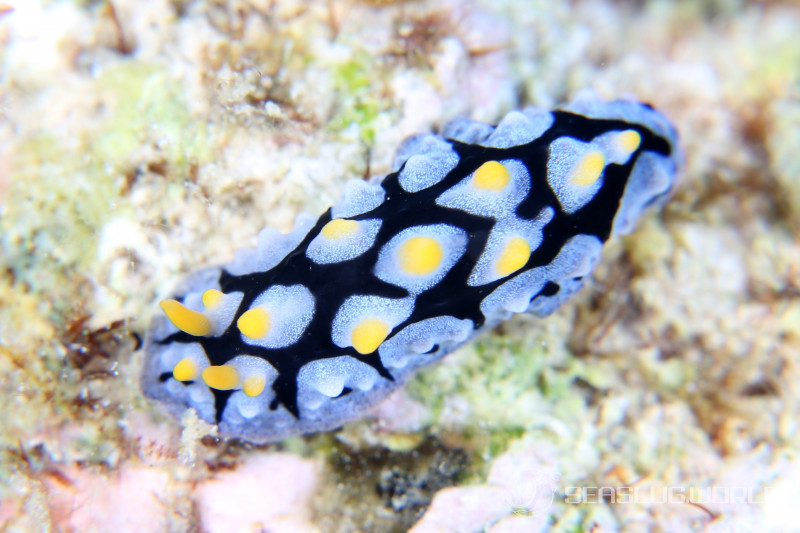
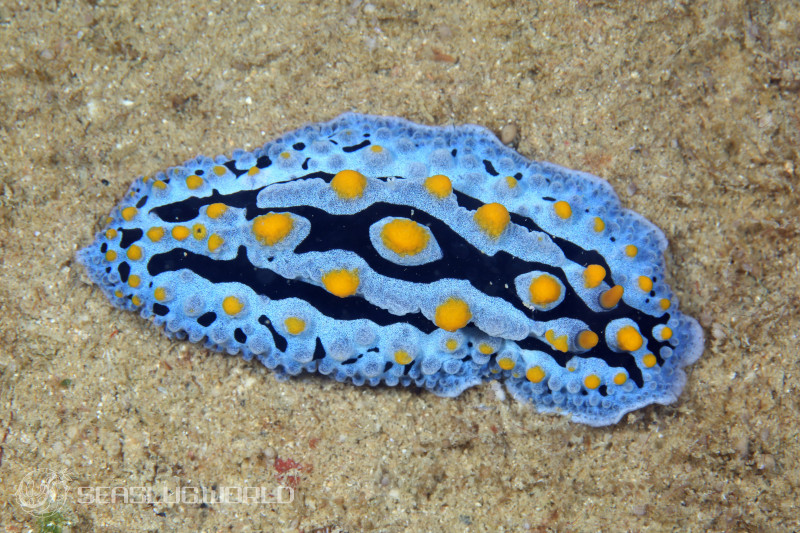
Dorsal comparison with the two species it had been confused with:
| Species | Ground colour | Black pattern |
|---|---|---|
| P. ovata (new) | White to bluish-white | Single black oval area |
| P. picta | Yellow to orange | Black reticulate ridges |
| P. coelestis | Blue | Multiple parallel black ridges |
The paper also gives two additional diagnostics — a black line down the foot sole midline and the anus opening ventrally — but these are for distinguishing P. ovata from a Western Australian specimen Yonow (2011) figured as P. coelestis dark form: dorsally similar but with the anus opening dorsally and no black line on the foot. Neither feature is typically captured in a casual dive log photo.
P. fontjei — named for Prof. Fontje Kaligis
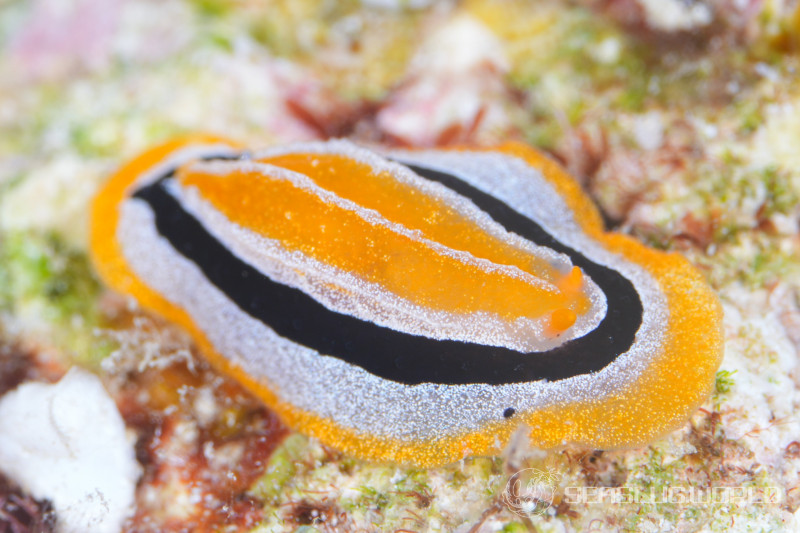
The second new species, P. fontjei, is named for Prof. Dr. Fontje Kaligis of Sam Ratulangi University (Manado, North Sulawesi). From Etymology:
We name this species after our dear colleague Prof. Dr. Fontje Kaligis from Sam Ratulangi University, Manado, who initiated our Indonesian co-operation on describing marine Heterobranchia diversity around North Sulawesi. He passed away in September 2017, too early to see all the publications resulting from the joint collecting efforts.
— Wägele et al. 2025, Etymology
In other words, the Indonesian researcher who initiated the collaboration has his name preserved in a new species described from that collaboration. The holotype was collected in September 2017, the same month he died. The paper itself reads as a tribute.
Externally, P. fontjei is a small species (16 mm) with white ground colour, narrow orange mantle margin, and a prominent orange central ridge. It is sister to two other small, narrow-range species: P. monacha (Red Sea endemic, 14 mm) and P. koehleri (Maldives endemic, 17 mm). All three are small with restricted distributions — a localised lineage within Phyllidia.
You don't have to dig back through your dive log yourself
In the paper, the authors formally cite citizen observation photos from NudiPixel, iNaturalist, Facebook, and the Sea Slug Forum (Kato 2002) as distribution records. And in Remarks, they note that P. ovata individuals were found mixed in among photos filed as P. picta on iNaturalist and NudiPixel — this site fell into the same trap, with several individuals previously classified as P. picta. "A diver's personal log photo, used 20 years later in a new species description" is the actual workflow.
Even a familiar, common species like P. picta (フリエリイボウミウシ in Japanese) can later turn out to be a different species. If you upload photos to seaslug.world, the platform automatically notifies you when one of your photos gets re-identified into a new species. The value is in uploading the photo itself — the species name gets reassigned afterwards.
Related pages on this site:
- Phyllidia ovata — new species
- Phyllidia fontjei — new species
- Phyllidia coelestis
- Phyllidia picta
- Phyllidia ocellata
Reference: Wägele H., Raubold L. M., Papu A., Undap N. & Yonow N. (2025). On two new Phyllidia species (Gastropoda, Nudibranchia, Doridina) and some histology from the Coral Triangle. ZooKeys 1245: 1–18. https://doi.org/10.3897/zookeys.1245.153046
Enjoyed this post? You can tip the author directly —
Tip this post