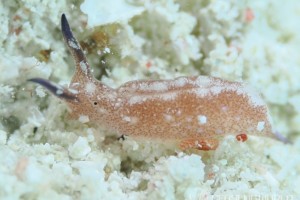
Elysia cf. japonica Eliot, 1913
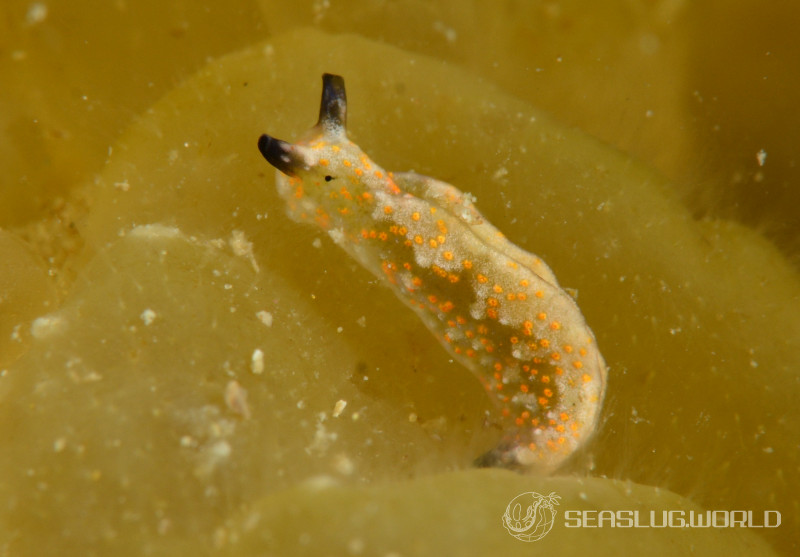
- Location
- Kyoudomari, Koinoura, Fukuoka, Japan
- Date
- 2017/05/07
- Length
- 5mm
- Depth
- 5.0m
- Water temperature
- 16.0℃
Description
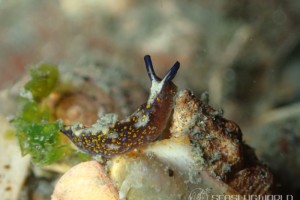
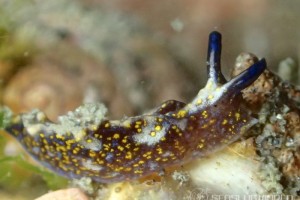
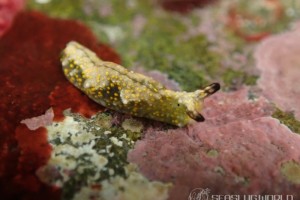
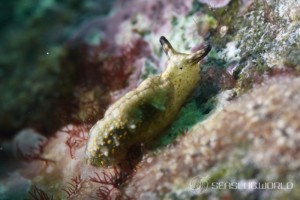
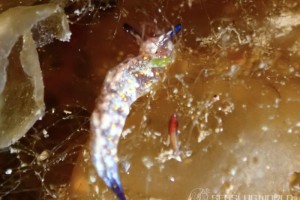
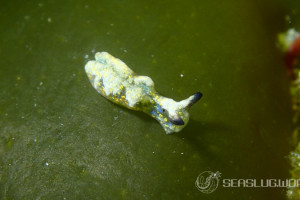
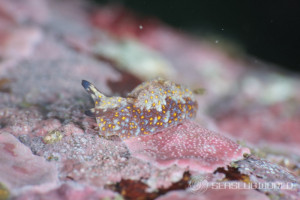
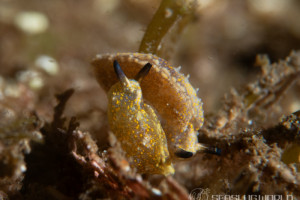
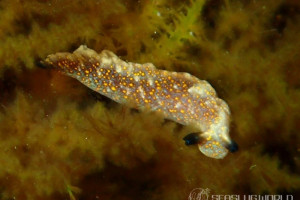
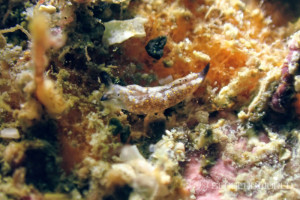
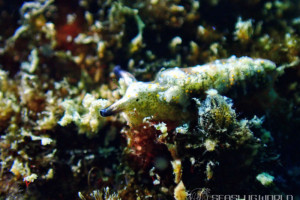
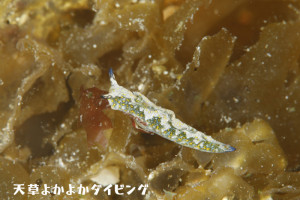
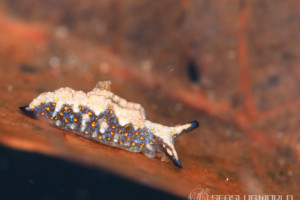
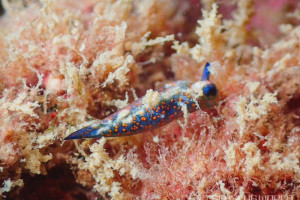
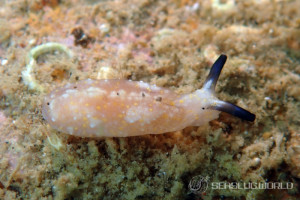
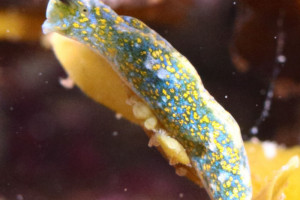
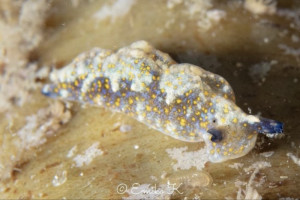
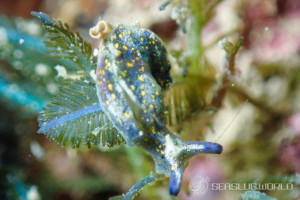
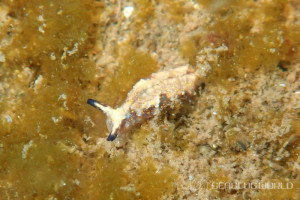
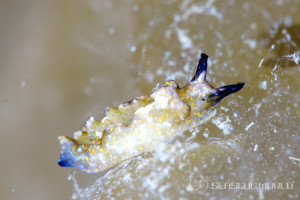
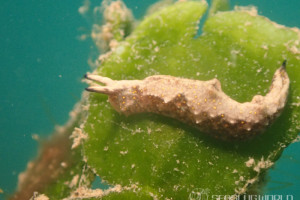
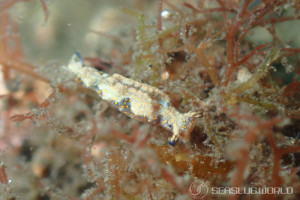
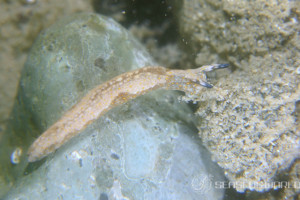
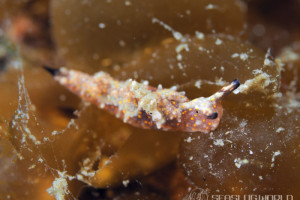
Body length around 10-15 mm. Ground colour yellowish green to green, scattered with fine yellow dots; orange and iridescent blue spots are sometimes present. The outer surface of the parapodia is darker, often with diffuse dark brown pigment. The tips of the rhinophores and tail are conspicuously blackish. Externally similar to Elysia amakusana but distinguished by the scattered yellow dots.Distribution
Japan, Hong Kong and other parts of the western Pacific. Eliot 1913 gave no explicit type locality, and the 1957 study likewise listed the locality as unknown.Etymology
The specific epithet japonica is Latin for "of Japan", referring to the Japanese provenance of the original material.Remarks
Elysia japonica was described by Eliot 1913 in "Japanese nudibranchs" from preserved material, with only limited diagnostic information and no radular description. As a result, modern populations referred to as E. cf. japonica cannot be confidently matched to Eliot's original type, and the qualifier "cf." is retained pending taxonomic re-evaluation. Reported to feed on green algae such as Cladophora.References
- Elysia (Elysia) hirasei BABA, 1955 Gokuraku-midorigai, Baba K. (1957). THE SPECIES OF THE GENUS ELYSIA FROM JAPAN. Publications of the Seto Marine Biological Laboratory. 6(1): 69-74. https://doi.org/10.5134/174573
- Takano T., Hirano Y.M., Trowbridge C.D., Hirano Y.J. & Watano Y. (2013). Taxonomic Clarification in the Genus Elysia (Gastropoda: Sacoglossa): E. atroviridis and E. setoensis. American Malacological Bulletin. 31(1): 25-37. https://doi.org/10.4003/006.031.0114
A Kindle field guide by the site author
Kimoto N. (2026). Sea Slugs of Japan & the Indo-Pacific, 2nd Edition.
Kindle Edition
View on Amazon PR (Amazon Associates)Seasonality
Shooting Locations
Loading shooting locations...
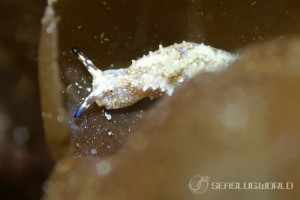
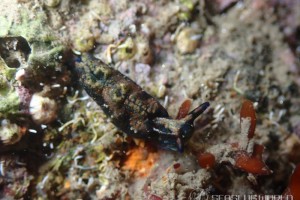
Photos of Elysia cf. japonica










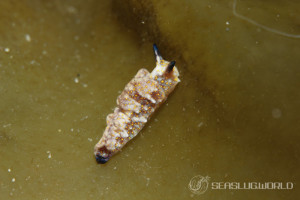

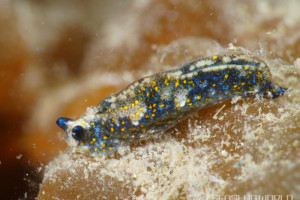

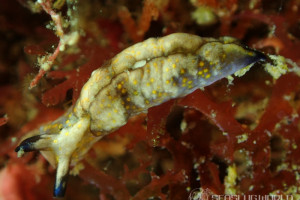

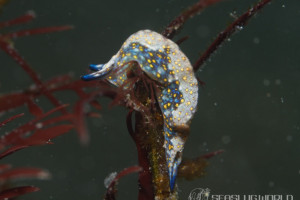









Same Genus Nudibranchs
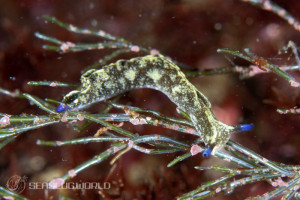
Similar Colors Nudibranchs
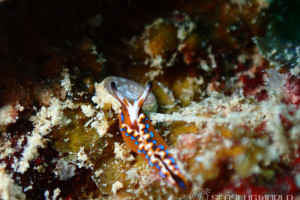
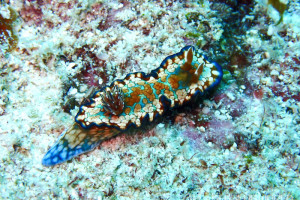

Academic Database
Sea slug observation data is available in international marine biodiversity databases.