Acteocina gordonis (Yokoyama, 1927)
Description
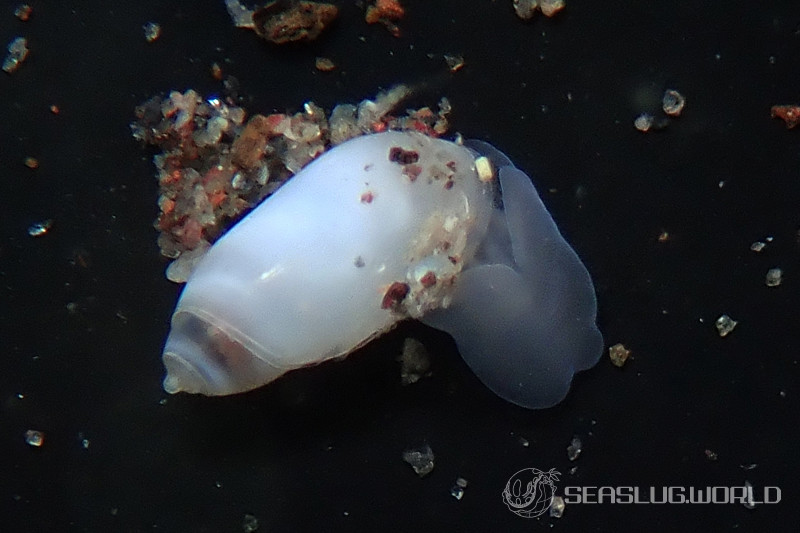
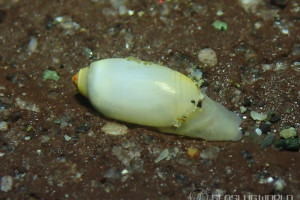
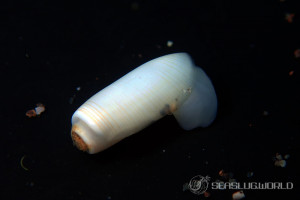
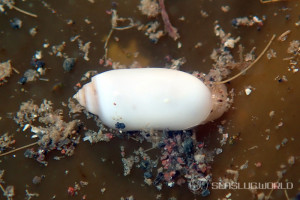
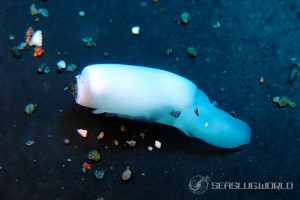
A very small acteocinid about 3.4 mm in shell height. The shell is thick and subcylindrical, with a high conical spire and a bluntly rounded apex. The four and a half whorls each bear a distinct spiral ridge in the middle; above this ridge the whorl is slightly concave at the shoulder. The shell surface is entirely smooth, lacking incised lines or ribs. The aperture is elongate and slightly shorter than the shell-height: linear in the upper part, gradually widening downwards, and broadest and rounded at the lower end. A strong, oblique, blunt columellar fold is present. The glaze covering the inner lip spreads outward from its lower part and covers part of the shell-base. The outer lip is rather thick.Distribution
Type locality: Matsudo, in northern Chiba Prefecture, Japan (former Western Shimosa Province). The species was described as a fossil from the Upper Musashino Formation (Pleistocene), based on a single specimen contained in the fossil shell collection kept at the Geological Institute of the Imperial University of Tokyo. The species has subsequently been recorded from the Recent fauna of Japan as well.Etymology
The specific epithet gordonis honours the late Mr. Gordon Yamakawa, whose collection of fossil shells from the Upper Musashino Formation was kept at the Geological Institute of the Imperial University of Tokyo. The describer, Matajiro Yokoyama, found this and several other new species while examining Yamakawa's collection.References
- Retusa gordonis n. sp., Yokoyama M. (1927). Mollusca from the Upper Musashino of Western Shimosa and Southern Musashi. Journal of the Faculty of Science, Imperial University of Tokyo, Section II, 1(10): 439-457, pls. LI-LII.
- ゴルドンコメツブ Acteocina (Tornatina) gordonis (YOKOYAMA), 波部忠重. (1961). 続原色日本貝類図鑑. 保育社, 大阪. xii + 183 + 42 pp., 66 pls. [Habe T. (1961). Coloured illustrations of the shells of Japan (II). Hoikusha, Osaka.]
- ゴルドンコメツブガイ Acteocina (Tornatina) gordonis (Yokoyama, 1927), 奥谷喬司. (2000). 日本近海産貝類図鑑. 東海大学出版会.
A Kindle field guide by the site author
Kimoto N. (2026). Sea Slugs of Japan & the Indo-Pacific, 2nd Edition.
Kindle Edition
View on Amazon PR (Amazon Associates)Seasonality
Shooting Locations
Loading shooting locations...
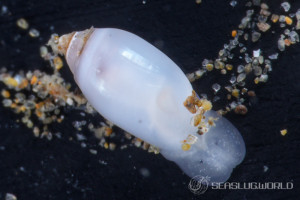
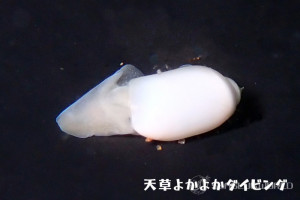
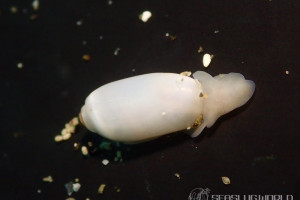
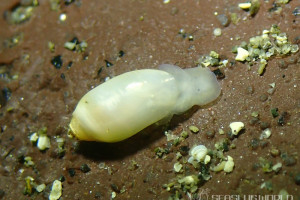
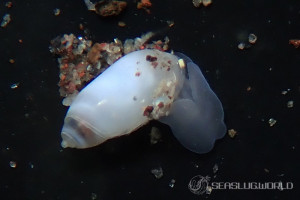
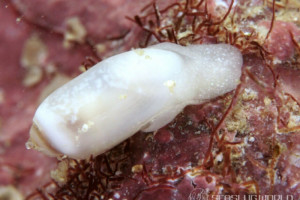
Photos of Acteocina gordonis





Same Genus Nudibranchs
Similar Colors Nudibranchs

Color:
White
Academic Database
Sea slug observation data is available in international marine biodiversity databases.