Discodoris pardalis (Alder & Hancock, 1864)
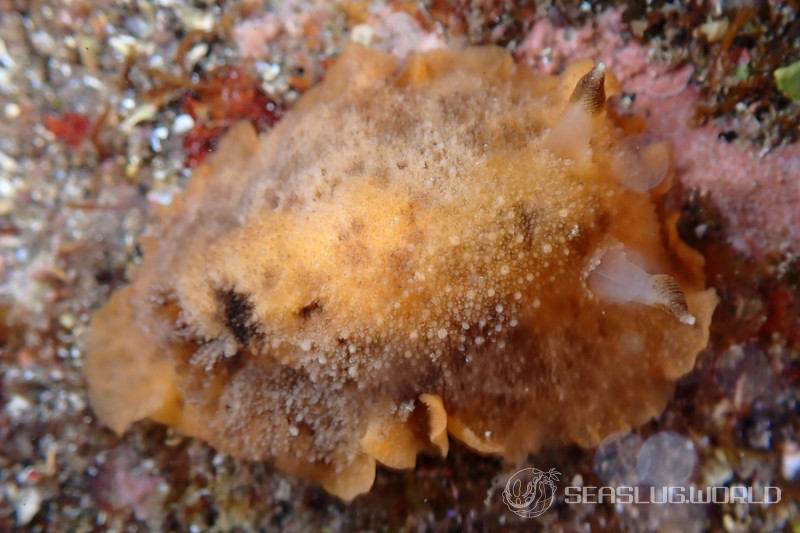
Description
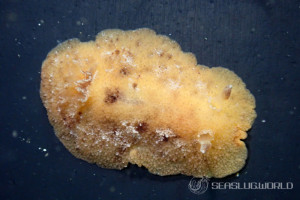
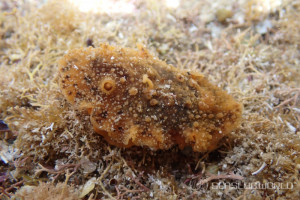
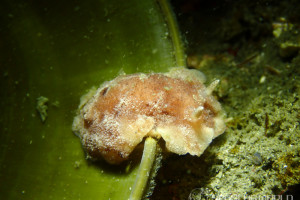
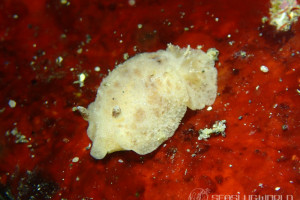
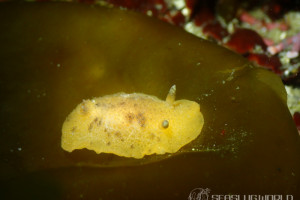
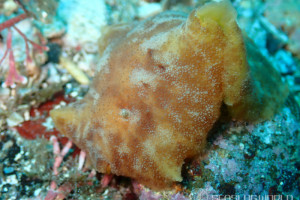
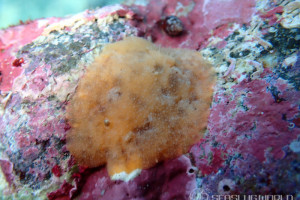
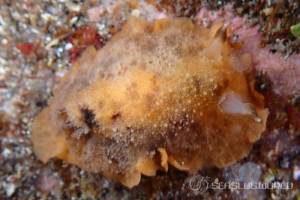
Body oval and somewhat flattened, with the dorsum covered in fine velvety tubercles. Ground color ranges from pale orange-brown to yellowish brown, overlaid with a reticulate network of irregular dark brown blotches that gives the species its leopard-like appearance. The rhinophores and gills retract into pockets bearing the same color pattern as the surrounding mantle.Distribution
Type locality is the Bay of Bengal coast of India, based on specimens collected by Walter Elliot. In Japan, the species was first reported by Baba and Hamatani 1952 from Seto and Kada (Kii Peninsula, Wakayama) and has since been recorded sporadically along central and southern Honshu.Etymology
The specific epithet pardalis is Greek for "leopard" or "panther," used in Latin as a metaphor for spotted patterns. It refers to the leopard-like dorsal markings of the species.Remarks
The species was originally described by Alder and Hancock 1864 from India as Doris pardalis and later transferred to Discodoris.WoRMS currently treats the name as a nomen dubium: the original figures and description are too fragmentary to confirm whether the populations attributed to this species across the Indo-Pacific represent a single species or several. Specimens currently aggregated under this page on seaslug.world likewise require careful comparison with Thordisa sp. 9, Geitodoris lutea, and Geitodoris sp. 1.
References
A Kindle field guide by the site author

Kimoto N. (2026). Sea Slugs of Japan & the Indo-Pacific, 2nd Edition.
Kindle Edition
View on Amazon PR (Amazon Associates)Seasonality
Shooting Locations
Loading shooting locations...
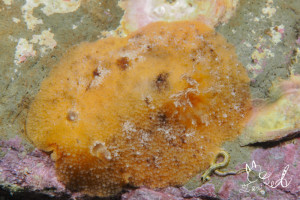
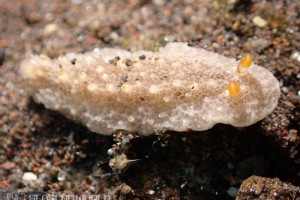
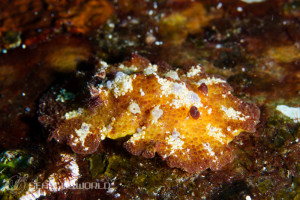
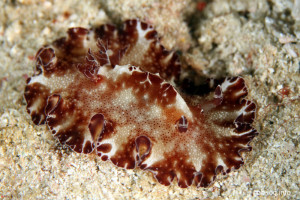
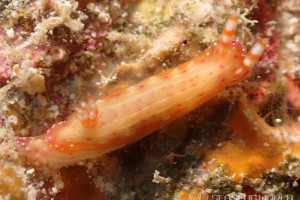
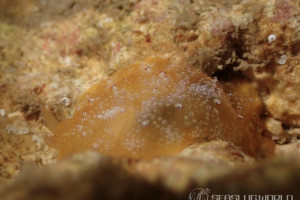
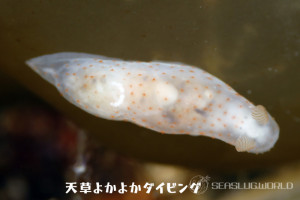
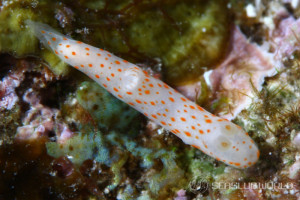
Photos of Discodoris pardalis








Same Genus Nudibranchs
Similar Colors Nudibranchs


Academic Database
Sea slug observation data is available in international marine biodiversity databases.