Halgerda terramtuentis Bertsch & S. Johnson, 1982
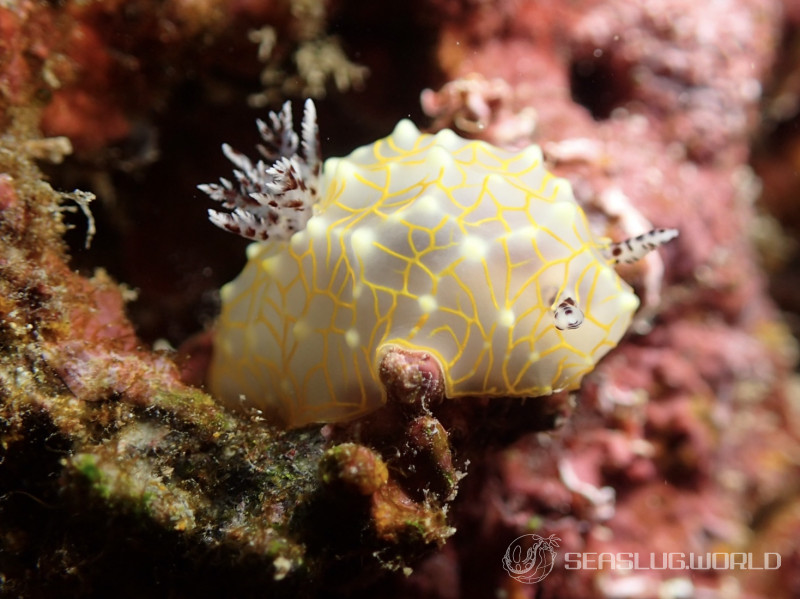
- Location
- Magic Island, O'ahu, Hawaii, United States
- Date
- 2018/12/12
- Length
- 15mm
- Depth
- 5.0m
- Water temperature
- 25.0℃
Description
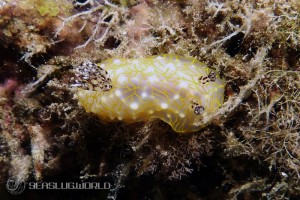
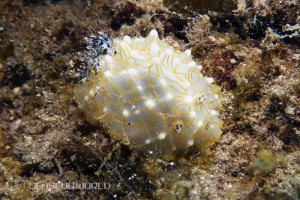
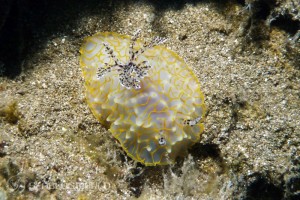
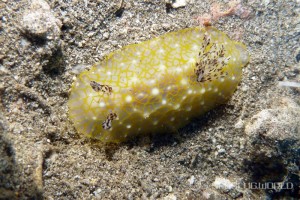
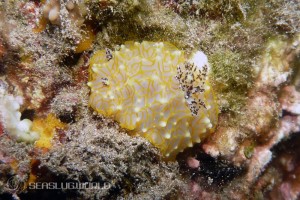
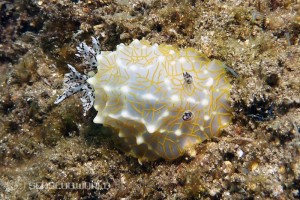
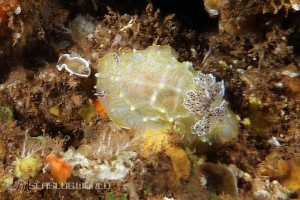
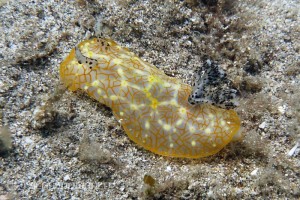
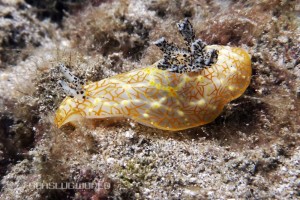
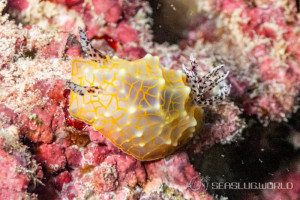
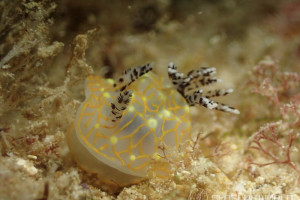
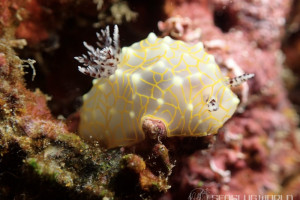
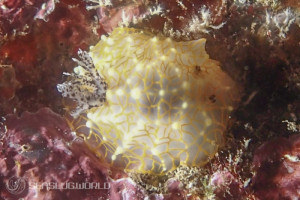
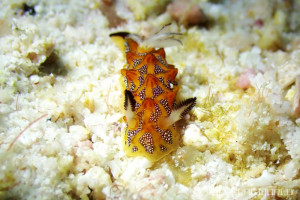
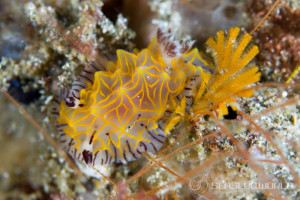
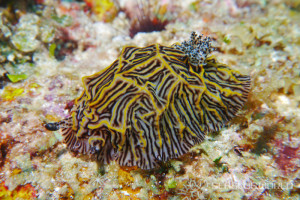
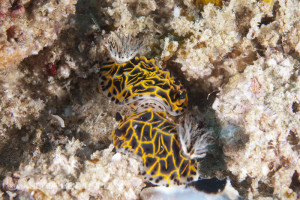
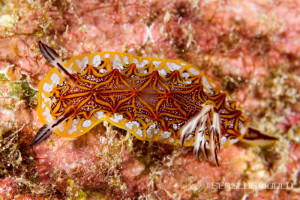
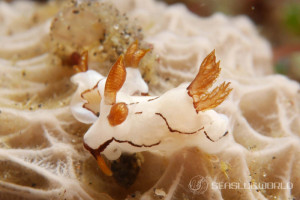
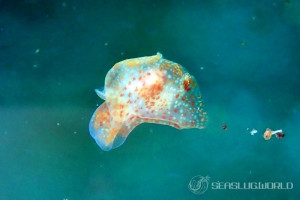
Body length typically up to 50 mm, reaching a maximum of 110–120 mm. The body is translucent white, with low pale yellow to white-tipped tubercles scattered across the dorsum. The tubercles are connected by low ridges, and a network of gold-orange lines runs across the dorsum between the tubercles and ridges, producing the species' striking lace-like pattern. A single submarginal gold-orange line runs around the mantle edge. The rhinophores and gills are translucent white speckled with small black spots. The gill consists of bipinnate branchial leaves, and the species has the smooth rhinophoral and branchial sheaths characteristic of the genus.Distribution
Endemic to the Hawaiian Islands, recorded from Hawaiʻi, Maui, Lanaʻi, Oʻahu, Kauaʻi and Niʻihau, as well as French Frigate Shoals and Johnston Atoll. Type locality: Hawaiian Islands. Found on rocky reefs, shaded ledges and cavern walls between 1.5 and 43 m depth.Etymology
The specific epithet terramtuentis derives from Latin meaning "of one watching over the earth," in honour of the Earthwatch Institute volunteers who assisted Bertsch and Johnson with the fieldwork leading to the original description (Bertsch & Johnson, 1982).Remarks
The species is thought to feed on an unidentified orange sponge and lays bright yellow egg masses. It is one of the more commonly observed nudibranchs in Hawaiʻi, encountered both by day and at night on exposed rock and along sponge-encrusted ledges. The Japanese name "Maamareido Umiushi" alludes to its white background with a network of gold-orange lines, which recalls orange marmalade; the name was introduced by Masuda 1999. Common English names include Gold Lace Nudibranch and the etymologically motivated Earthwatch Nudibranch. The molecular phylogeny of a 2023 study places this species within a clade belonging to the Halgerda carlsoni species complex.References
- Halgerda terramtuentis n. sp., Bertsch H. & Johnson S. (1982). Three new species of dorid nudibranchs (Mollusca, Opisthobranchia) from Hawaii. Veliger. 24(3): 208-218.
- マーマレイドウミウシ, 益田一. (1999). 海洋生物ガイドブック. 第2刷. 東海大学出版会.
- Halgerda terramtuentis, Terrence Gosliner, Ángel Valdés and David Behrens. (2015). Nudibranch and Sea Slug Identification Indo-Pacific. New World Pubns Inc.
- ハワイヒオドシウミウシ(新称), スーザン・ミドルトン他. (2015). 海の美しい無脊椎動物. 創元社.
- Halgerda terramtuentis Bertsch & S. Johnson, 1982, Donohoo S.A., Villalobos S.G., Hallas J.M. & Gosliner T.M. (2023). Hyperdiversity of the genus Halgerda Bergh, 1880 (Nudibranchia: Discodorididae) with descriptions of fourteen new species. Marine Biodiversity. 53(3): 42. https://doi.org/10.1007/s12526-022-01334-9
Featured in this book
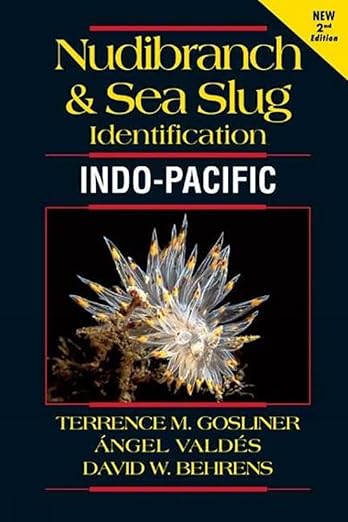
Terrence Gosliner, Ángel Valdés and David Behrens. (2018). Nudibranch and Sea Slug Identification Indo-Pacific 2nd Edition. New World Pubns Inc.
New World Publications
This species, Halgerda terramtuentis, is included in the book.
View on Amazon PR (Amazon Associates)Seasonality
Shooting Locations
Loading shooting locations...
Photos of Halgerda terramtuentis

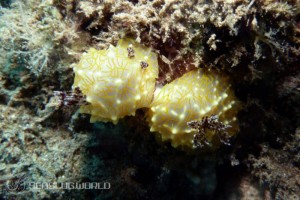
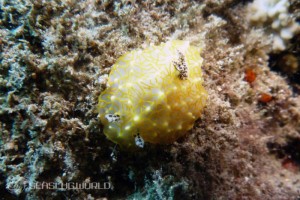
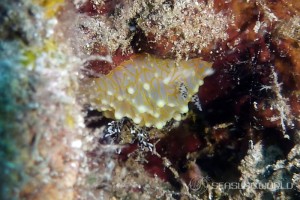
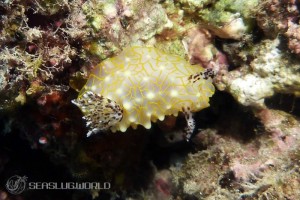


Same Genus Nudibranchs
Similar Colors Nudibranchs

Academic Database
Sea slug observation data is available in international marine biodiversity databases.