Homoiodoris japonica Bergh, 1882
Description
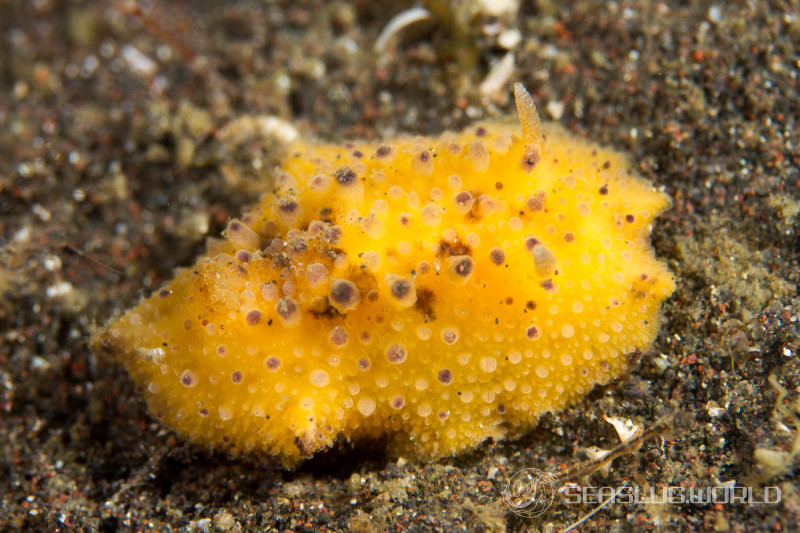
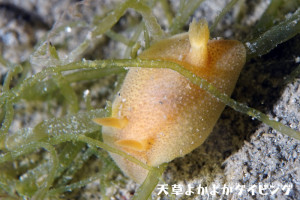
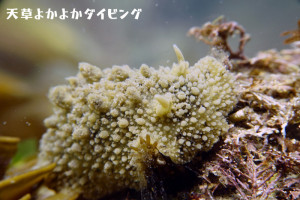
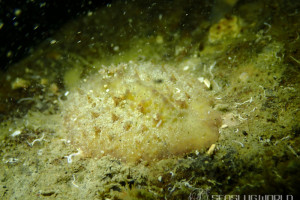
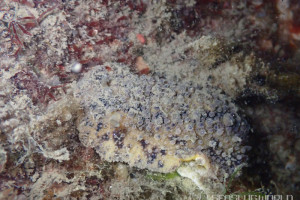
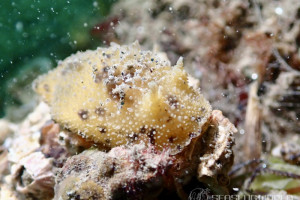
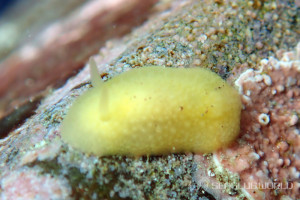
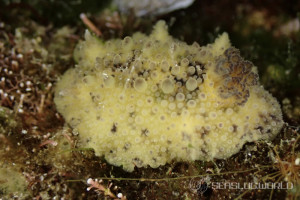
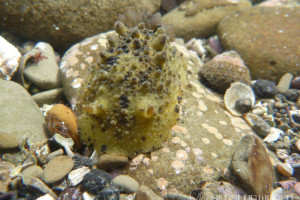
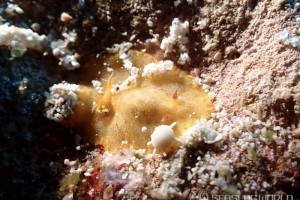
A large dorid nudibranch reaching up to 100 mm in length. The body is oval and somewhat thickened, with ground colour varying from yellow-brown to earthy ochre. The dorsum is densely covered with rounded tubercles of varying sizes, each with a constricted basal stalk and an inflated tip; many tubercle tips are darkened with purplish to dark brown pigment. The rhinophores are the same colour as the body, and the rhinophoral sheath bears small lateral projections on either side. There are five tripinnate gill leaves arranged around the anus, also matching the body colour.Distribution
Type locality is Japan. The species is recorded throughout Japan and from Korea and Hong Kong, indicating a temperate to subtropical East Asian distribution. the 1957 study reported it from Asamushi (Aomori) and Shirikishinai (Hokkaido), confirming its presence in northern Japanese waters.Etymology
The specific epithet japonica is the Latin geographic adjective meaning "of Japan", referring to the type locality. The genus name Homoiodoris combines Greek ὁμοῖος (homoios, "similar to") with Doris, meaning "Doris-like". Bergh erected the genus in the same 1882 paper (Verh. zool.-bot. Ges. Wien 31), with H. japonica fixed as the type species by monotypy.Remarks
The Japanese vernacular name "ヤマトウミウシ" was first proposed by Uchida et al. 1927 in their Japanese animal atlas and adopted in subsequent works including the Imperial Household publication on Sagami Bay opisthobranchs 1949 and the 1957 study. The original description by Bergh was relatively brief and no type material is known to survive; some databases (e.g. Wikispecies) flag the genus as nomen dubium, while WoRMS still treats it as accepted. A modern redescription and molecular reassessment of the genus remain outstanding tasks.References
- やまとうみうし(新稱), 内田清之助ほか. (1927). 日本動物圖鑑. 北隆館.
- ヤマトウミウシ, Baba K. (1949). Opisthobranchia of Sagami Bay collected by His Majesty the Emperor of Japan (相模湾産後鰓類図譜). Iwanami Shoten, Tokyo. 4+2+194+7 pp., pls. 1-50.
- Homoiodoris japonica Bergh Yamato-umiushi, Baba, K. 1957. A revised list of the species of Opisthobranchia from the northern part of Japan, with some additional descriptions. J. Fac. Sci., Hokkaido Univ.,ser. 6, Zool. 13(1-4):8-14.
- 高岡生物研究会. (2002). 日本海のウミウシ. 第2版.
A Kindle field guide by the site author
Kimoto N. (2026). Sea Slugs of Japan & the Indo-Pacific, 2nd Edition.
Kindle Edition
View on Amazon PR (Amazon Associates)Seasonality
Shooting Locations
Loading shooting locations...
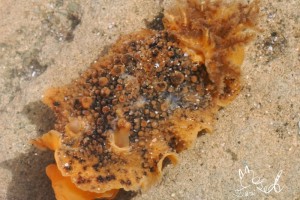
Photos of Homoiodoris japonica


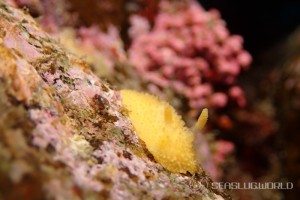
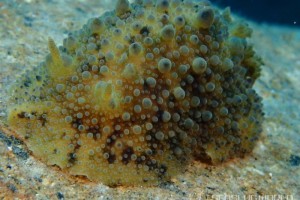
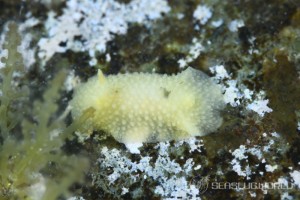
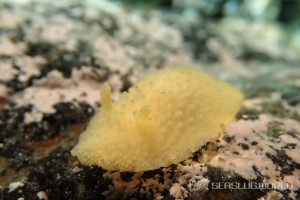
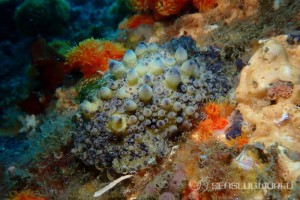

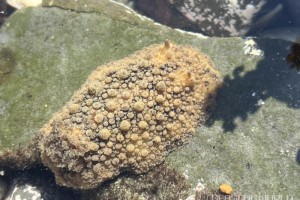
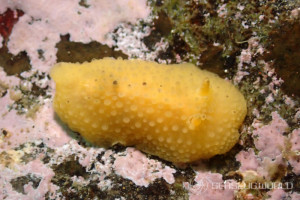

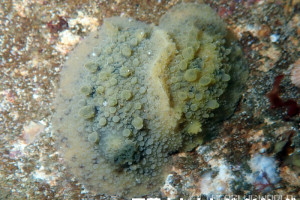

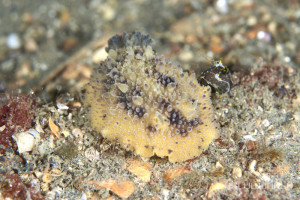

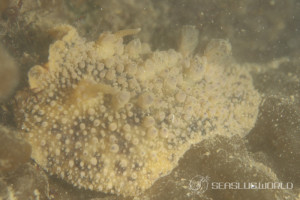

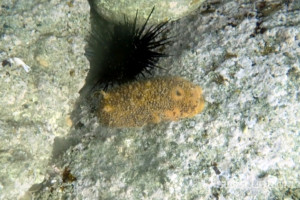

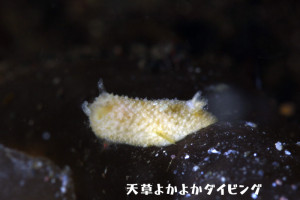




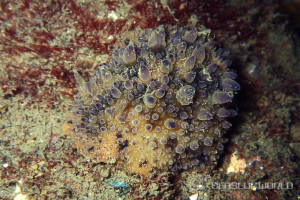

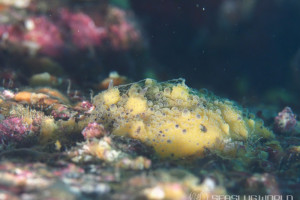
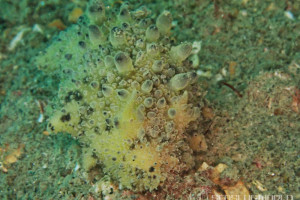

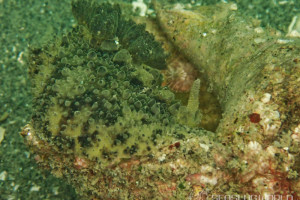
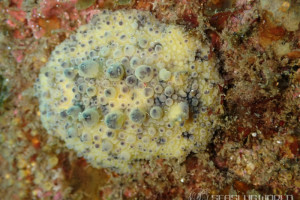
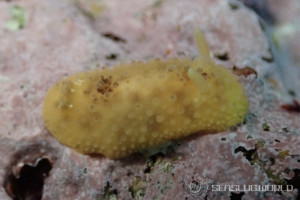
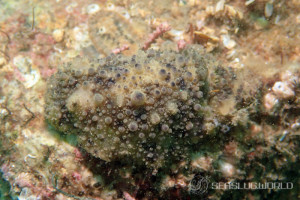
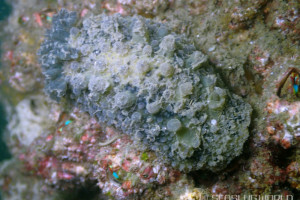

Similar Colors Nudibranchs

Academic Database
Sea slug observation data is available in international marine biodiversity databases.