Scyllaea pelagica Linnaeus, 1758
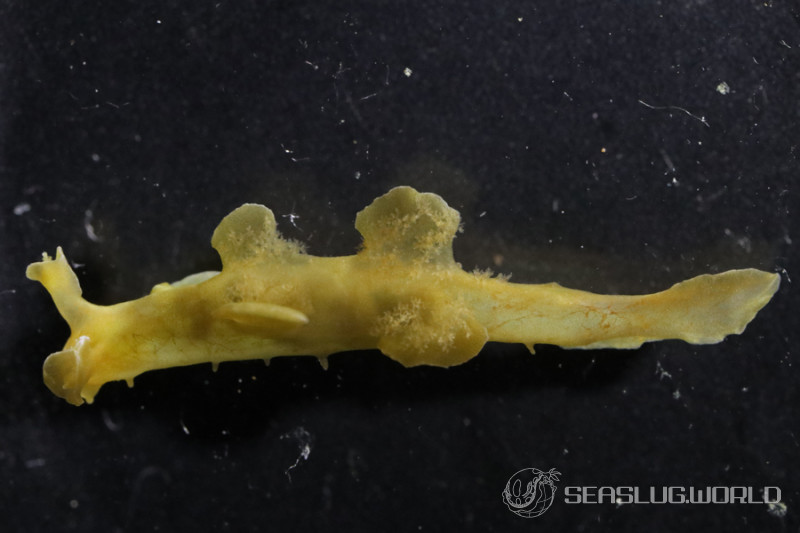
Description
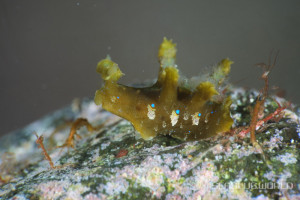
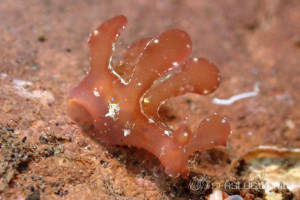
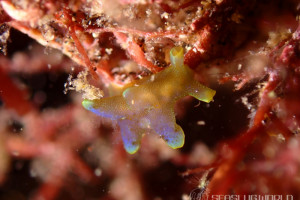
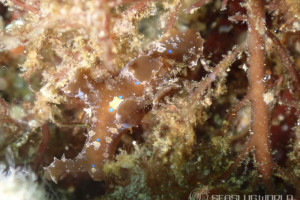
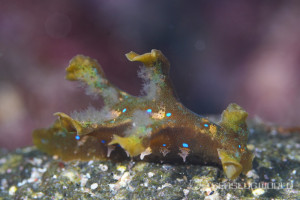
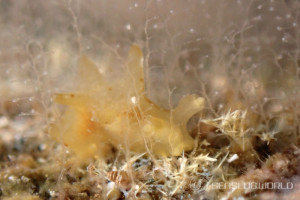
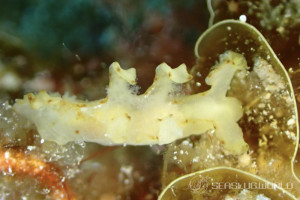
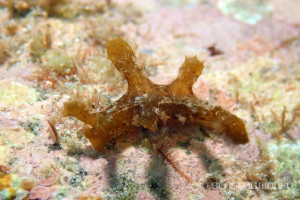
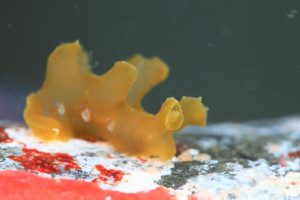
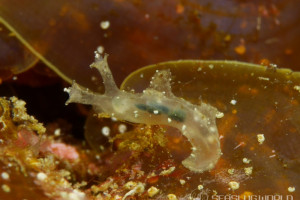
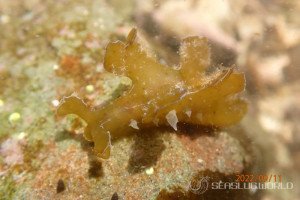
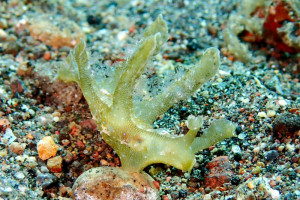
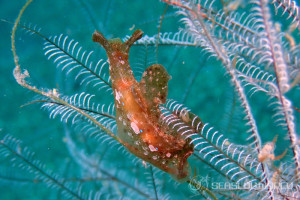
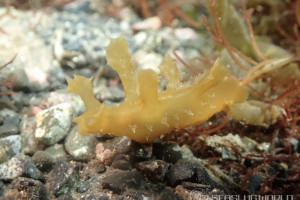
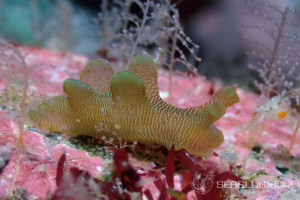
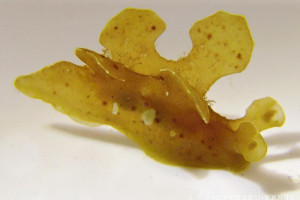
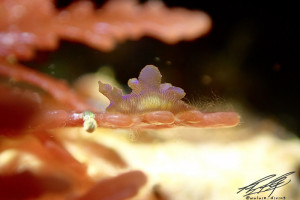
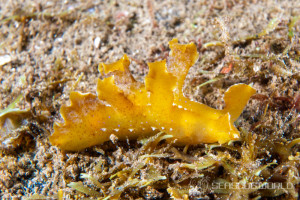
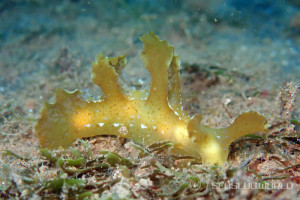
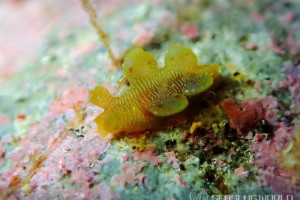
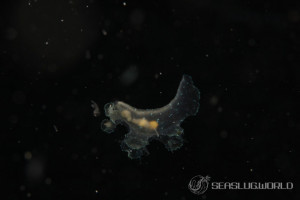
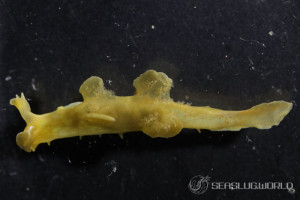
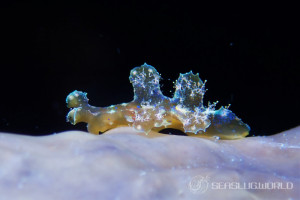
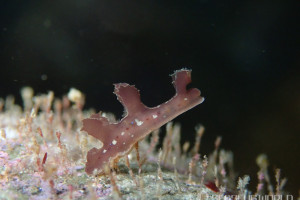
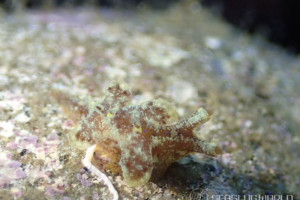
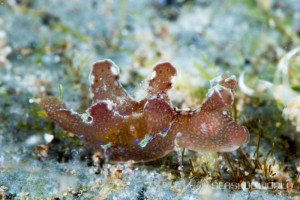
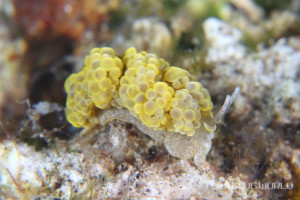
A pelagic dendronotid with a laterally compressed body and a longitudinally grooved dorsum that is used to clamp onto floating algae. Two pairs of large palmate ceratal lobes project upright along the back, each fringed with white claw-like papillae at the apex. The tail is leaf-like, and the dorsal midline carries 4–6 conspicuous bright violet-blue spots. Easily confused with Notobryon wardi.Distribution
Cosmopolitan in tropical and warm-temperate seas, drifting with floating Sargassum and other macroalgae across the Atlantic, Mediterranean, Indian and Pacific Oceans. The type locality is "Pelagi Fuco natante" — open-sea floating seaweed.Etymology
The genus Scyllaea alludes to Scylla, the sea monster of Greek mythology. The specific epithet pelagica is the Latin feminine of pelagicus, "of the open sea", in reference to the species' pelagic, Sargassum-rafting habit.Remarks
Originally described in Systema Naturae, 10th edition (Holmiae, 1758) and reprised in the 12th edition (1767: 1094 §294 sp.1). Linnaeus had earlier figured the same animal as "Lepus pelagicus" in his Museum Adolphi Friderici (1754: 55). The genus Scyllaea was erected by Linnaeus in 1758 with this species as type. Feeds on hydroids growing on floating algae.References
- Scyllaea pelagica, Linnaeus C. (1758). Systema Naturae per regna tria naturae, secundum classes, ordines, genera, species, cum characteribus, differentiis, synonymis, locis. Editio decima, reformata. Tomus I. Laurentius Salvius, Holmiae. 824 pp.
- オキウミウシ, Baba K. (1949). Opisthobranchia of Sagami Bay collected by His Majesty the Emperor of Japan (相模湾産後鰓類図譜). Iwanami Shoten, Tokyo. 4+2+194+7 pp., pls. 1-50.
- 高岡生物研究会. (2002). 日本海のウミウシ. 第2版.
- Crosslandia sp. 1 ?, Terrence Gosliner, Ángel Valdés and David Behrens. (2015). Nudibranch and Sea Slug Identification Indo-Pacific. New World Pubns Inc.
- シロスジコチョウウミウシ*(新称), 中野理枝, 朝倉知子, 池田紫, 石川雅教, 今本淳, 岩瀬南美, 西田和記, 堀江諒, 山田久子 & 渡井久美. (2017). 奄美大島北部海域における後鰓類相の調査報告. Kuroshio Biosphere. 13: 1-18 + 6 pls.
Featured in this book

Terrence Gosliner, Ángel Valdés and David Behrens. (2018). Nudibranch and Sea Slug Identification Indo-Pacific 2nd Edition. New World Pubns Inc.
New World Publications
This species, Scyllaea pelagica, is included in the book.
View on Amazon PR (Amazon Associates)Seasonality
Shooting Locations
Loading shooting locations...
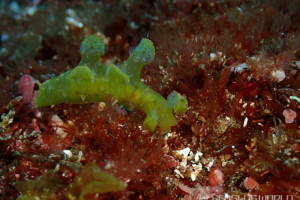
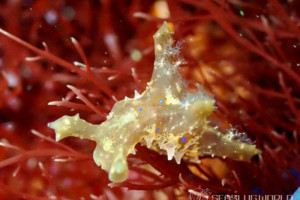
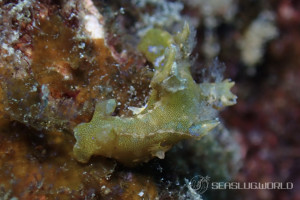
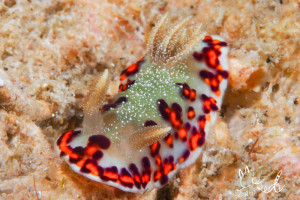
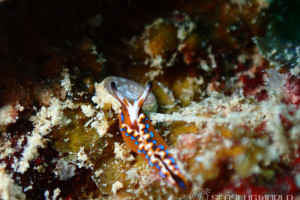
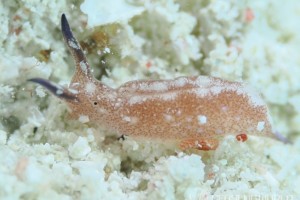
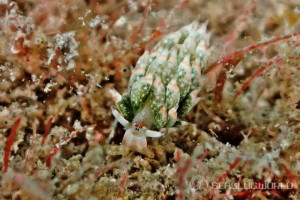
Photos of Scyllaea pelagica























Same Genus Nudibranchs
Similar Colors Nudibranchs
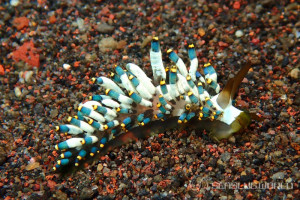
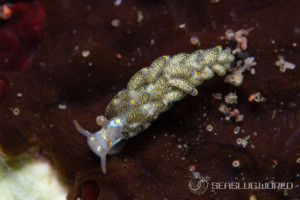
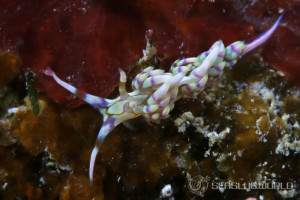


Academic Database
Sea slug observation data is available in international marine biodiversity databases.