Phanerophthalmus anettae Austin, Gosliner & Malaquias, 2018
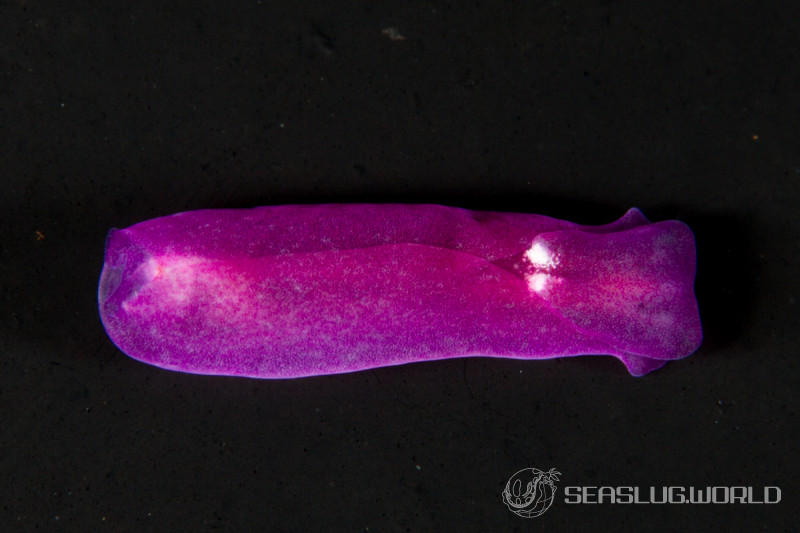
- Location
- Taketomi South, Ishigaki and Yaeyama, Okinawa, Japan
- Date
- 2017/02/14
- Length
- 10mm
- Depth
- 6.0m
- Water temperature
- 24.0℃
Description
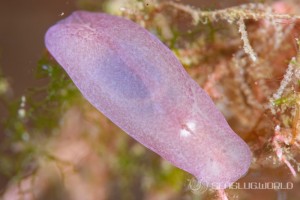
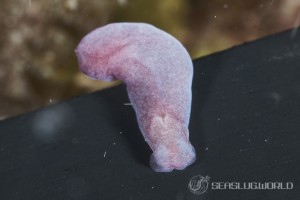
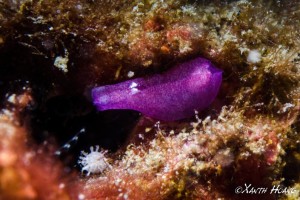
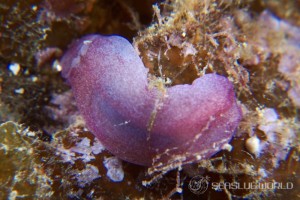
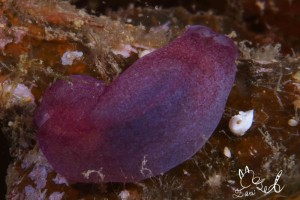
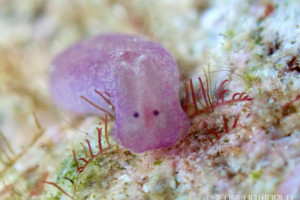
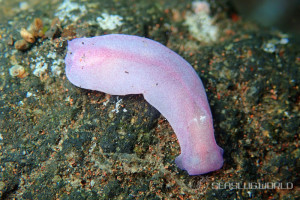
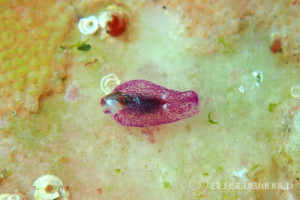
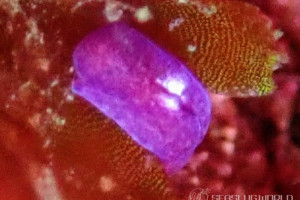
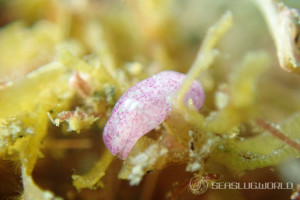
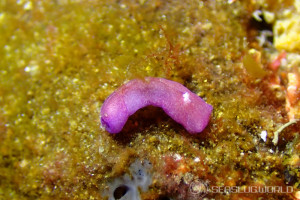
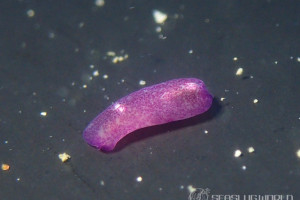
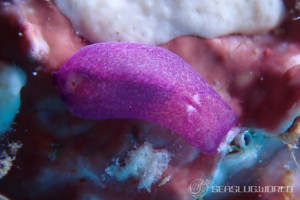
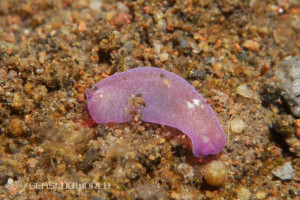
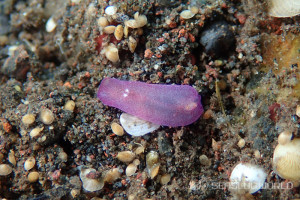
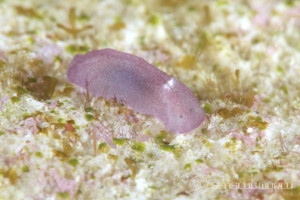
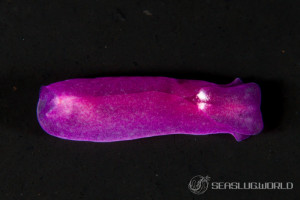
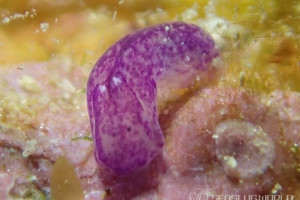
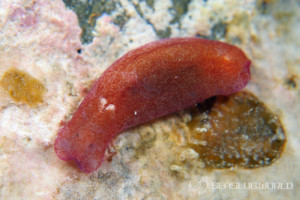
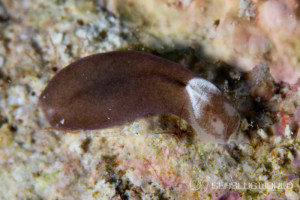
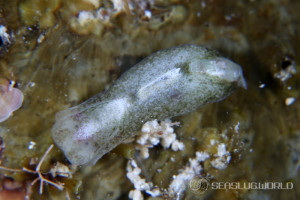
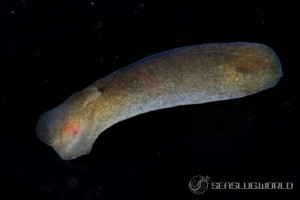
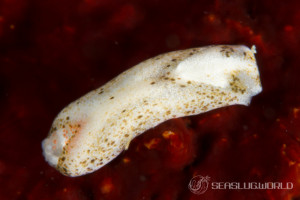
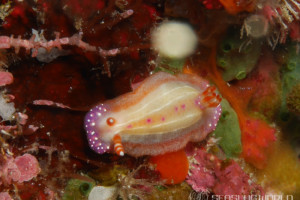
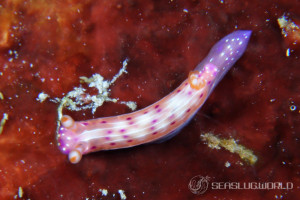
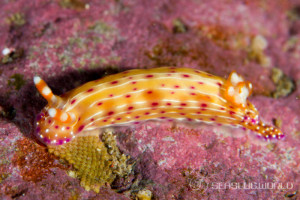
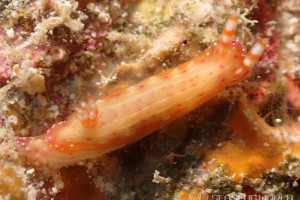
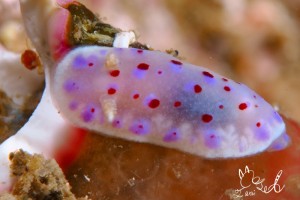
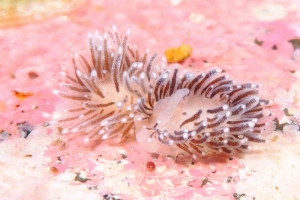
Maximum TL = 20 mm (in live specimen). Body cylindrical, elongate, translucent-light purple to nearly reddish. Cephalic shield triangular, notched, ending in posterior lobes, slightly separated, with clusters of white pigment at posterior part of lobes or packed and restricted only to tip of lobes. Left parapodial lobe overlapping right lobe. Shell not visible. Eyes visible; periocular area pigmented. Maximum shell H = 5 mm (spc. TL = 20 mm); plate-like, thin, fragile, white to translucent; squarish oval, left side straight, right side slightly convex; shoulder present, pointed; anterior slightly angled, oblique and rounded. Jaws semi-circular, elongate; rods ending in finger-like denticles. Radula formula 47×9.1.9 (fixed spc. TL = 5 mm) and 38×12.1.12 (spc. TL = 22 mm); lateral teeth hook-shaped with wide base, narrow-elongated pointed cusp with slimmer edges; rachidian with central cusp surrounded by broad rounded brim and one smaller cusp on either side. Gizzard plates with single row of rods on top of ridges. Penial sheath broader than seminal duct; seminal duct slender, three times the length of penial sheath; prostate elongate, bulbous.Distribution
West to Central Pacific, the Ryukyu Islands of Japan, the Philippines, Hawaii and French Polynesia (Fig. 24). Subtidal between depths of 7 and 25 m, on sandy substrate among rubble and Halimeda beds.Etymology
Verbatim from the original description (Austin et al. 2018, Invertebrate Systematics 32: 1376):This species is named after Anette Hus Lutro, friend and previous flatmate of the first author of this work for her very important and much appreciated help and friendship during the final writing of this piece of research.
Remarks
Described as a new species in a 2018 systematic revision of Phanerophthalmus. The authors noted:Because of the morphological resemblance between P. anettae and its sister species P. purpura, discrimination is nearly impossible, nevertheless molecular analyses support their distinctiveness ... Phanerophthalmus anettae is distinguished from all other species in the genus by the presence of five synapomorphies in the region of the COI gene here studied ... and from its sister species P. purpura by 70 unique mutations. DNA is at the moment the only way to confidently separate these two sympatric species, which overlap distributions in the Coral Triangle. However, based on current data, P. anettae has a wider eastwards distribution including Hawaii and French Polynesia(p.1376). Smaller specimens are much paler than intense purple adults and have clusters of white pigment in the cephalic lobes; in adults the white pigment is reduced and concentrated on the tip of the cephalic lobes.
References
- チョウチョウミドリガイ, 小野篤司. (2004). 沖縄のウミウシ. ラトルズ.
- チョウチョウミドリガイ, 中野理枝. (2004). 本州のウミウシ. ラトルズ.
- ナスコンチョウチョウミドリガイ(新称), 中野理枝, 今川郁 & 今本淳. (2013). 南西諸島の後鰓類1. 頭楯亜目. ちりぼたん. 43(1-4): 1-22.
- Austin J., Gosliner T. & Malaquias M.A.E. (2018). Systematic revision, diversity patterns and trophic ecology of the tropical Indo-West Pacific sea slug genus Phanerophthalmus A. Adams, 1850 (Cephalaspidea, Haminoeidae). Invertebrate Systematics. 32(6): 1336-1387. https://doi.org/10.1071/is17086
- ナスコンチョウチョウミドリガイ, 中野理枝. (2018). 日本のウミウシ. 文一総合出版.
- Phanerophthalmus sp. 9, Terrence Gosliner, Ángel Valdés and David Behrens. (2018). Nudibranch and Sea Slug Identification Indo-Pacific 2nd Edition. New World Pubns Inc.
- Oskars T.R., Too C.C., Rees D., Mikkelsen P.M., Willassen E. & Malaquias M.A.E. (2019). A molecular phylogeny of the gastropod family Haminoeidae sensu lato (Heterobranchia: Cephalaspidea): a generic revision. Invertebrate Systematics 33(3): 426-472.
Featured in this book
Terrence Gosliner, Ángel Valdés and David Behrens. (2018). Nudibranch and Sea Slug Identification Indo-Pacific 2nd Edition. New World Pubns Inc.
New World Publications
This species, Phanerophthalmus anettae, is included in the book.
View on Amazon PR (Amazon Associates)Seasonality
Shooting Locations
Loading shooting locations...
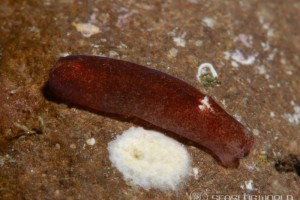
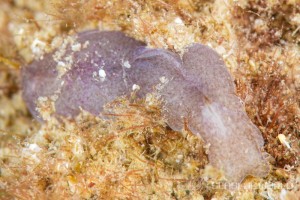
Photos of Phanerophthalmus anettae


















Same Genus Nudibranchs

Similar Colors Nudibranchs
Academic Database
Sea slug observation data is available in international marine biodiversity databases.