Aplysia juliana Quoy & Gaimard, 1832
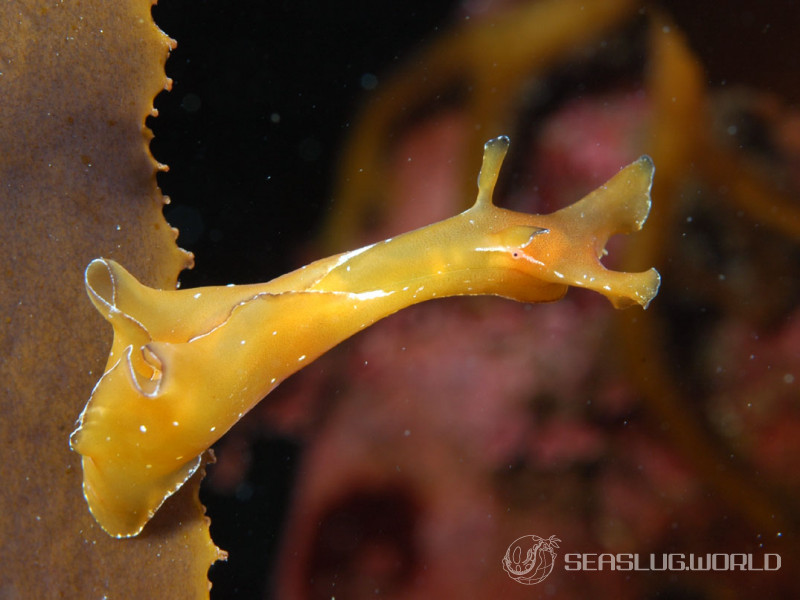
Description
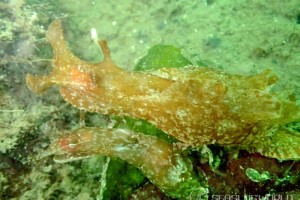
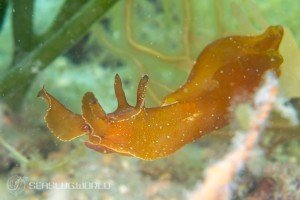
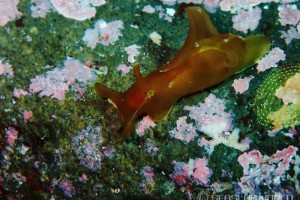
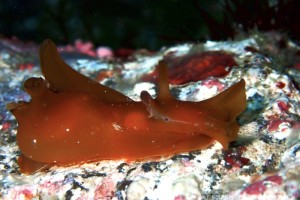
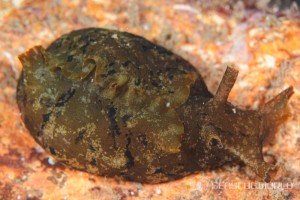
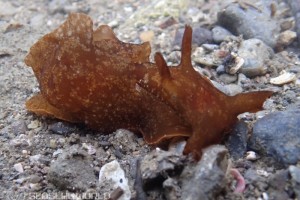
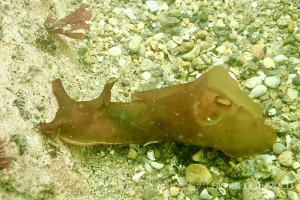
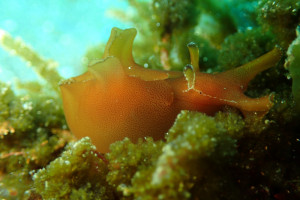
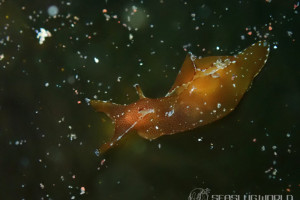
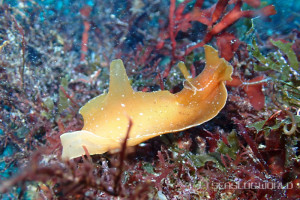
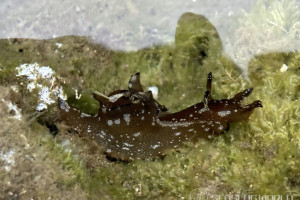
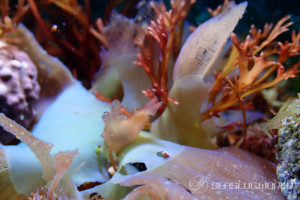
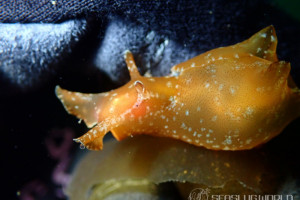
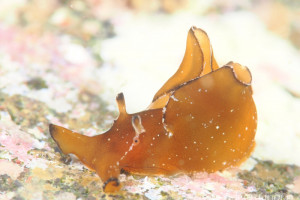
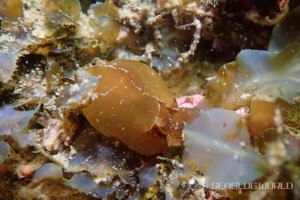
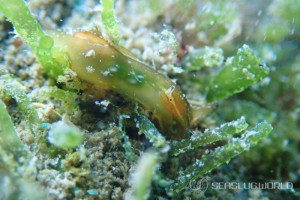
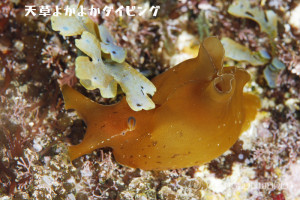
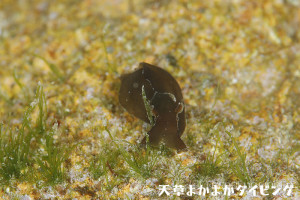
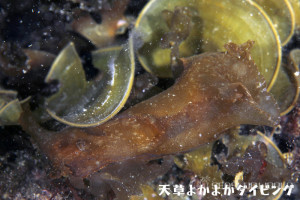
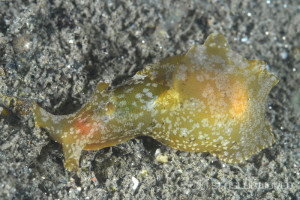
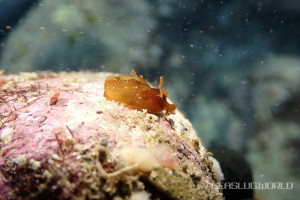
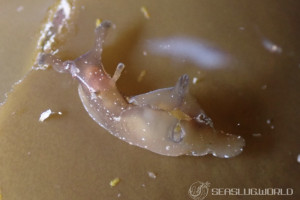
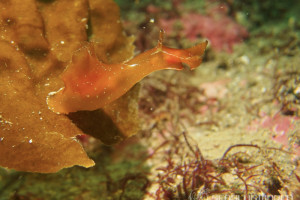
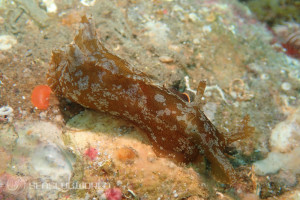
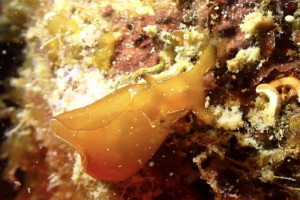
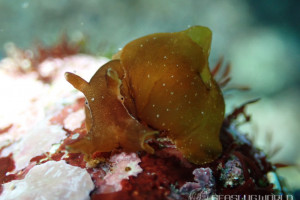
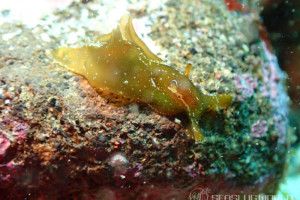
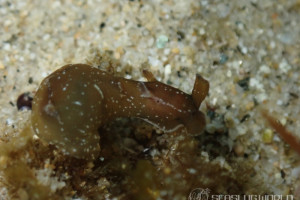
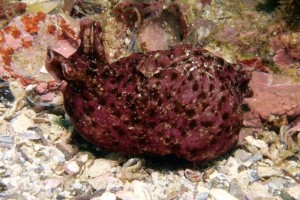
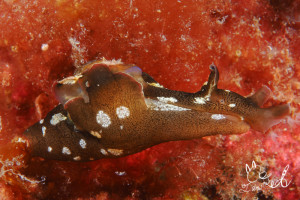
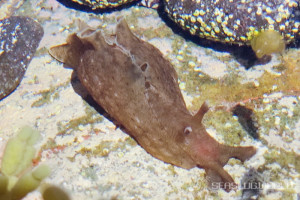
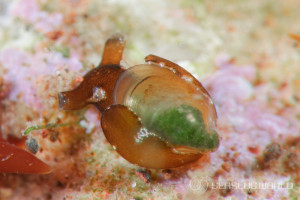
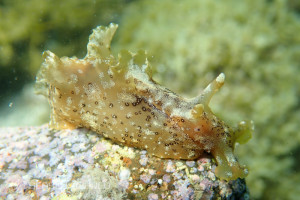
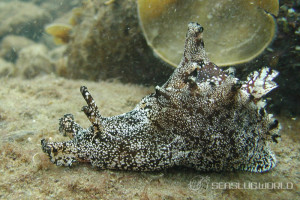
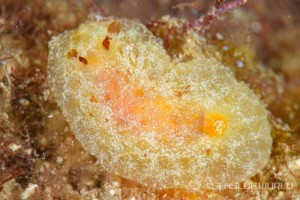
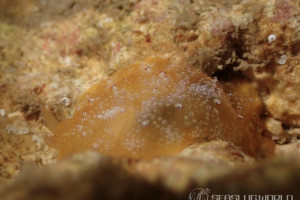
A medium- to large-sized sea hare reaching over 100 mm in body length. Body coloration is variable, ranging from brown and greenish-brown to dark brown, with pale spots in some individuals and almost uniformly dark or blackish forms in others. The shell is thin and internal. The most distinctive feature of Aplysia juliana is the posterior end of the foot, which can form a temporary sucker; the animal anchors itself with this sucker and greatly extends its head and neck forward, somewhat like a leech. Unlike most congeners, this species does not release purple ink, producing only a milky white secretion from the opaline gland.Distribution
A circumglobal species occurring throughout the warm-temperate and tropical regions of the Indian, Pacific, and Atlantic Oceans. Records include South Africa, Madagascar, Australia, New Zealand, Hong Kong, Taiwan, Korea, Japan, Hawaii, the Gulf of Mexico, and Peru. In Japan, Usuki 1981a/1981b documented winter recruitment and post-metamorphic growth of juveniles in the Sado Island population in detail.Etymology
From the Latinised personal name juliana. Quoy & Gaimard 1832 gave no explicit reason for the name in the original description.Remarks
A herbivore feeding mainly on green algae, especially Ulva species; young individuals show maximum growth efficiency on Ulva fasciata. The Japanese name "Amakusa-amefurashi" derives from the Amakusa region of Kumamoto Prefecture, and the 1957 study recorded this species under the then-used synonym Aplysia sibogae Bergh, 1905. The specific name of A. juliana was conserved by the International Commission on Zoological Nomenclature (Opinion 1844, 1996).References
- アマクサアメフラシ, Baba K. (1949). Opisthobranchia of Sagami Bay collected by His Majesty the Emperor of Japan (相模湾産後鰓類図譜). Iwanami Shoten, Tokyo. 4+2+194+7 pp., pls. 1-50.
- Aplysia sibogae Bergh Amakusa-amefurashi, Baba, K. 1957. A revised list of the species of Opisthobranchia from the northern part of Japan, with some additional descriptions. J. Fac. Sci., Hokkaido Univ.,ser. 6, Zool. 13(1-4):8-14.
- アマクサアメフラシ, 高岡高等学校生物研究会(編). (1964). 富山湾産後鰓類図譜.
- Aplysia juliana, Usuki I. (1981). Growth Characteristics of the Early Juvenile of Aplysia juliana Collected in Winter. Venus, Japanese Journal of Malacology. 39(4): 212-223.
- Aplysia juliana, Usuki I. (1981). Ontogenetic Allometry of the Shell and Soft Body of Aplysia juliana. Venus, Japanese Journal of Malacology. 40(1): 41-49.
- 高岡生物研究会. (2002). 日本海のウミウシ. 第2版.
A Kindle field guide by the site author
Kimoto N. (2026). Sea Slugs of Japan & the Indo-Pacific, 2nd Edition.
Kindle Edition
View on Amazon PR (Amazon Associates)Seasonality
Shooting Locations
Loading shooting locations...
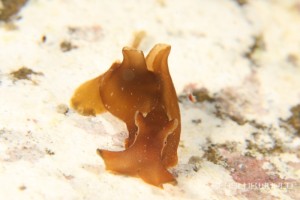
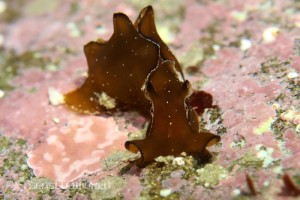
Photos of Aplysia juliana























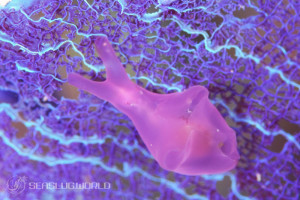
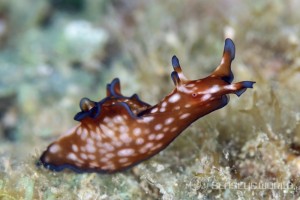
Same Genus Nudibranchs
Similar Colors Nudibranchs

Academic Database
Sea slug observation data is available in international marine biodiversity databases.