Bullina vitrea Pease, 1860
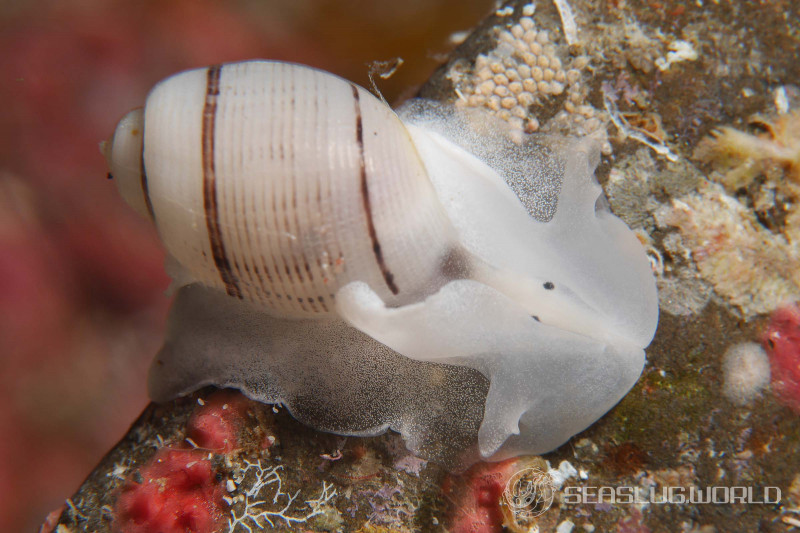
- Location
- Yaene, Hachijo Island, Tokyo, Japan
- Date
- 2020/08/03
- Length
- 10mm
- Depth
- 10.0m
- Water temperature
- 25.0℃
Description
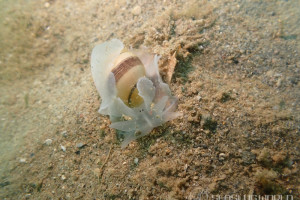
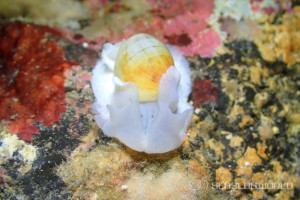
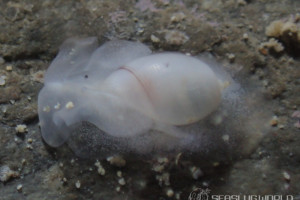
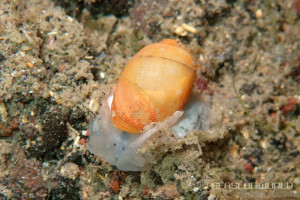
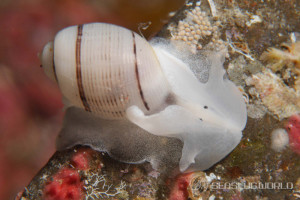
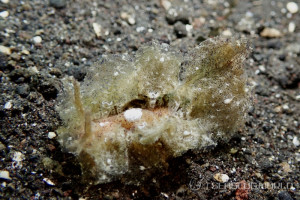
A small cephalaspidean reaching about 10 mm in shell length. The shell is ovate, thin and fragile, of a glassy translucent white. The body whorl carries one or two sets of two or three fine transverse black lines, the interstices being finely punctured. The spire is obtuse, the apex acute, the whorls four; the aperture is oval and dilated at the base, with a slight fold at the base of the columella. The shell is umbilicate, not imperforate. Pease's type-material is from Cuming's collection of Sandwich Islands shells; the number and arrangement of the transverse colour-bands varies from specimen to specimen.Distribution
Indo-Pacific. Type locality: Sandwich Islands (Hawaiian Islands), based on specimens in the Cuming collection described by Pease. Subsequently recorded from the Hawaiian Islands, the Mariana Islands, Guam, Fiji, southern Japan, Taiwan, the Philippines and elsewhere.Etymology
The specific epithet vitrea is the feminine of Latin vitreus ("of glass, glassy"), in reference to the thin, translucent, glass-like appearance of the shell. Pease did not state an etymology in the original description.Remarks
Originally placed by Pease in Bullina (Bullidae). Pease noted in his preliminary remarks that the species "does not agree with the Bullinae, but I can place it nowhere else, unless with the Hydatinae". Modern classifications assign the species to the family Aplustridae (= Hydatinidae). The Japanese name "クロスジシボリ" refers to the dark transverse bands and the finely punctured "tie-dye" pattern of the shell.References
Featured in this book
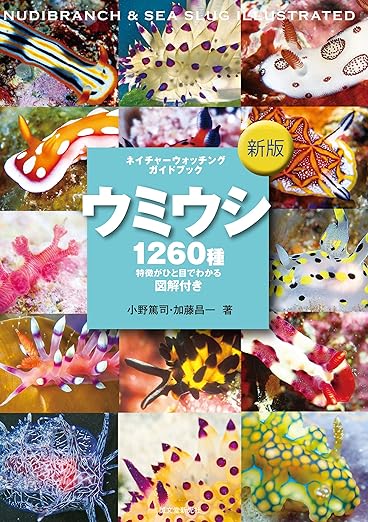
小野篤司 & 加藤昌一. (2020). 新版 ウミウシ. 誠文堂新光社.
誠文堂新光社
This species, Bullina vitrea, is included in the book.
View on Amazon PR (Amazon Associates)Seasonality
Shooting Locations
Loading shooting locations...
Photos of Bullina vitrea
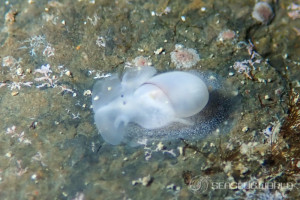

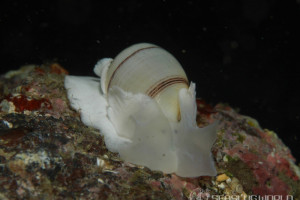





Same Genus Nudibranchs
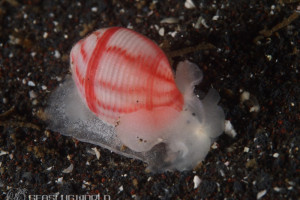
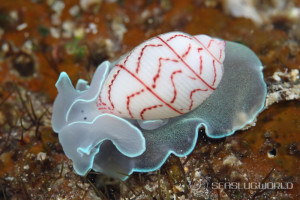
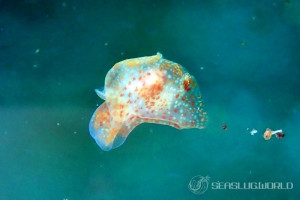
Similar Colors Nudibranchs
Academic Database
Sea slug observation data is available in international marine biodiversity databases.