Embletonia gracilis Risbec, 1928
Description
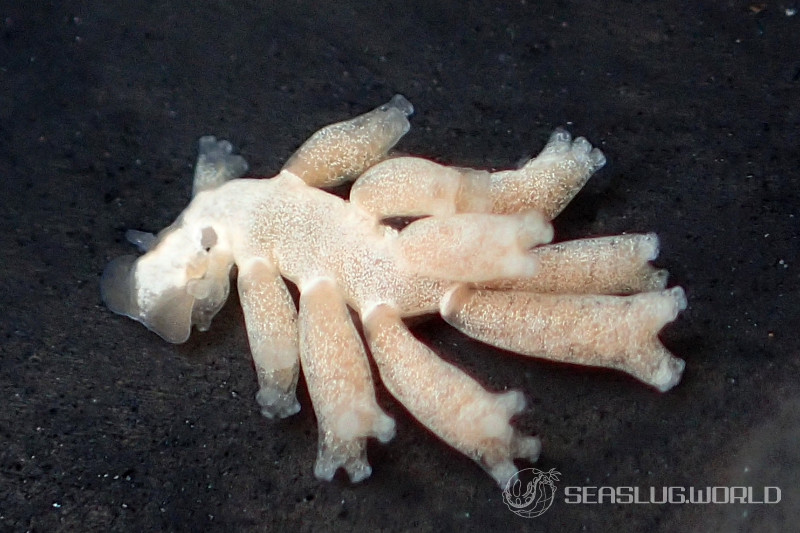
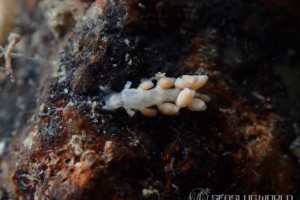
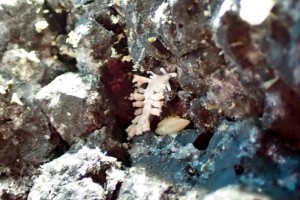
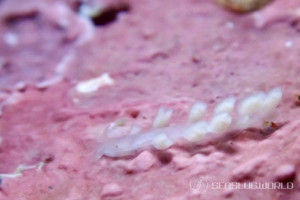
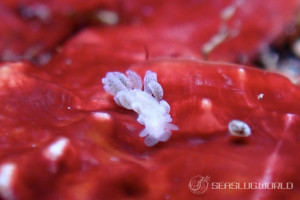
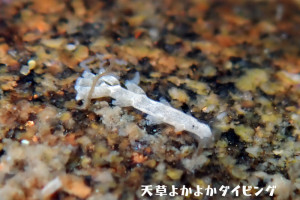
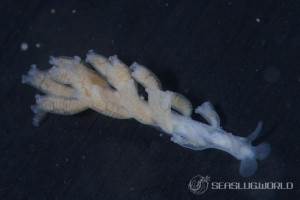
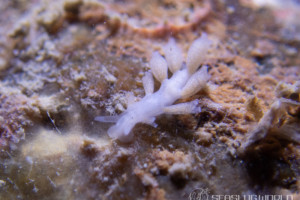
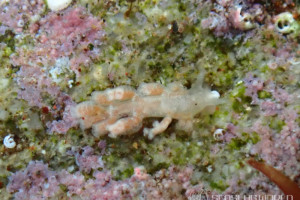
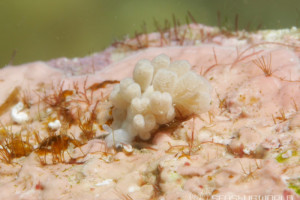
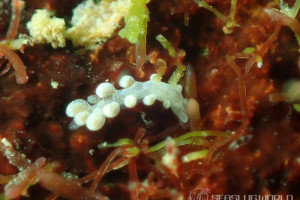
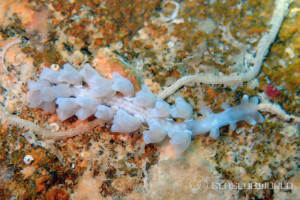
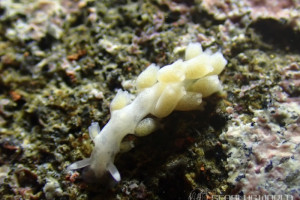
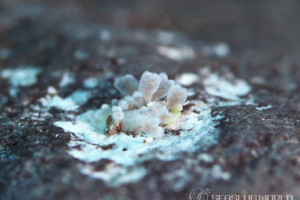
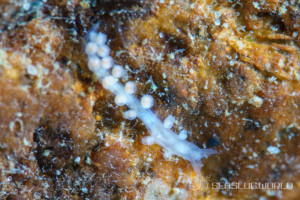
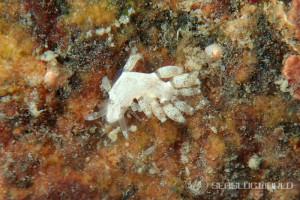
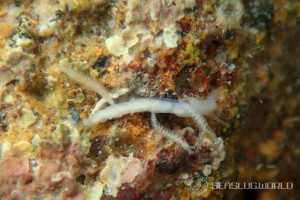
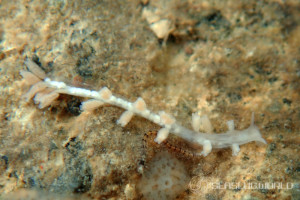
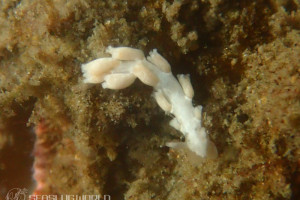
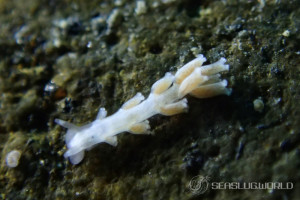
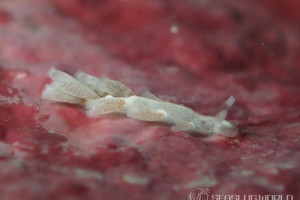
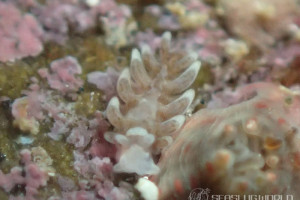
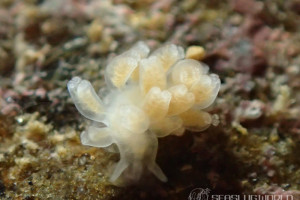
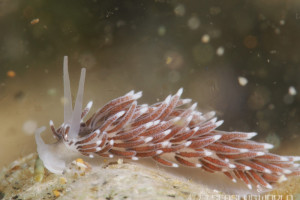
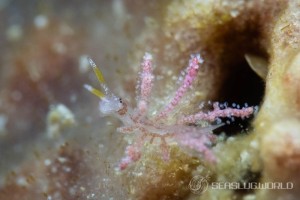
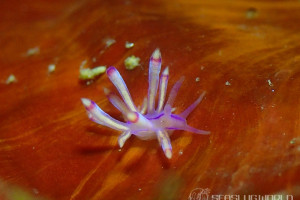
A small to medium-sized aeolid reaching about 30 mm in body length. Ground colour is translucent white. The cerata are short and stout, branching at the tip into 2-4 finger-like extensions — a distinctive feature of the species. The colour of the digestive gland inside the cerata varies with diet, ranging from white through pale yellow to pink. The rhinophores are short and smooth, basally the ground colour.Distribution
Widely distributed across the Indo-West Pacific, with records from Tanzania, Christmas Island, Australia, New Caledonia, Papua New Guinea, the Philippines, Japan, the Mariana Islands, Midway Atoll, Hawaii, and the western coast of Mexico. The species occurs on hydroid colonies on coral and rocky reefs.Etymology
The specific epithet gracilis is Latin for "slender, graceful", in reference to the elongate and delicate body form.Remarks
A hydroid-feeder; egg masses are often laid directly on the host hydroid. Embletonia gracilis paucipapillata Baba & Hamatani, 1963 is treated as a junior synonym. The genus Embletonia has long been of uncertain phylogenetic placement; recent molecular analyses (Karmeinski et al., 2021 and others) place it in an isolated position within the Aeolidida that does not fall clearly within any current family.References
- Embletonia gracilis (genus Embletonia), Alder J. & Hancock A. (1851). A monograph of the British Nudibranchiate Mollusca. Part VII. London: Ray Society. (Family 3, Embletoniadae: pp. 49-50.)
- Embletonia gracile, Risbec J. (1928). Contribution à l'étude des nudibranches néo-calédoniens. Faune des Colonies françaises, Tome II: 1-328, 12 pls. (Société d'Éditions géographiques, maritimes et coloniales, Paris). [doctoral thesis monograph]
- Embletonia gracile RISBEC, 1928 Yotsumata-minoumiushi (n. n.), Baba K. (1959). A NEW RECORD OF AN INTERESTING SPECIES, EMBLETONIA GRACILE RISBEC, FROM JAPAN (NUDIBRANCHIA-EOLIDACEA). Publications of the Seto Marine Biological Laboratory. 7(3): 335-336. https://doi.org/10.5134/174634
- ヨツマタミノウミウシ, 小野篤司. (1999). ウミウシガイドブック. TBSブリタニカ.
- イズミヨツマタミノウミウシ, 奥谷喬司. (2000). 日本近海産貝類図鑑. 東海大学出版会.
- ヨツマタミノウミウシ, 小野篤司. (2004). 沖縄のウミウシ. ラトルズ.
- ヨツマタミノウミウシ, 中野理枝. (2004). 本州のウミウシ. ラトルズ.
- Embletonia gracilis, Terrence Gosliner, Ángel Valdés and David Behrens. (2015). Nudibranch and Sea Slug Identification Indo-Pacific. New World Pubns Inc.
- ヨツマタウミウシ(改称), 中野理枝. (2018). 日本のウミウシ. 文一総合出版.
Featured in this book
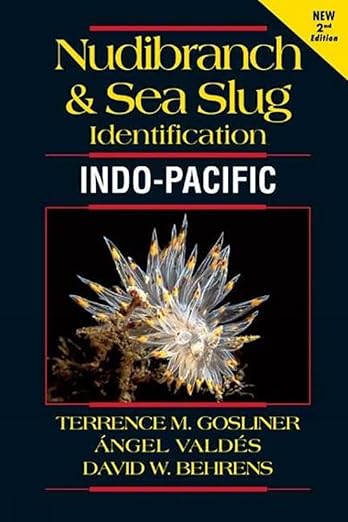
Terrence Gosliner, Ángel Valdés and David Behrens. (2018). Nudibranch and Sea Slug Identification Indo-Pacific 2nd Edition. New World Pubns Inc.
New World Publications
This species, Embletonia gracilis, is included in the book.
View on Amazon PR (Amazon Associates)Seasonality
Shooting Locations
Loading shooting locations...
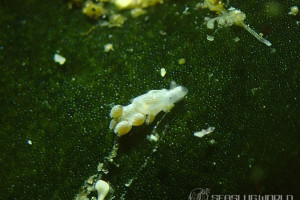
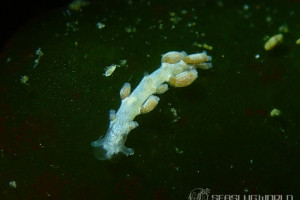
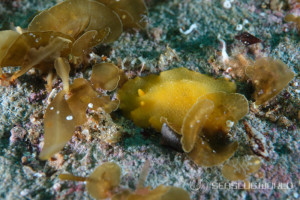
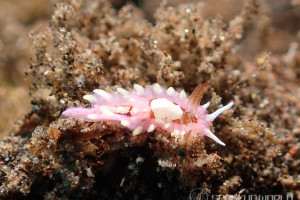
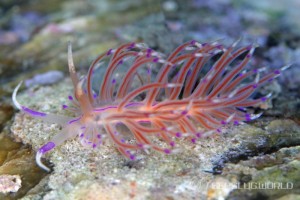
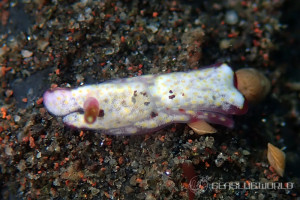
Photos of Embletonia gracilis









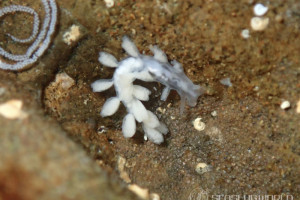
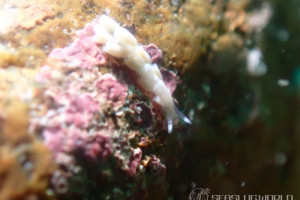

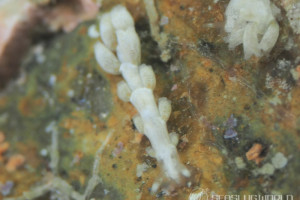

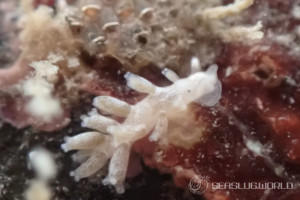










Similar Colors Nudibranchs

Academic Database
Sea slug observation data is available in international marine biodiversity databases.