Ceratodoris barnardi (Baba, 1937)
Description
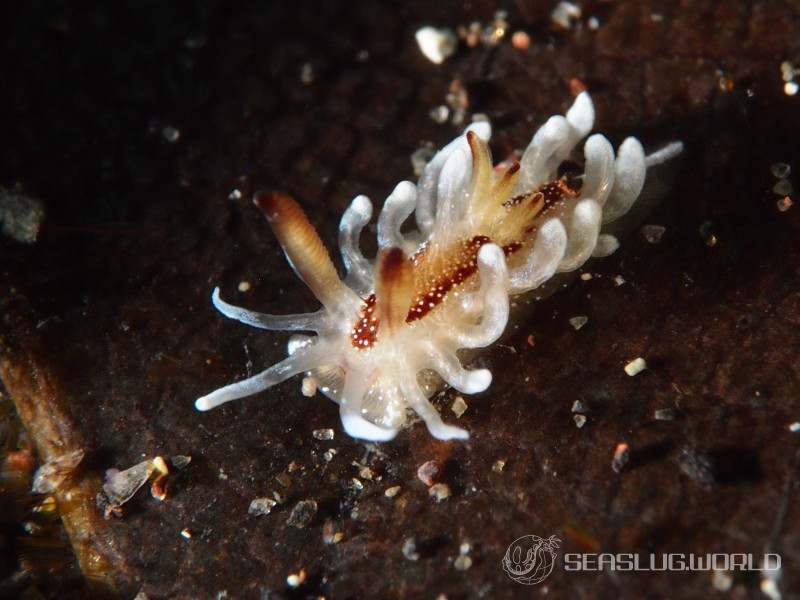
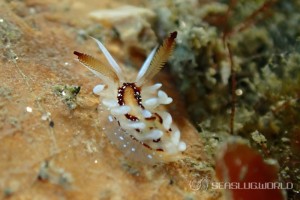
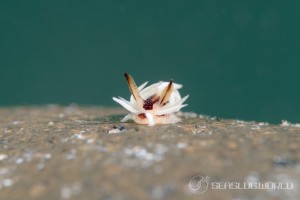
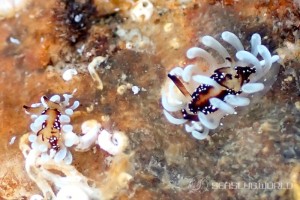
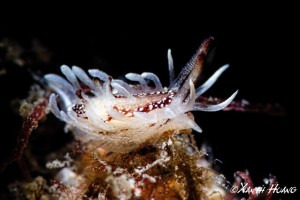
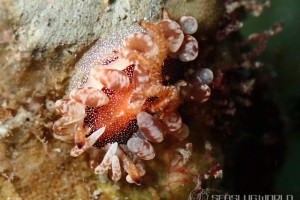
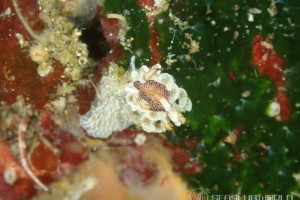
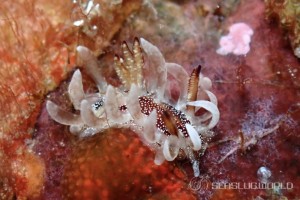
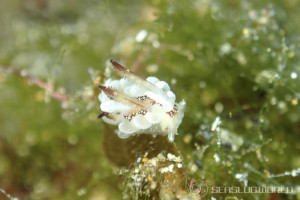
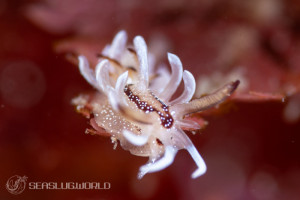
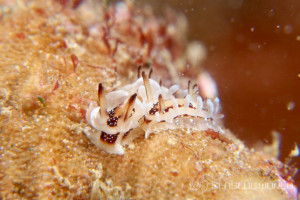
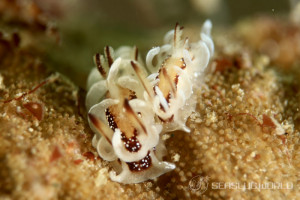
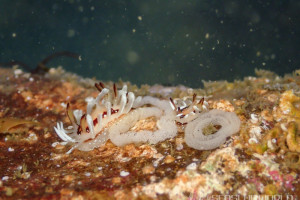
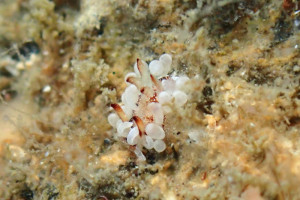
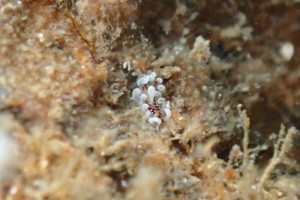
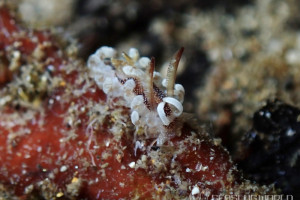
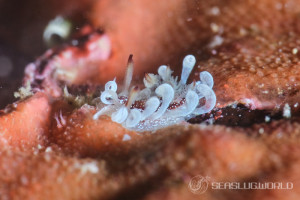
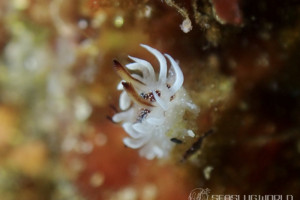
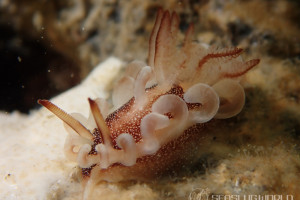
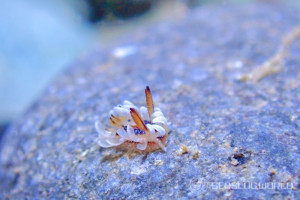
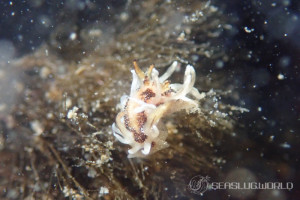
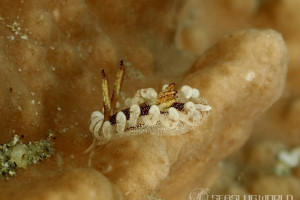
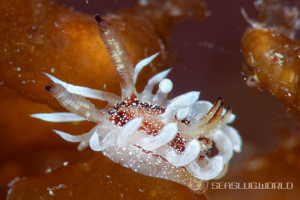
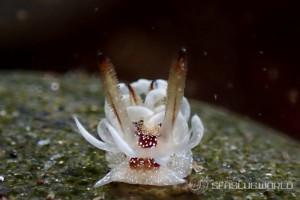
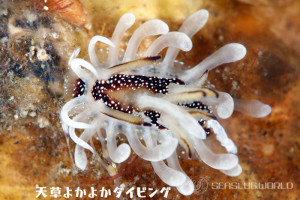
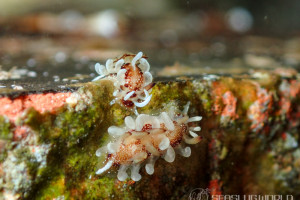
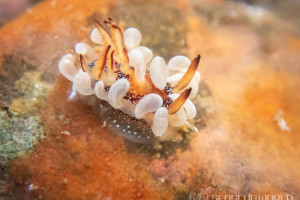
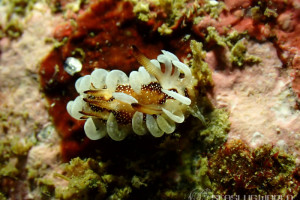
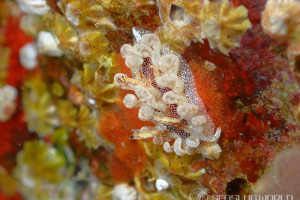
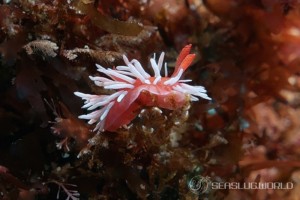
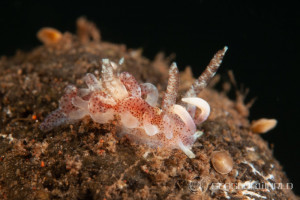
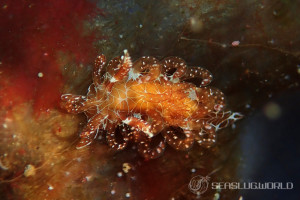
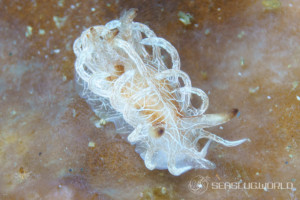
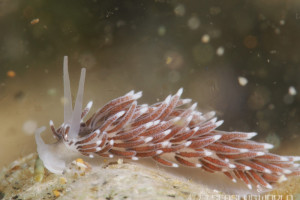
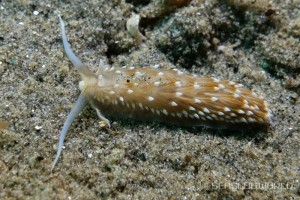
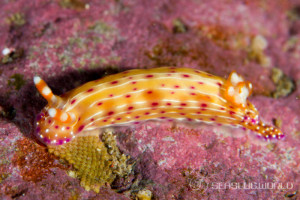
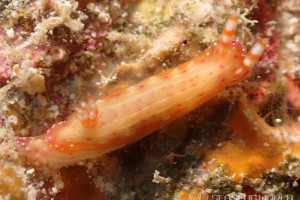
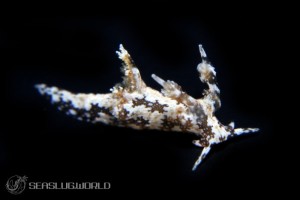
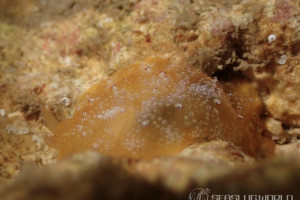
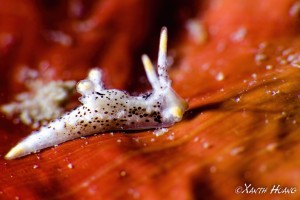
A small aeolidiform species, about 10 mm in length when alive. The back is bordered by a low pallial ridge bearing 16 slender clavate papillae, eight on each side, with the posterior ones bifurcate. The rhinophores are slender and non-retractile, with most of their length occupied by a perfoliate clavus. The gill consists of seven simple, non-retractile pinnate plumes arranged around the anus. Above the mouth is an oral veil, produced laterally into a pair of tentacular expansions. The back and sides are nearly smooth; the tail is produced behind. The foot is large and expanded. The genital orifice lies on the right side, well behind the level of the rhinophores. The labial armature forms a semicircle of closely-set hooks, each bearing 5–7 irregular denticles at the tip.Coloration
Ground colour yellowish-white. A dark chocolate band runs along the inner side of the back margin, becoming brownish toward the centre. A similar band borders the sides of the body. Opaque white spots are scattered on the back and sides. Rhinophores and branchial plumes are chocolate-coloured.Distribution
Type locality: Tomioka, Amakusa, Japan (May 1933).Etymology
The original description (Baba, 1937) states: "I propose to call it Okenia barnardi, after my friend Dr. K. H. Barnard of the South African Museum, who assisted me in identifying the species." A dedication to Keppel Harcourt Barnard (1887–1964), South African malacologist and carcinologist who helped Baba identify the specimens.Remarks
Originally described as Okenia (Idaliella) barnardi, placed in the subgenus Idaliella on the basis of the absence of papillae at the centre of the back. Later transferred to the genus Ceratodoris. Distinguished from other species of the group by the lack of mid-dorsal papillae, external coloration, and the form of the labial armature.References
- Okenia (Idaliella) barnardi, Baba K. (1937). Opisthobranchia Of Japan (II). Journal of the Faculty of Agriculture, Kyushu University. 5(7): 289-344. https://doi.org/10.5109/22586
- 高岡生物研究会. (2002). 日本海のウミウシ. 第2版.
- Paz-Sedano S., Moles J., Smirnoff D., Gosliner T.M. & Pola M. (2024). A combined phylogenetic strategy illuminates the evolution of Goniodorididae nudibranchs (Mollusca, Gastropoda, Heterobranchia). Molecular Phylogenetics and Evolution. 192: 107990. https://doi.org/10.1016/j.ympev.2023.107990
A Kindle field guide by the site author
Kimoto N. (2026). Sea Slugs of Japan & the Indo-Pacific, 2nd Edition.
Kindle Edition
View on Amazon PR (Amazon Associates)Seasonality
Shooting Locations
Loading shooting locations...
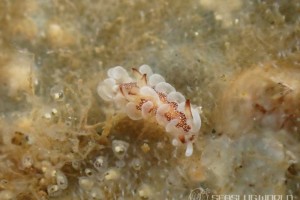
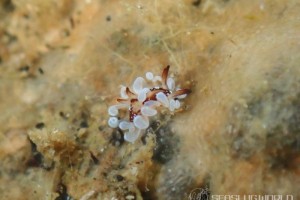
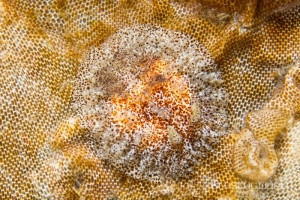
Photos of Ceratodoris barnardi





















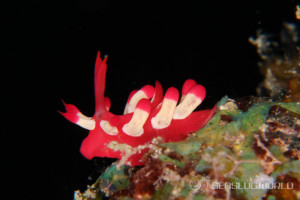
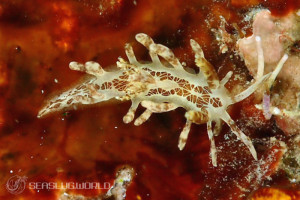
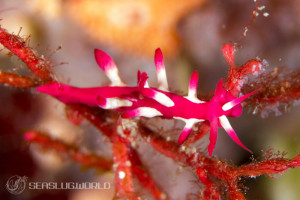
Same Genus Nudibranchs
Similar Colors Nudibranchs

Academic Database
Sea slug observation data is available in international marine biodiversity databases.