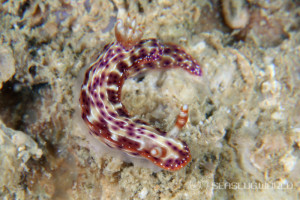
Dermatobranchus fasciatus Gosliner & Fahey, 2011
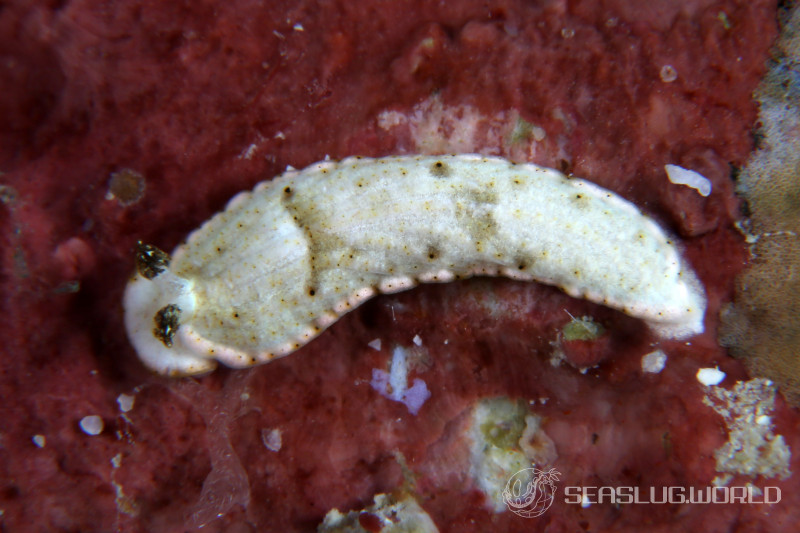
- Location
- Nashiro, Okinawa Island (Chatan and Southern area), Okinawa, Japan
- Date
- 2016/03/25
- Length
- 5mm
- Depth
- 8.0m
- Water temperature
- 19.0℃
Description
Body 5–15 mm long, elongate, flattened, narrowing posteriorly. The foot does not project beyond the distinct mantle margin. The dorsum bears low longitudinal ridges. The oral veil extends forward with corners that protrude slightly. Rhinophores sit behind the oral veil with longitudinal lamellae on the rounded club; the stalk does not narrow noticeably.Ground colour of the dorsum and foot is opaque white with dark spots scattered randomly. Both the mantle and foot have a pink edge. Two transverse bands of tan coloration cross the notum, with darker spots scattered randomly within the bands; these bands divide the dorsum into approximately thirds. The dorsal ridges are the same opaque white as the ground colour and the depressions between them are grey. Rhinophore stalks are white with random dark spots and the clubs are dark brown to black with opaque white spots. The oral veil is opaque white with dark spots and a pink margin.
Distribution
Philippines and Papua New Guinea. Type locality: Pamilacan Island off Bohol Island, Panglao, Philippines, 6–8 m, coral plateau with fine sand.Etymology
Verbatim from the original description (Gosliner & Fahey, 2011, p.307):The specific name fasciatus is a noun in apposition, from the Latin word meaning 'band'. This is in reference to the distinguishing dark band across the notum of this species.
Remarks
Externally similar to D. semilunus and D. tuberculatus but distinguished by the conspicuous transverse bands across the notum and by radular and reproductive details.References
- ミルクオトメウミウシ(仮称), 小野篤司. (1999). ウミウシガイドブック. TBSブリタニカ.
- Dermatobranchus sp. 6, Gosliner T.M., Behrens D.W. & Valdés Á. (2008). Indo-Pacific Nudibranchs and Sea Slugs: A field guide to the world's most diverse fauna. Sea Challengers Natural History Books, 426 pp.
- Dermatobranchus fasciatus sp. nov., GOSLINER T.M. & FAHEY S.J. (2011). Previously undocumented diversity and abundance of cryptic species: a phylogenetic analysis of Indo-Pacific Arminidae Rafinesque, 1814 (Mollusca: Nudibranchia) with descriptions of 20 new species of Dermatobranchus. Zoological Journal of the Linnean Society. 161(2): 245-356. https://doi.org/10.1111/j.1096-3642.2010.00649.x
A Kindle field guide by the site author
Kimoto N. (2026). Sea Slugs of Japan & the Indo-Pacific, 2nd Edition.
Kindle Edition
View on Amazon PR (Amazon Associates)Seasonality
Shooting Locations
Loading shooting locations...
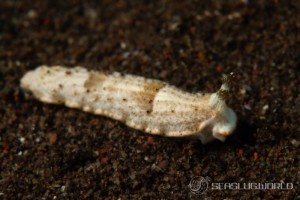
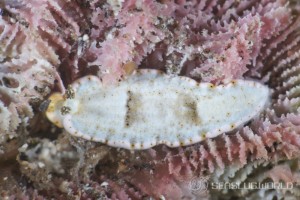
Photos of Dermatobranchus fasciatus


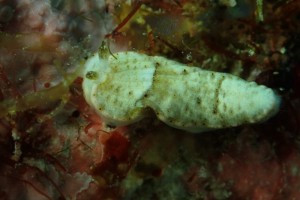

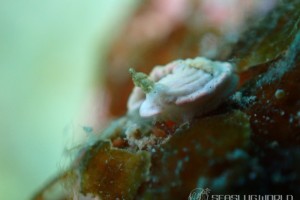

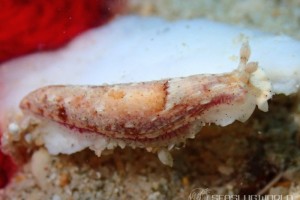

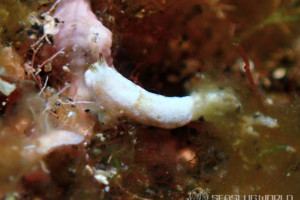
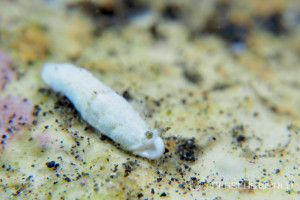

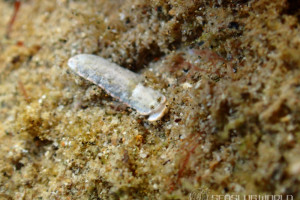

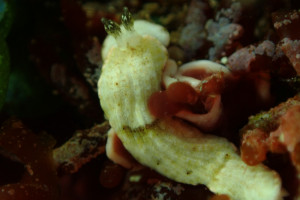
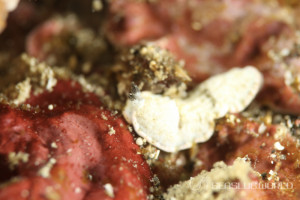

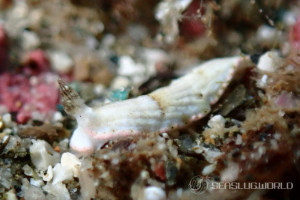

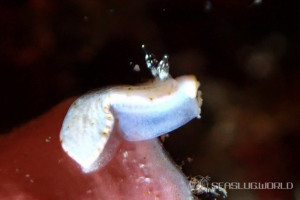
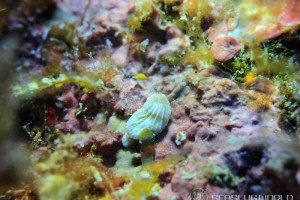

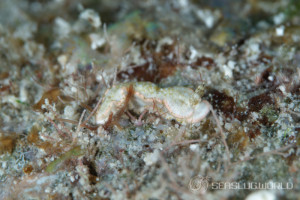
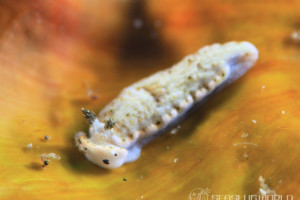

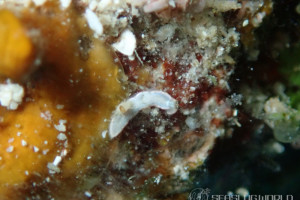

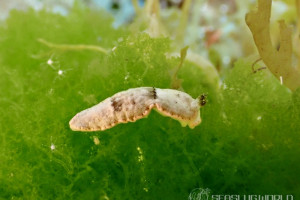

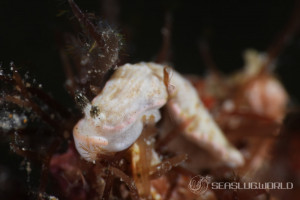

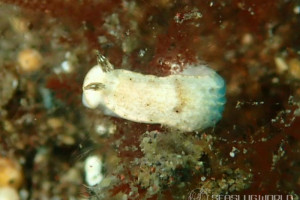

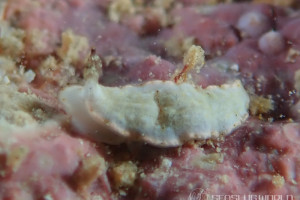
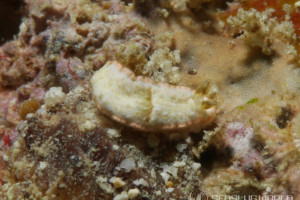

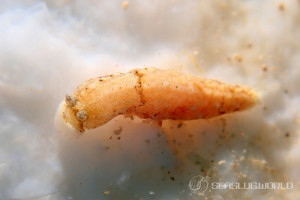

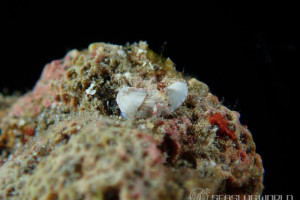
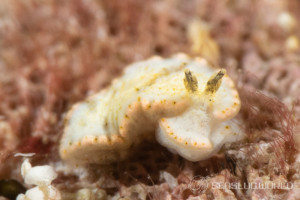

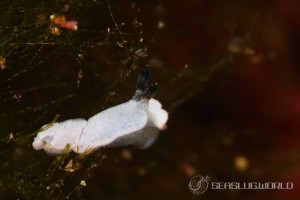
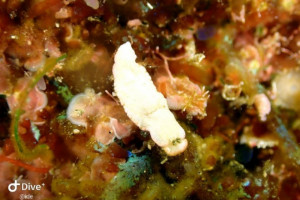

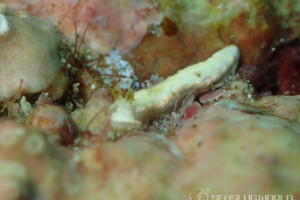

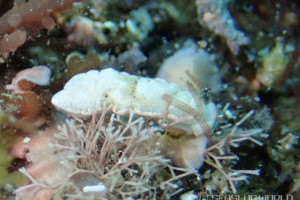

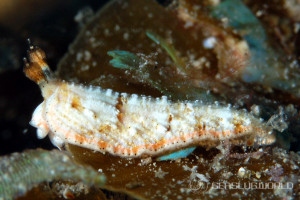

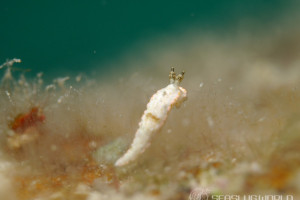

Same Genus Nudibranchs
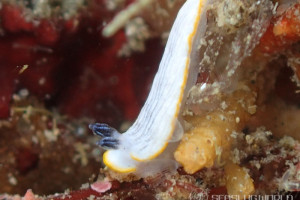
Dermatobranchus sp. 6
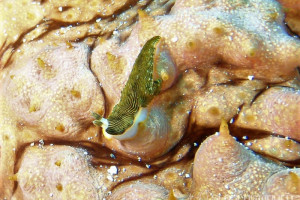
Dermatobranchus sp. 5

Dermatobranchus dendronephthyphagus
Dermatobranchus albineus
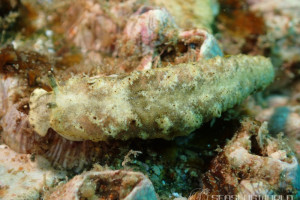
Dermatobranchus phyllodes
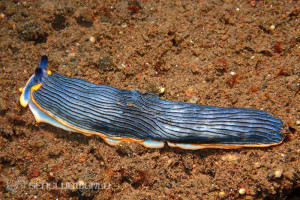
Dermatobranchus sp. 4
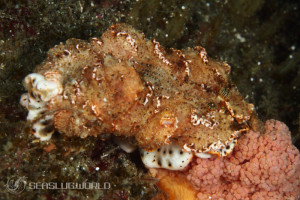
Dermatobranchus sp. 3
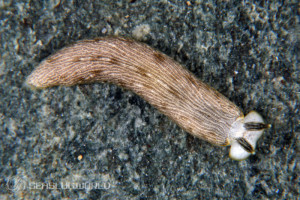
Dermatobranchus diagonalis
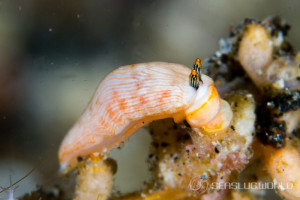
Dermatobranchus spp.
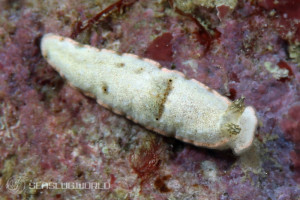
Dermatobranchus rodmani
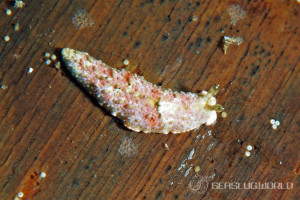
Dermatobranchus tuberculatus
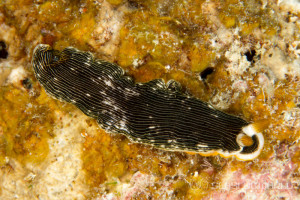
Dermatobranchus striatus
Similar Colors Nudibranchs
Academic Database
Sea slug observation data is available in international marine biodiversity databases.