Polybranchia orientalis (Kelaart, 1858)
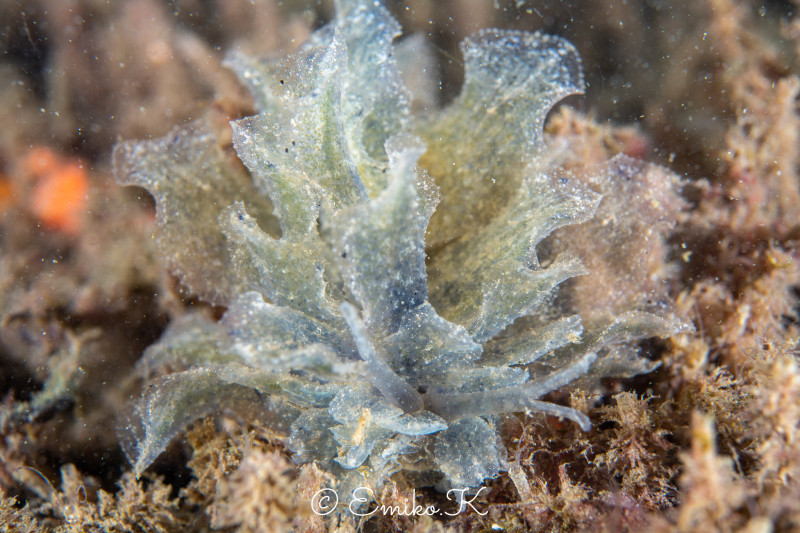
- Location
- Chowder Bay, New South Wales, Australia
- Date
- 2021/04/01
- Length
- 400mm
- Depth
- 5.0m
- Water temperature
- 21.0℃
Description
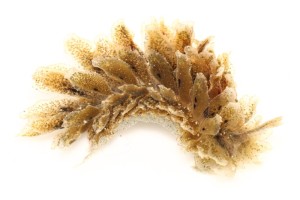
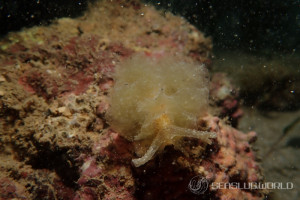
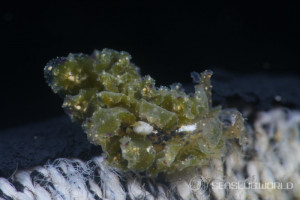
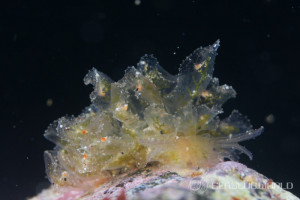
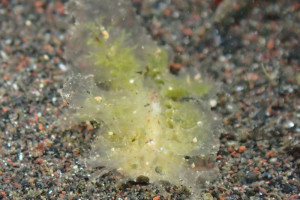
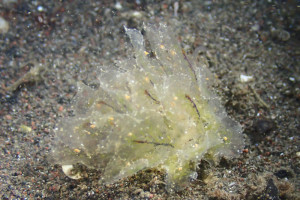
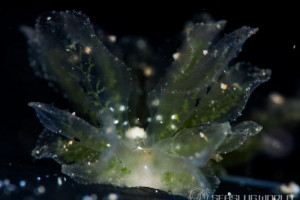
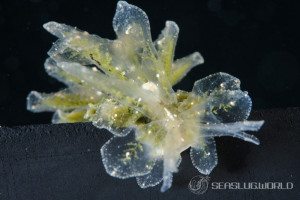
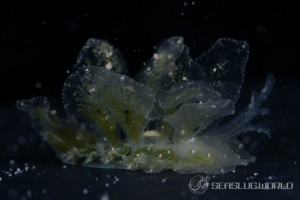
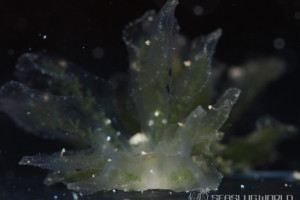
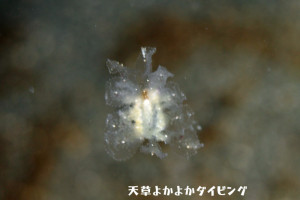
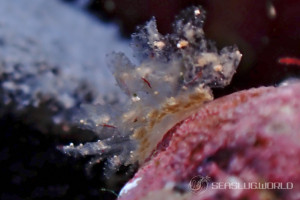
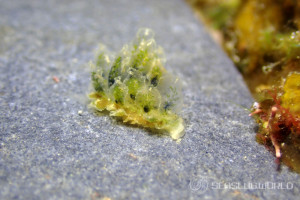
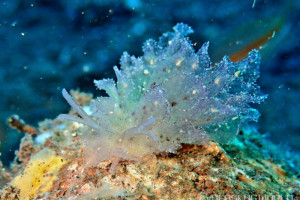
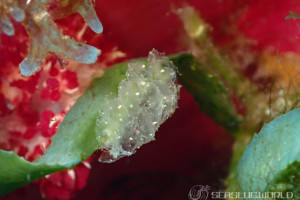
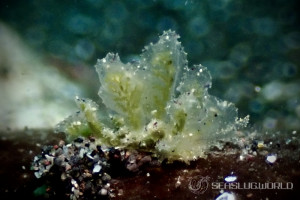
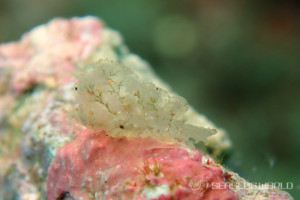
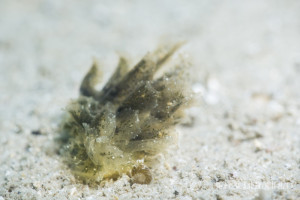
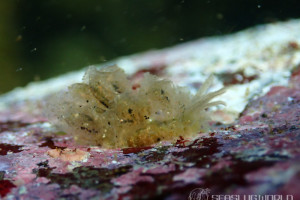
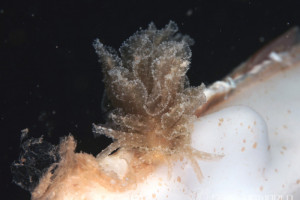
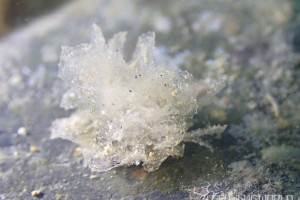
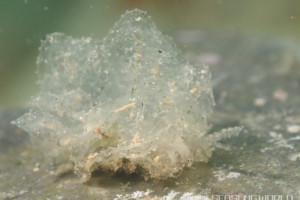
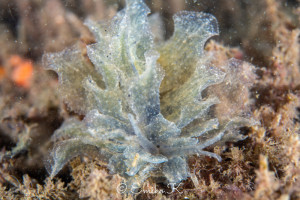
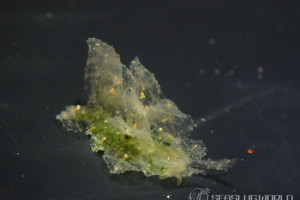
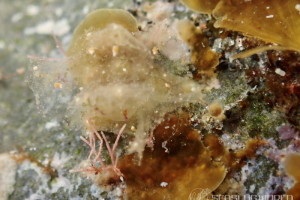
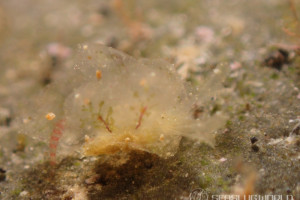
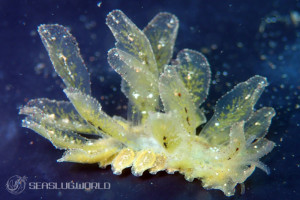
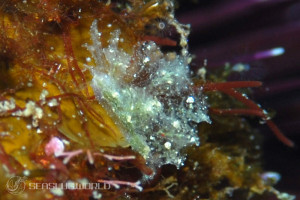
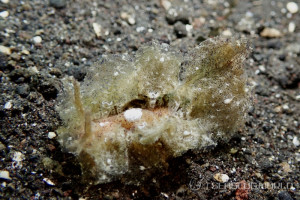
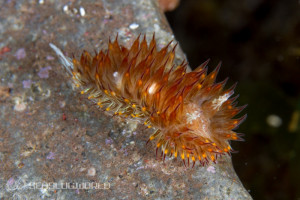
A medium-sized sacoglossan, 20–35 mm in body length, broader anteriorly and tapering posteriorly. The body is translucent brown with minute dark brown spots densely distributed all over, giving the live animal a dark overall appearance. The pericardium is bright white and conspicuous on the dorsum. The rhinophores are translucent with a single pale brown line and minute brown specks; they are bifurcated and bluntly tipped. Oral tentacles are short and pointed.The leaf-shaped cerata are arranged in four or five rows on each side of the body, with two or three additional rows carried around the head. Each ceras is translucent and speckled with cinnamon brown throughout, with two yellowish patches on the dorso-medial surface (sometimes with a single black dot in each), and is outlined in pale yellow. Two yellow papillae lie on the dorso-medial surface of each ceras: a larger one near the tip and a smaller one below it; additional minute white papillae are scattered over dorsal and ventral surfaces. The depression of the ceratal peduncle holds snow-white pigment. The egg mass is white and laid in waved thread-like coils.
Distribution
Type locality: Trincomalee, Sri Lanka, where the original specimens were collected in May and July. The species lives on green algae of the genus Caulerpa, in particular C. peltata. Following a recent integrative revision, confirmed records of P. orientalis sensu stricto are restricted to Sri Lanka, south-western India, the Philippines, and Japan (Shizuoka and the Sagami Bay area).Etymology
The specific epithet orientalis is Latin for "of the east", in reference to Ceylon being part of the East Indies as viewed from Europe at the time. The Japanese vernacular name "kanran-umiushi" alludes to the olive-green ("kanran") body colour described in the original account, in which Kelaart likened the coiled animal to "a flower with green petals".Remarks
The genus Polybranchia was long thought to comprise only a few widely distributed Indo-Pacific species, but recent integrative molecular and morphological analyses have split it into seven distinct species. Under that revision P. orientalis is restricted to the Indo-West Pacific localities listed above; previous records from Australia and Hawaii are now referred to congeners (P. burni, P. samanthae, P. jensenae). The species is nocturnal, hiding by day under rocks or in its Caulerpa host, and is known to autotomise its cerata as a defensive response.References
- Proctonotus orientalis n. sp., Kelaart E.F. (1858). Description of new and little-known species of Ceylon nudibranchiate molluscs and zoophytes. Journal of the Ceylon Branch of the Royal Asiatic Society. 3(9): 84-139.
- カンランウミウシ(新稱), 生物學御研究所編. (1955). 相模湾産後鰓類図譜〈補遺〉. 岩波書店.
- Kanran-umiushi, Baba K. & Hamatani I. (1971). RECORD OF PHYLLOBRANCHILLUS ORIENTALIS (KELAART, 1858) (SYN. BRANCHOPHYLLUM ORIENTALE VAR. SAGAMIENSE BABA, 1955) FROM CAPE SHIONO-MISAKI, KII, MIDDLE JAPAN (OPISTHOBRANCHIA : SACOGLOSSA). Publications of the Seto Marine Biological Laboratory. 19(4): 197-201. https://doi.org/10.5134/175723
- カンランウミウシ, 小野篤司. (1999). ウミウシガイドブック. TBSブリタニカ.
- カンランウミウシ(左下の写真), 中野理枝. (2004). 本州のウミウシ. ラトルズ.
- Polybranchia sp. 2, Terrence Gosliner, Ángel Valdés and David Behrens. (2015). Nudibranch and Sea Slug Identification Indo-Pacific. New World Pubns Inc.
- Polybranchia orientalis (Kelaart, 1858) — neotype redescription, Medrano S., Krug P.J., Gosliner T.M., Biju Kumar A. & Valdés Á. (2018). Systematics of Polybranchia Pease, 1860 (Mollusca: Gastropoda: Sacoglossa) based on molecular and morphological data. Zoological Journal of the Linnean Society. 186(1): 76-115. https://doi.org/10.1093/zoolinnean/zly050
- Polybranchia orientalis, Terrence Gosliner, Ángel Valdés and David Behrens. (2018). Nudibranch and Sea Slug Identification Indo-Pacific 2nd Edition. New World Pubns Inc.
Featured in this book
Terrence Gosliner, Ángel Valdés and David Behrens. (2018). Nudibranch and Sea Slug Identification Indo-Pacific 2nd Edition. New World Pubns Inc.
New World Publications
This species, Polybranchia orientalis, is included in the book.
View on Amazon PR (Amazon Associates)Seasonality
Shooting Locations
Loading shooting locations...
Photos of Polybranchia orientalis
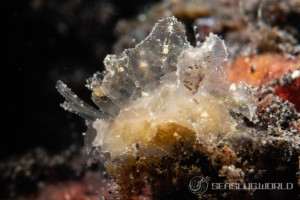

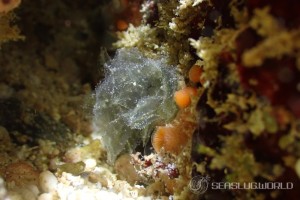





















Same Genus Nudibranchs

Similar Colors Nudibranchs
Academic Database
Sea slug observation data is available in international marine biodiversity databases.