Diniatys dentifer (A. Adams, 1850)
Description
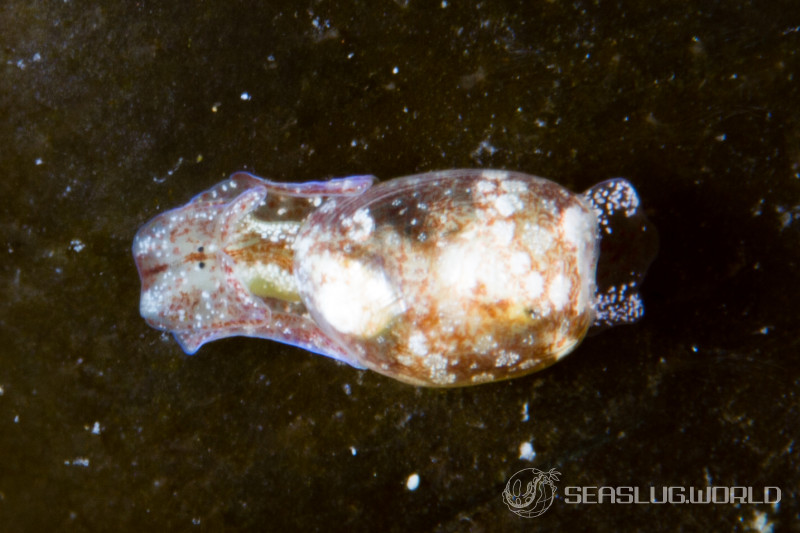
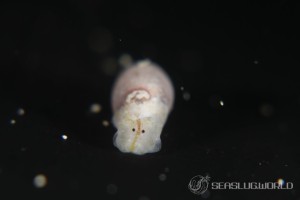
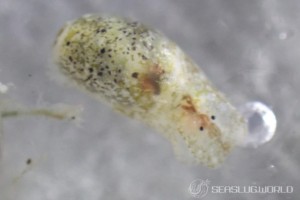
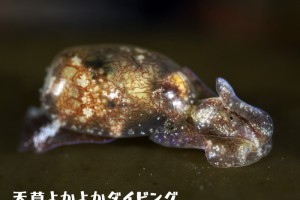
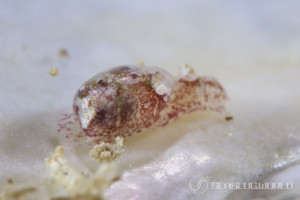
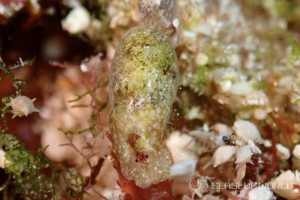
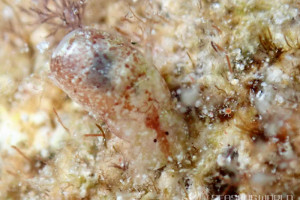
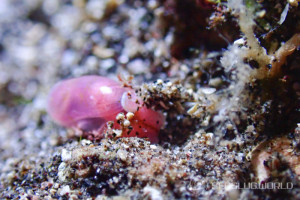
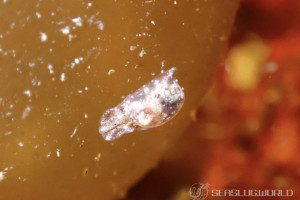
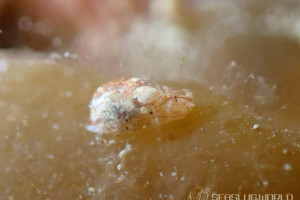
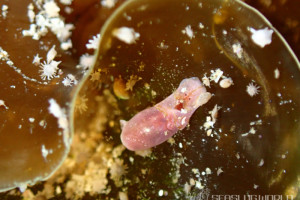
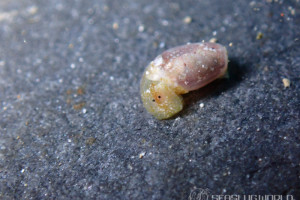
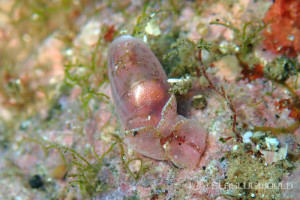
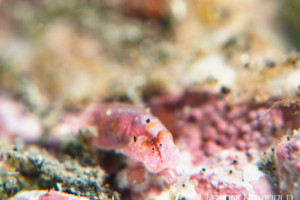
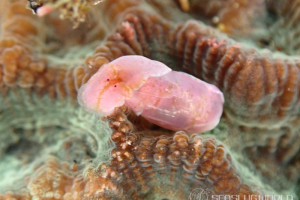
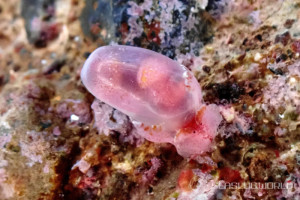
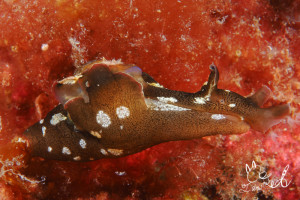
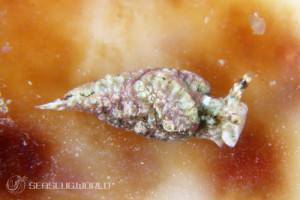
A small cephalaspidean with a shell about 5 mm long. The shell is white, with spiral grooves only near the top and bottom of the surface. The soft body is translucent white overall, densely peppered with green to brown speckles overlaid by smaller white spots. A vertical green to brown band runs between the eyespots.Some individuals show an overall pinkish tinge. The species is externally similar to its close relative Diniatys monodonta, but is distinguished by a more inflated shell and a single tooth-like projection at the base of the columella (the source of the specific name dentifer, "tooth-bearing"). The projection is difficult to detect in living animals, requiring shell dissection.
Distribution
Widely distributed across the western Indian Ocean, western to central Pacific and South Pacific, with records from Madagascar, Papua New Guinea, Indonesia, the Philippines, Japan, Palau, Samoa, Guam, Hawaii and the Tuamotu Islands. The species occurs on shallow coral-reef and sand-rubble bottoms.Etymology
The specific epithet dentifer combines the Latin dens ("tooth") and -fer ("bearing"), meaning "tooth-bearing", in reference to the columellar tooth.Remarks
The genus Diniatys Iredale, 1936 is a small group of minute shelled cephalaspideans, of which this species shows characters close to those of the type.References
- Diniatys dentifer, Iredale T. (1936). Australian molluscan notes. No. 2. Records of the Australian Museum. 19(5): 267-340.
- キバカイコガイ, 中野理枝. (2004). 本州のウミウシ. ラトルズ.
- Diniatys dentifer, Terrence Gosliner, Ángel Valdés and David Behrens. (2015). Nudibranch and Sea Slug Identification Indo-Pacific. New World Pubns Inc.
- Oskars T.R., Too C.C., Rees D., Mikkelsen P.M., Willassen E. & Malaquias M.A.E. (2019). A molecular phylogeny of the gastropod family Haminoeidae sensu lato (Heterobranchia: Cephalaspidea): a generic revision. Invertebrate Systematics 33(3): 426-472.
Featured in this book

Terrence Gosliner, Ángel Valdés and David Behrens. (2018). Nudibranch and Sea Slug Identification Indo-Pacific 2nd Edition. New World Pubns Inc.
New World Publications
This species, Diniatys dentifer, is included in the book.
View on Amazon PR (Amazon Associates)Seasonality
Shooting Locations
Loading shooting locations...
Photos of Diniatys dentifer







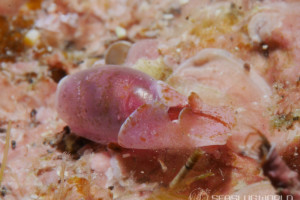

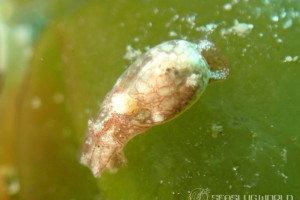

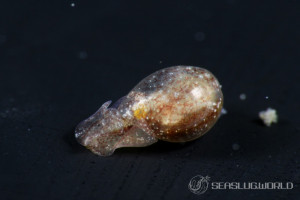

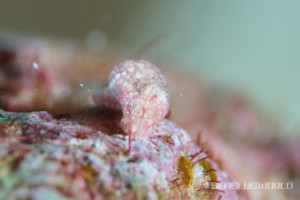


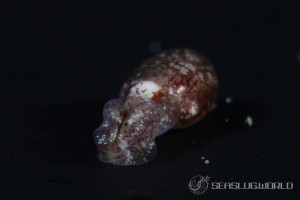
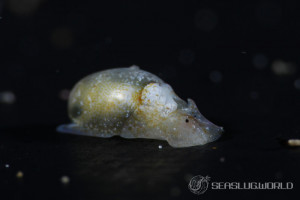
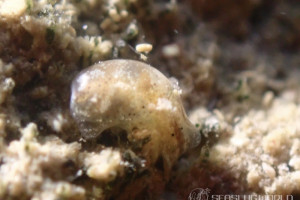

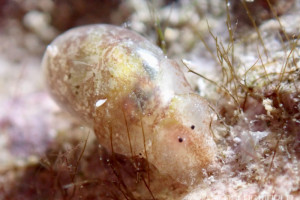

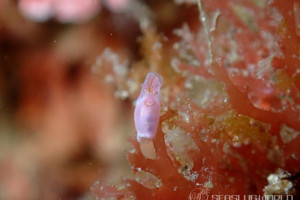

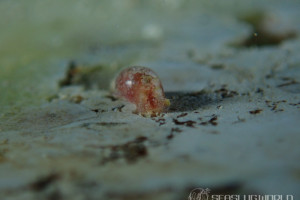
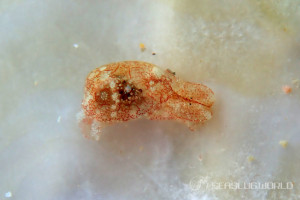

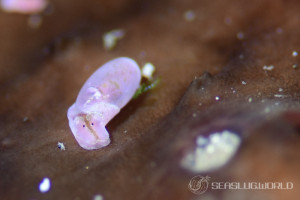




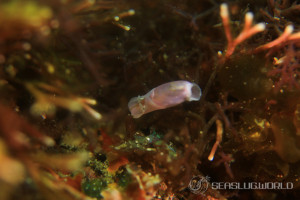

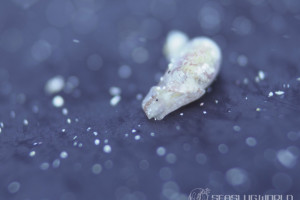
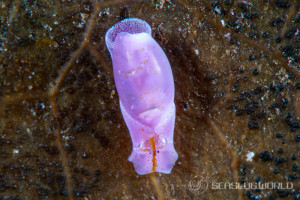

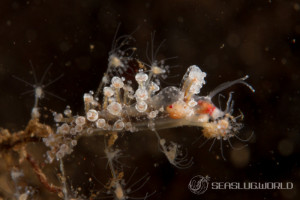
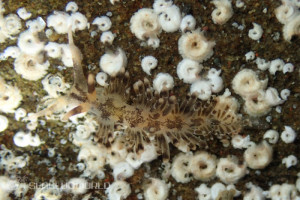
Same Genus Nudibranchs
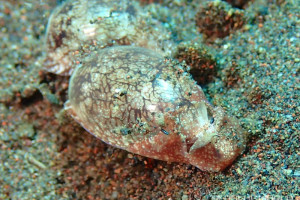
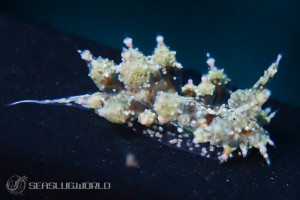
Similar Colors Nudibranchs
Academic Database
Sea slug observation data is available in international marine biodiversity databases.