Melibe leonina (A. A. Gould, 1852)
Melibe leonina
No field photograph submitted for this species yet
Have you photographed this species?Description
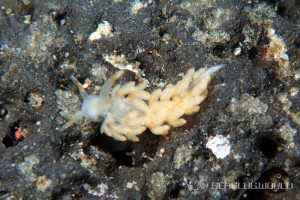
A large melibid reaching up to about 150 mm in length. The living animal is translucent, ranging from colorless to pale yellow or greenish. The most striking feature is the large hooded oral veil bearing fringed tentacles along its margin, which is spread out to capture small crustaceans and other planktonic prey.The body is smooth, without any trace of tubercles or papillae on the notum, cerata, or anterior margin of the wide foot. Rounded tubercles are present on the notum and cerata. The cerata and body appear to lack zooxanthellae. There are 4–6 paired, flattened, paddle-shaped cerata along the dorsum.
The buccal mass is wide and muscular, devoid of jaws or radula. The esophagus is short and the salivary glands are compact. The posterior stomach lacks chitinous plates. A glandular pouch is present on either side of the dorsal surface of the stomach that expands into the digestive gland ducts. The digestive gland is diffuse and ramifies only within the cerata.
The buccal ganglia are well separated from each other and are smooth in texture. An elongate commissure joins the pedal ganglia. The 40–60 ovotestis bodies are arranged in congested compound clumps of 2–4 bodies. The gonopore lacks associated papillae.
Distribution
A North-East Pacific endemic, known from the Pacific coast of North America from Kodiak Island, Alaska to Bahía de los Ángeles, México (Behrens, 1991).Etymology
The specific epithet leonina is Latin for "lion-like", referring to the mane-like fringe of tentacles surrounding the oral veil. The common English name is the Hooded Nudibranch.Remarks
The original description was by Gould 1852 as Chioraera leonina; Chioraera Gould, 1852 is now considered a junior synonym of Melibe Rang, 1829.Specimens are found frequently on the blades of Macrocystis spp. kelp and less commonly on the eelgrass Zostera marina, where they feed upon crustaceans (Ajeska & Nybakken, 1976; Gosliner, 1987). Based on the phylogenetic analysis of a 2003 revision, M. leonina is the most basal member of the genus. Despite its basal position, the species has many independently derived features: flattened cerata, an elongate outer row of oral hood papillae, tuberculate ganglia, an elongate penis, congested compound ovotestis follicles and a diffuse digestive gland whose branches extend into the cerata.
The species is well known for its ability to swim by undulating the body laterally in a C-shape, and for emitting a sweet, fruity odor reminiscent of watermelon when disturbed.
References
- Chiorera leonina n. sp., Gould A.A. (1852). Mollusca and Shells. United States Exploring Expedition during the years 1838, 1839, 1840, 1841, 1842, under the command of Charles Wilkes, U.S.N. Vol. 12. Boston: Gould & Lincoln. xv + 510 pp.
- Melibe leonina (Gould, 1852), Gosliner, T. M. (1987). Review of the nudibranch genus Melibe (Opisthobranchia: Dendronotacea) with descriptions of two new species. The Veliger. 29(4): 400-414.
- Melibe leonina (Gould, 1852), Gosliner, T. M.; Smith, V. G. (2003). Systematic review and phylogenetic analysis of the nudibranch genus Melibe (Opisthobranchia: Dendronotacea) with descriptions of three new species. Proceedings of the California Academy of Sciences. 4(54): 302-356.
- ライオンメリべ(新称), スーザン・ミドルトン他. (2015). 海の美しい無脊椎動物. 創元社.
Featured in this book
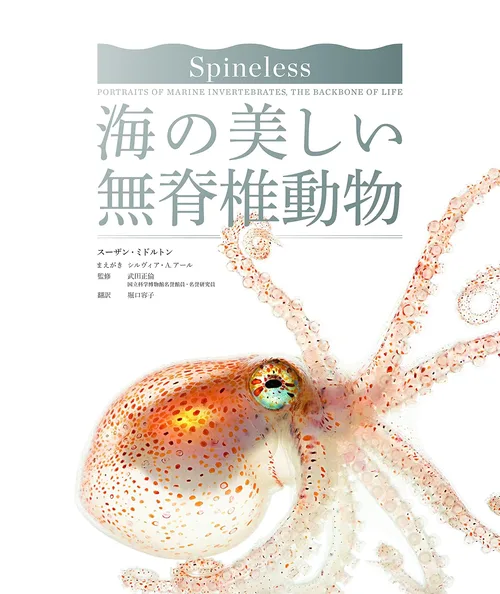
スーザン・ミドルトン他. (2015). 海の美しい無脊椎動物. 創元社.
創元社
This species, Melibe leonina, is included in the book.
View on Amazon PR (Amazon Associates)Seasonality
Shooting Locations
Loading shooting locations...
Same Genus Nudibranchs

Similar Colors Nudibranchs
Academic Database
Sea slug observation data is available in international marine biodiversity databases.