Atagema spongiosa (Kelaart, 1858)
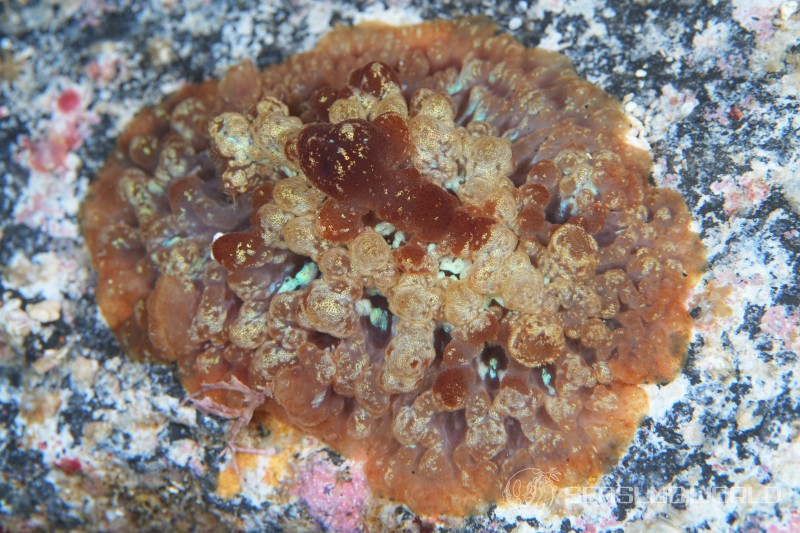
- Location
- Sokodo(Sanmata), Hachijo Island, Tokyo, Japan
- Date
- 2026/05/01
- Length
- 30mm
- Depth
- 12.0m
- Water temperature
- 23.0℃
Description
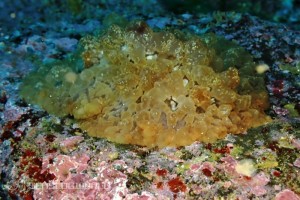
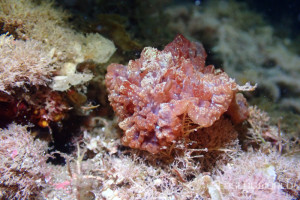
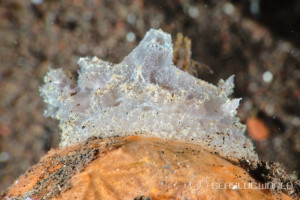
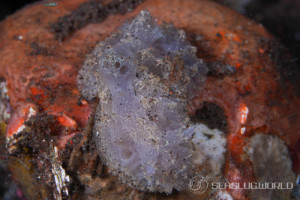
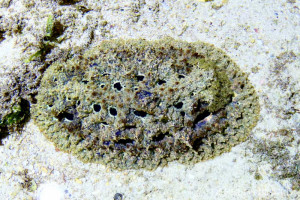
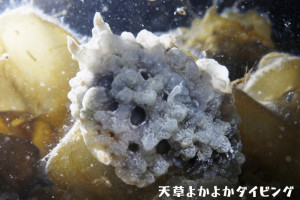
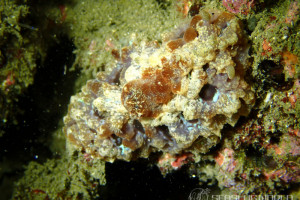
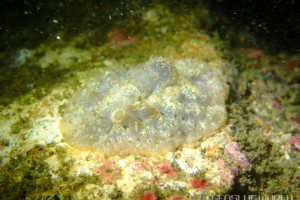
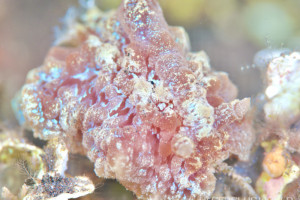
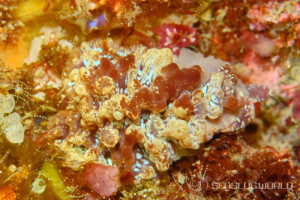
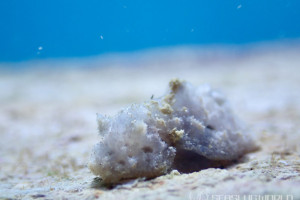
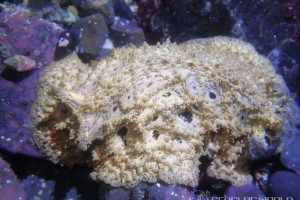
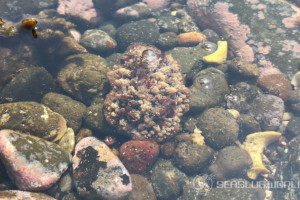
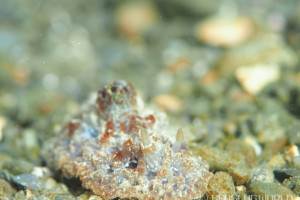
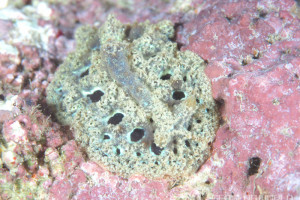
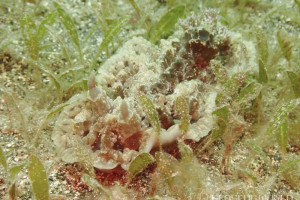
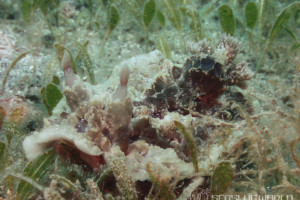
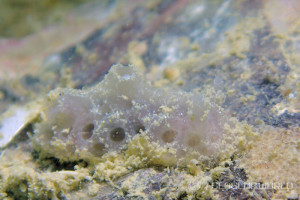
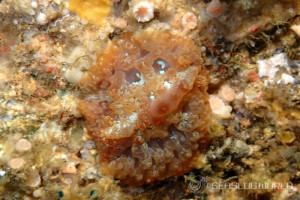
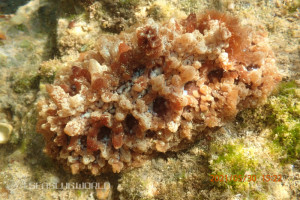
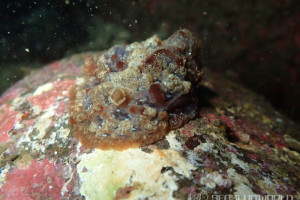
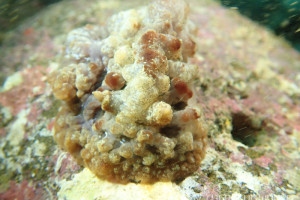
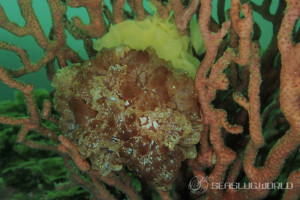
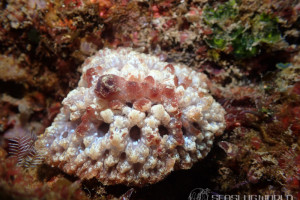
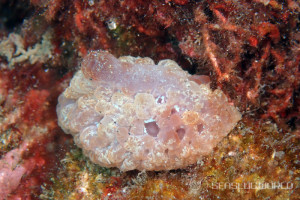
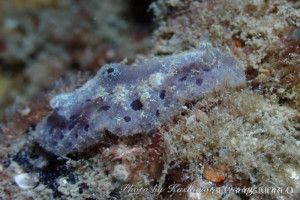
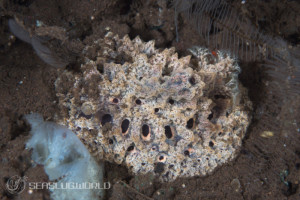
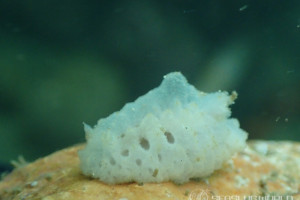
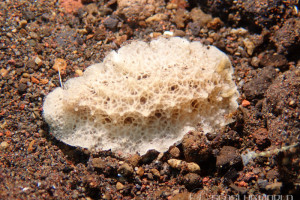
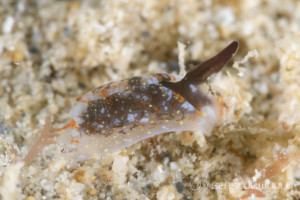
A large semi-gelatinous dorid, the largest member of Atagema, reaching about 200 mm in length. Body colour mixed greyish brown, yellowish brown and dark brown. The dorsum is densely covered with rounded tubercles, those along the midline larger and slightly paler; tubercle surfaces bear short villous projections, while the inter-tubercular surfaces sink into darker pits, giving the dorsum a sponge-like appearance — the basis of the species name. Rhinophores large with truncate laminate clubs and broad funnel-shaped granular sheaths. Five drooping bipinnate grey gills.Distribution
Indian Ocean and western Pacific. The type locality is the Inner Harbour of Trincomalee, Ceylon (Sri Lanka), in deep water. Subsequent records include Madagascar, Christmas Island, Australia, Papua New Guinea, the Philippines, Singapore, Korea and Japan.Etymology
The specific epithet spongiosa is the Latin for "spongy" or "sponge-like", referring to the sponge-textured upper surface of the mantle, which Kelaart described as resembling "the surface of some species of sponge".Remarks
Japanese vernacular name "スポンジウミウシ" (sponge sea slug). Phlegmodoris mephitica Bergh, 1878 is regarded as a junior synonym. The semi-gelatinous body and sponge-textured dorsum make this species easily overlooked against encrusting sponges in situ.References
- Doris spongiosa, Kelaart E.F. (1858). Description of new and little-known species of Ceylon nudibranchiate molluscs and zoophytes. Journal of the Ceylon Branch of the Royal Asiatic Society. 3(9): 84-139.
- スポンジウミウシ(新称:sponge海牛), Hori S. & Fukuda H. (1996). Opisthobranchia of Yamaguchi Prefecture, western Honshu, Japan — Part 1. The Yuriyagai.
- スポンジウミウシ(新称), 鈴木敬宇. (2000). ウミウシガイドブック〈2〉. TBSブリタニカ.
- ジャノメカイメンウミウシ, 奥谷喬司. (2000). 日本近海産貝類図鑑. 東海大学出版会.
- スポンジウミウシ, 中野理枝. (2004). 本州のウミウシ. ラトルズ.
- スポンジウミウシ, 小野篤司 & 加藤昌一. (2009). ウミウシ. 誠文堂新光社.
- Atagema spongiosa, Terrence Gosliner, Ángel Valdés and David Behrens. (2015). Nudibranch and Sea Slug Identification Indo-Pacific. New World Pubns Inc.
- スポンジウミウシ, 中野理枝. (2018). 日本のウミウシ. 文一総合出版.
Featured in this book
Terrence Gosliner, Ángel Valdés and David Behrens. (2018). Nudibranch and Sea Slug Identification Indo-Pacific 2nd Edition. New World Pubns Inc.
New World Publications
This species, Atagema spongiosa, is included in the book.
View on Amazon PR (Amazon Associates)Seasonality
Shooting Locations
Loading shooting locations...
Photos of Atagema spongiosa























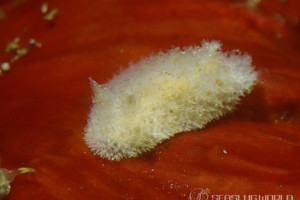
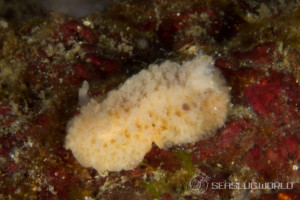
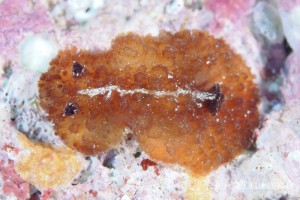
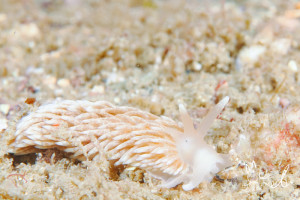
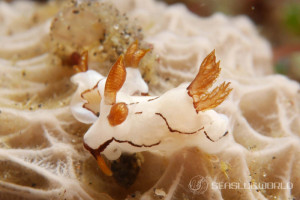
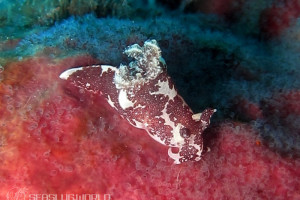
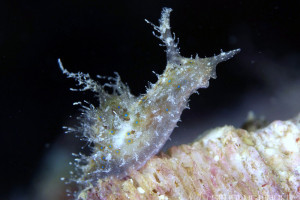
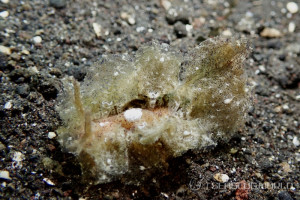
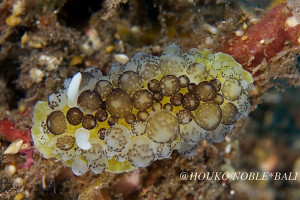
Same Genus Nudibranchs
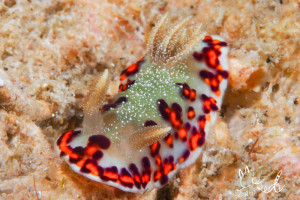
Similar Colors Nudibranchs

Academic Database
Sea slug observation data is available in international marine biodiversity databases.