Palio amakusana Baba, 1960
Description
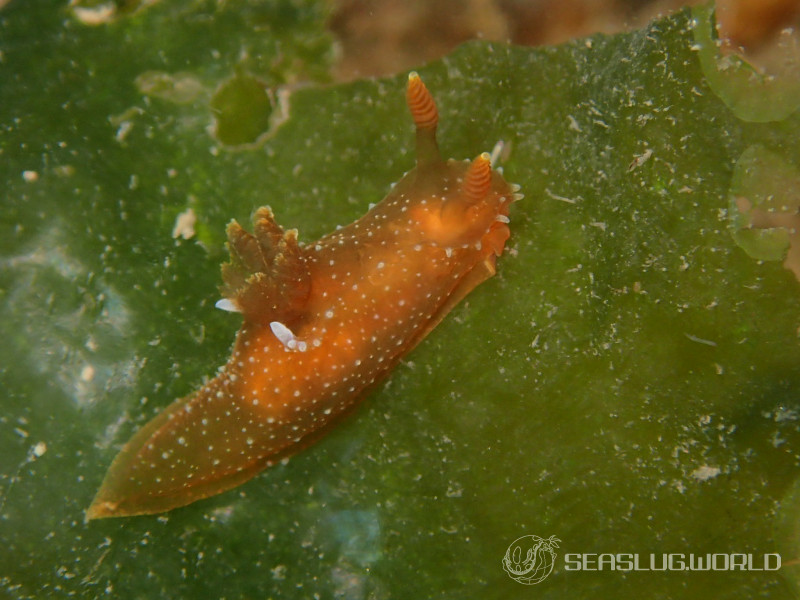
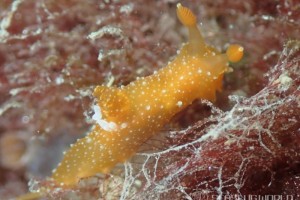
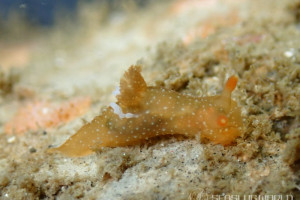
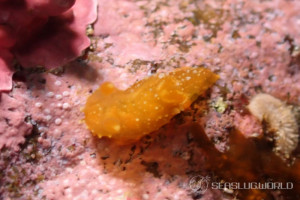
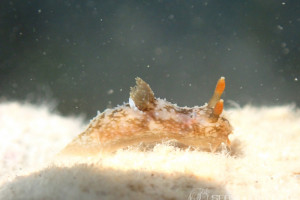
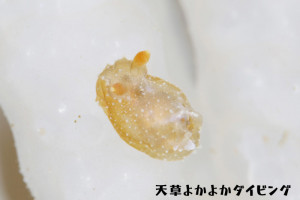
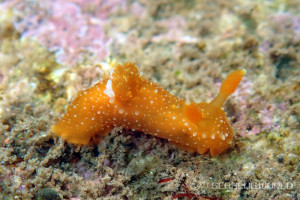
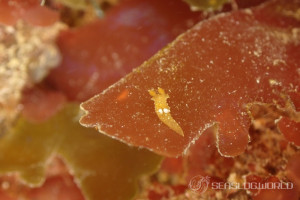
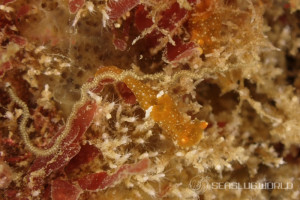
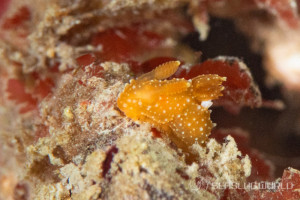
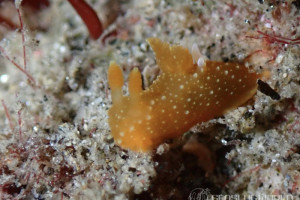
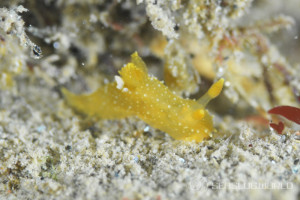
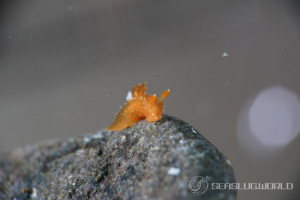
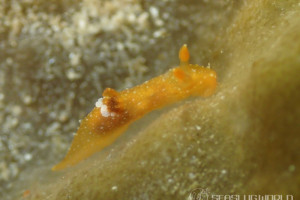
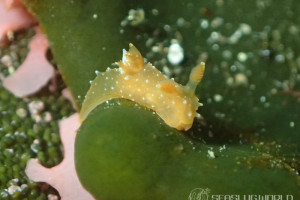
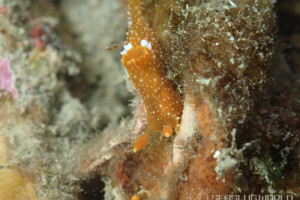
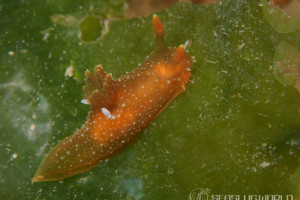
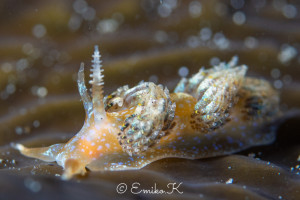
A polycerid 12-20 mm in length. With 4-6 exo-branchial appendages on each side, slightly larger than those on the back-margins. Velum-margin papillae 12-14. Back, sides and tail covered with small conical papillae. Rhinophores non-retractile; 5 tripinnate non-retractile gills; oral tentacles lobiform; foot-corners angulated. General body-colour yellowish brown, somewhat darker on back and sides. Rhinophores bright orange above, yellow at tip. Gills yellowish brown. Exo-branchial appendages white; other papillae on the pallial margin and on the integument also whitish. Sole yellowish brown.Distribution
Type locality: Tomioka, Amakusa (Kumamoto Pref., Japan); type material also from Abugashima, Toyama Bay. At the time of description, recorded only from Amakusa; later records also from Toyama Bay.Etymology
The specific epithet amakusana is an adjective from the type locality (Amakusa), formed with the Latin adjectival suffix -ana.Remarks
The genus Palio was first recorded from Japan in the paper that described this species. The diagnostic absence of a jaw-plate wing (triangular jaw plates without a wing) places it in Palio. Closely similar in body form, jaws and radula to the Atlantic and Mediterranean Palio dubia (= P. tessonii), but separated by colour details (yellowish brown body, bright orange rhinophores, white appendages).References
- Patio amakusana BABA, n. sp. Ebisu-umiushi (n. n.), Baba K. (1960). THE GENERA POLYCERA, PALIO, GREILADA AND THECACERA FROM JAPAN (NUDIBRANCHIA-POLYCERIDAE). Publications of the Seto Marine Biological Laboratory. 8(1): 75-78. https://doi.org/10.5134/174699
- 高岡生物研究会. (2002). 日本海のウミウシ. 第2版.
- Polycera (Palio) amakusana, 中野理枝. (2004). 本州のウミウシ. ラトルズ.
A Kindle field guide by the site author
Kimoto N. (2026). Sea Slugs of Japan & the Indo-Pacific, 2nd Edition.
Kindle Edition
View on Amazon PR (Amazon Associates)Seasonality
Shooting Locations
Loading shooting locations...
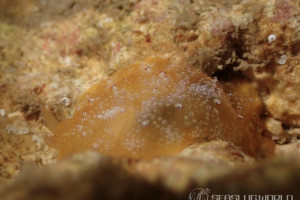
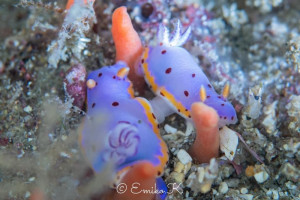
Photos of Palio amakusana






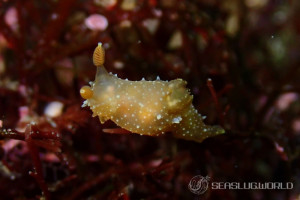

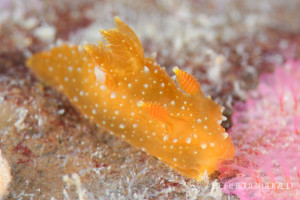

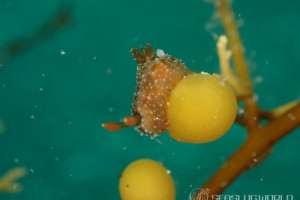
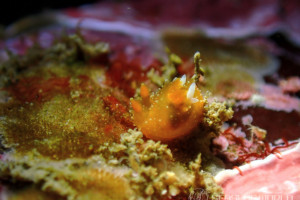






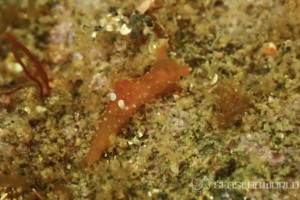

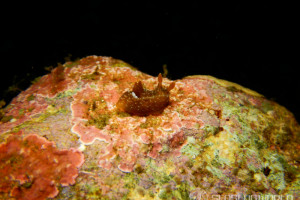

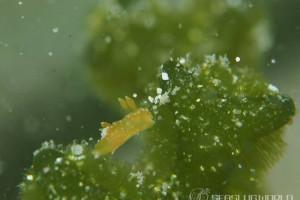

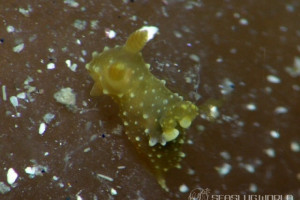

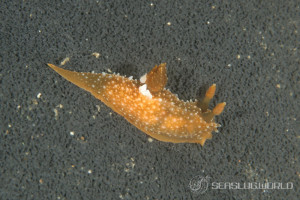
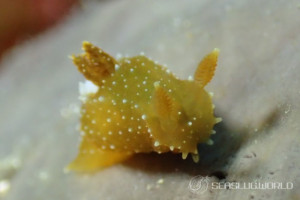

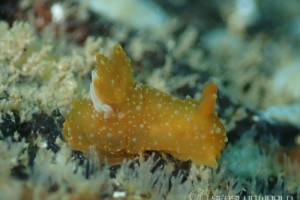

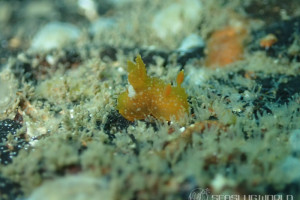




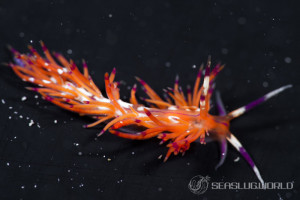
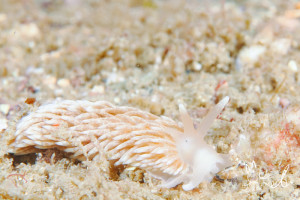
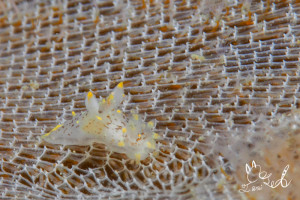
Similar Colors Nudibranchs

Academic Database
Sea slug observation data is available in international marine biodiversity databases.