Cratena simba Edmunds, 1970
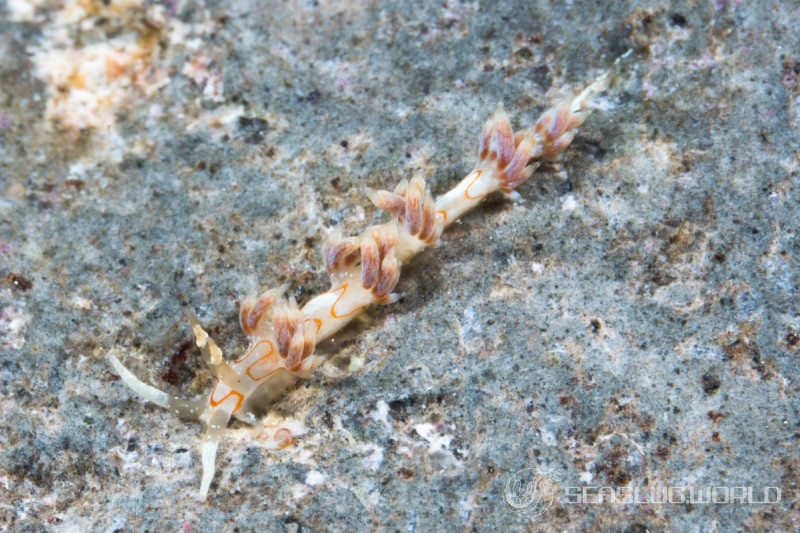
- Location
- Otchogahama, Hachijo Island, Tokyo, Japan
- Date
- 2018/10/10
- Length
- 15mm
- Depth
- 5.0m
- Water temperature
- 26.0℃
Description
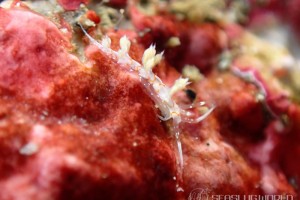
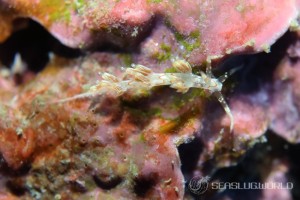
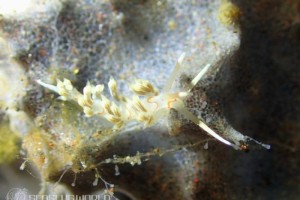
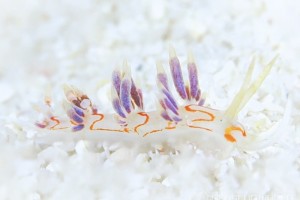
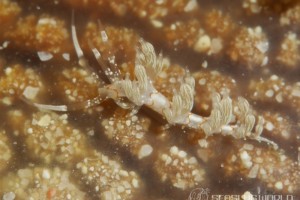
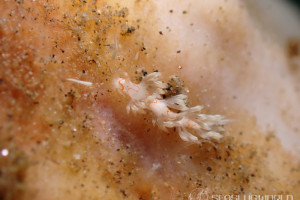
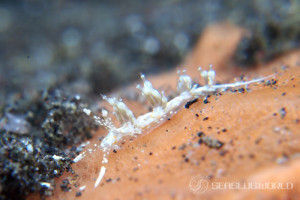
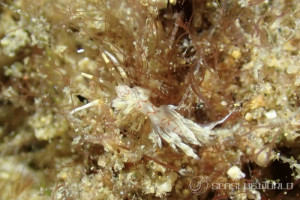
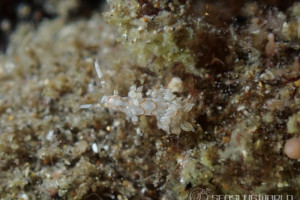
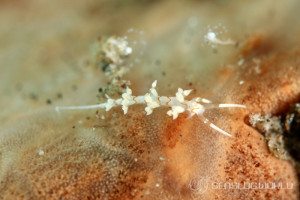
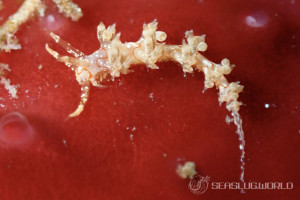
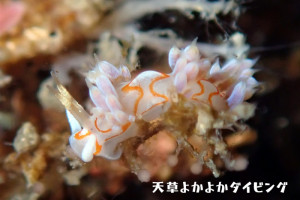
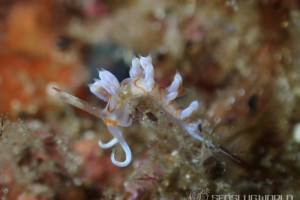
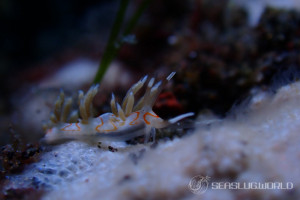
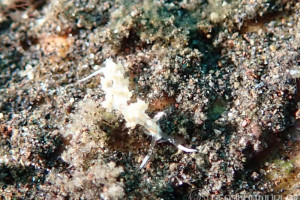
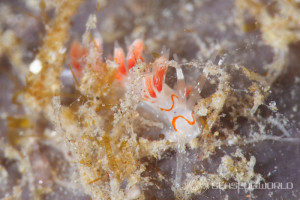
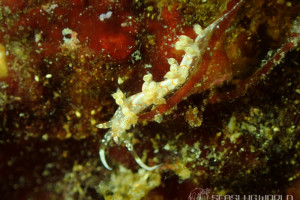
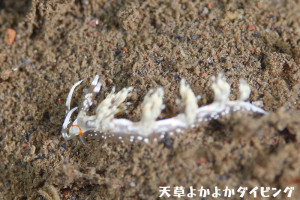
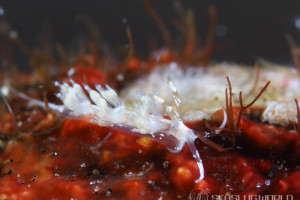
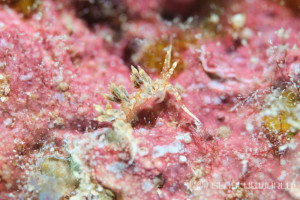
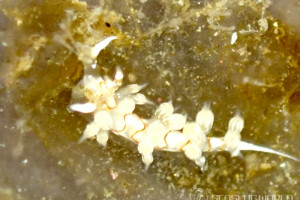
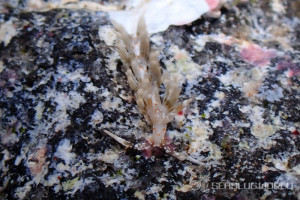
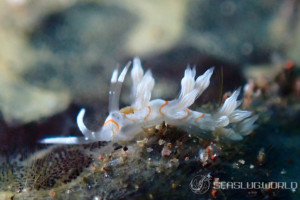
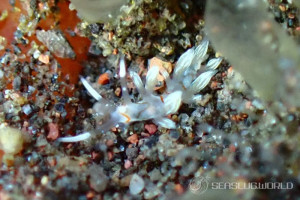
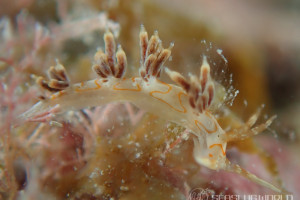
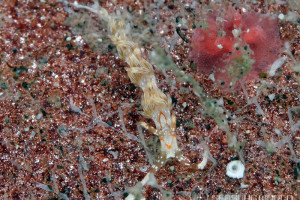
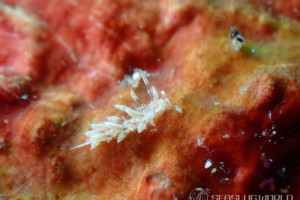
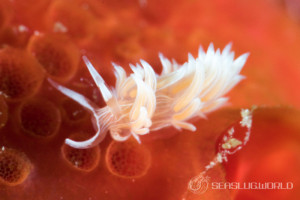
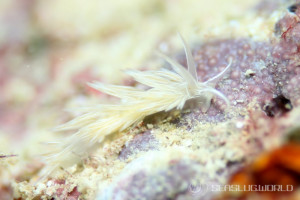
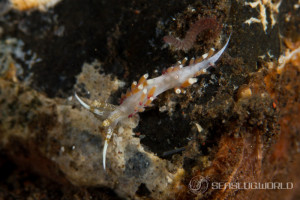
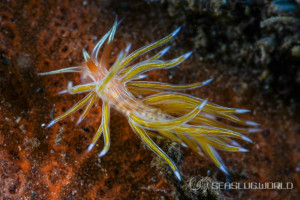
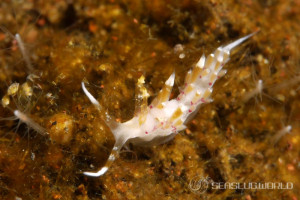
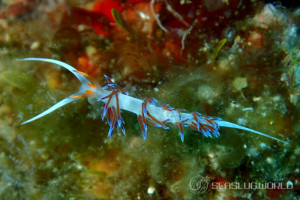
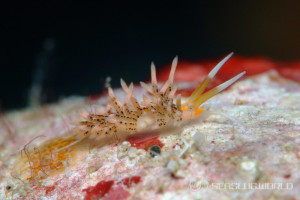
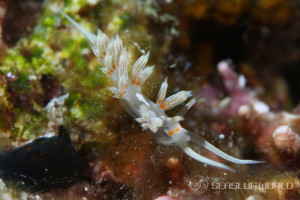
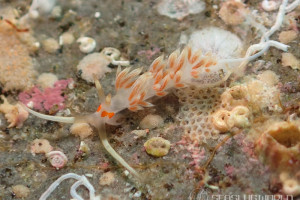
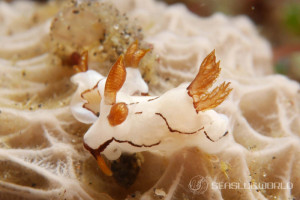
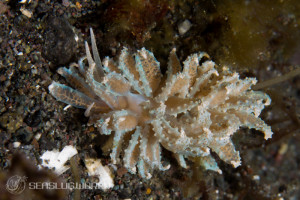
A small facelinid aeolid; the type specimens were 7-8 mm in body length. Body translucent greyish, with several transverse looped orange lines running across the dorsum. These orange loops fuse laterally between successive groups of cerata, but the loops anterior to and posterior to the rhinophores remain separate. Both rhinophores and oral tentacles are smooth, with their distal halves white; the rhinophores additionally bear a pale orange band roughly halfway up. Cerata are translucent, with the digestive gland inside ranging from yellowish to reddish-brown; longitudinal white lines run within each ceras and the cnidosac at the tip is white.Distribution
Type locality: Dar es Salaam, Tanzania (Oysterbay and Ladder Cove). The original description is based on two specimens collected from hydroids growing on the roots of seagrass (Cymodocea) in Dar es Salaam Bay. The species has subsequently been recorded widely across the western Indo-Pacific, including East Africa (Tanzania, Madagascar, South Africa), the Red Sea, the Indian subcontinent, the Philippines, Papua New Guinea, and Japan.Etymology
The derivation of the specific epithet simba is not stated in the original description by Edmunds 1970.Remarks
Feeds on hydroids; the original description records one specimen feeding on a gymnoblast hydroid, probably a species of Tubularia.The Mediterranean Cratena peregrina and the Brazilian Cratena minor share the same general body plan (translucent body with orange head and ceratal markings), but C. simba is distinguished by its characteristic looped transverse orange lines on the dorsum. A 2020 study used molecular phylogenetics (COI, 16S) and morphology to show that two morphotypes from western India that had previously been treated as C. peregrina are in fact distinct species, which they described as Cratena poshitraensis and Cratena pawarshindeorum; both differ markedly in colour pattern from C. simba.
References
- Cratena simba n. sp., Edmunds M. (1970). Opisthobranchiate Mollusca from Tanzania. II. Eolidacea (Cuthonidae, Piseinotecidae and Facelinidae). Proceedings of the Malacological Society of London. 39(1): 15-57.
- クラテナ・シンバ, 小野篤司. (2004). 沖縄のウミウシ. ラトルズ.
- クラテナ・シンバ, 中野理枝. (2004). 本州のウミウシ. ラトルズ.
- Cratena simba, Terrence Gosliner, Ángel Valdés and David Behrens. (2015). Nudibranch and Sea Slug Identification Indo-Pacific. New World Pubns Inc.
- シンバミノウミウシ(新称), 中野理枝. (2018). 日本のウミウシ. 文一総合出版.
- Cratena simba Edmunds, 1970, Bharate M., Padula V., Apte D. & Shimpi G.G. (2020). Integrative description of two new Cratena species (Mollusca: Nudibranchia) from western India. Zootaxa. 4729(3): 359-370. https://doi.org/10.11646/zootaxa.4729.3.4
Featured in this book

Terrence Gosliner, Ángel Valdés and David Behrens. (2018). Nudibranch and Sea Slug Identification Indo-Pacific 2nd Edition. New World Pubns Inc.
New World Publications
This species, Cratena simba, is included in the book.
View on Amazon PR (Amazon Associates)Seasonality
Shooting Locations
Loading shooting locations...
Photos of Cratena simba
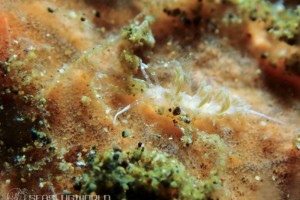

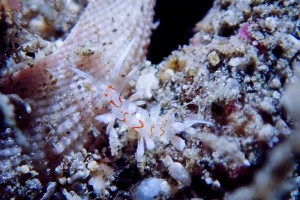
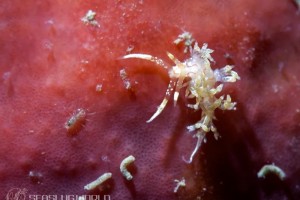























Same Genus Nudibranchs
Similar Colors Nudibranchs

Academic Database
Sea slug observation data is available in international marine biodiversity databases.