Limenandra fusiformis (Baba, 1949)
Description
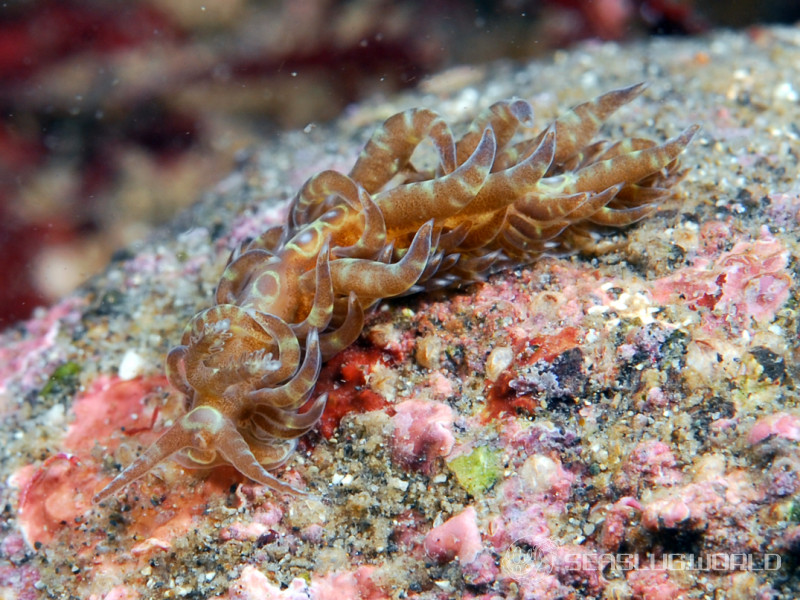
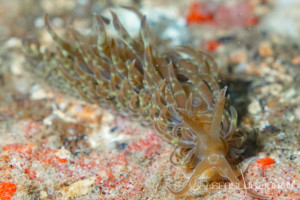
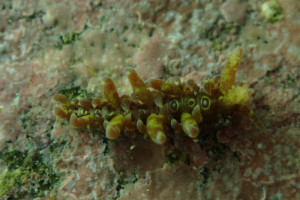
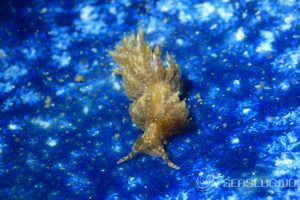
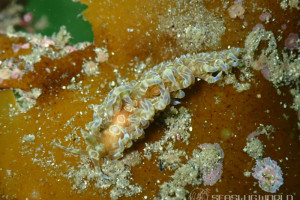
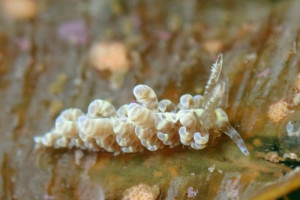
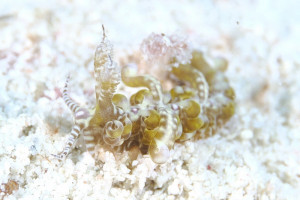
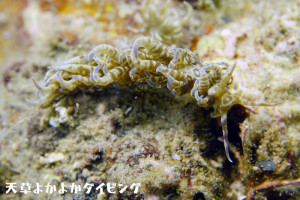
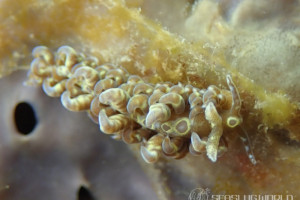
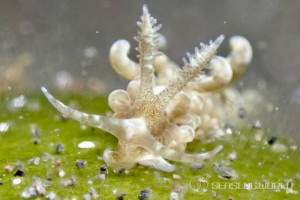
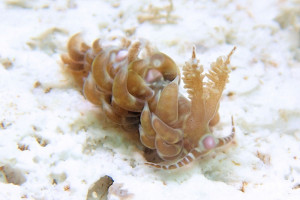
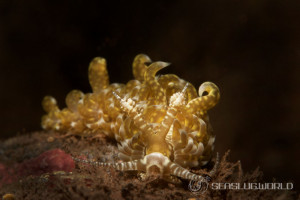
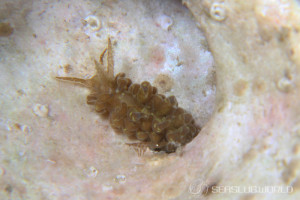
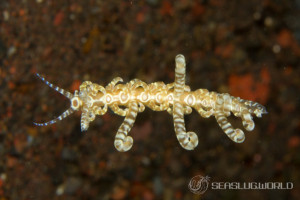
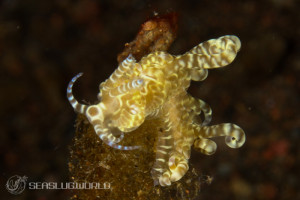
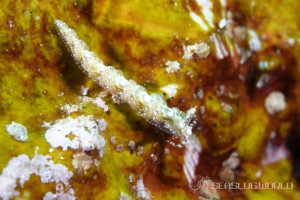
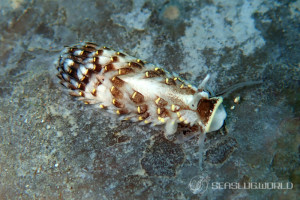
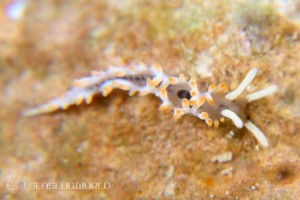
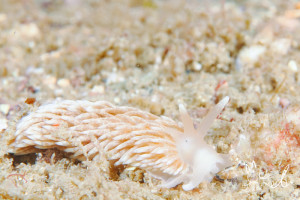
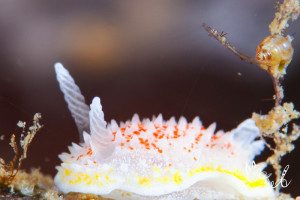
A small Aeolidacea, body length 1-2 cm. Baba describes the species as having a "particularly distinctive body form". The rhinophores bear many irregular papilla-like granules confined to the posterior surface along their entire length. The cerata are long fusiform with a circular cross-section, NOT leaflet-shaped as in other congeners — a key diagnostic feature. Cerata in 12-15 oblique rows per side, with the largest row having 10-11 cerata. The 1st and 2nd rows are somewhat close together; from the 3rd onward, the rows are spaced from the 2nd. The genital orifice opens just behind the 2nd row on the right side; the anus between the 3rd and 4th rows; the nephroproct directly above the anus. Anterior foot corners tentaculiform. Ground colour greyish-brown, with yellow small spots scattered on the dorsum. Jaw plate as in the related species. Radula formula 11×0.1.0. The central tooth is somewhat broad and arch-shaped, with up to 60 comb-like denticles in a row, with no median notch.Distribution
Type locality is off Kurosaki, Sagami Bay (13 m depth, August 1939, 2 specimens). The original description (Baba, 1949) records the species only from the type locality.Etymology
The specific epithet fusiformis is Latin for spindle-shaped. The original description does not give an explicit etymology paragraph; the descriptive sense reflects the long fusiform (circular cross-section) cerata. The Japanese name "Hoso-era-wagushi-umiushi" likewise refers to the slender form.Remarks
Originally described as Baeolidia fusiformis and later transferred to Limenandra. Distinguished within the genus by the fusiform, circular-cross-section, non-leafy cerata.References
A Kindle field guide by the site author
Kimoto N. (2026). Sea Slugs of Japan & the Indo-Pacific, 2nd Edition.
Kindle Edition
View on Amazon PR (Amazon Associates)Seasonality
Shooting Locations
Loading shooting locations...
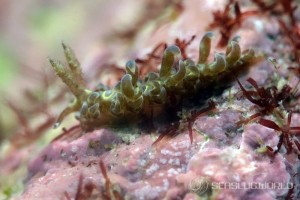
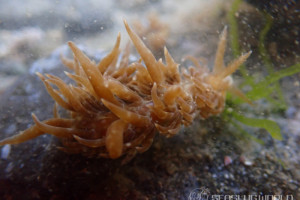
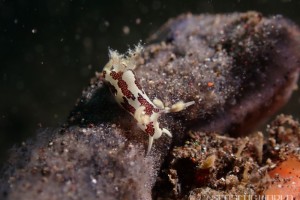
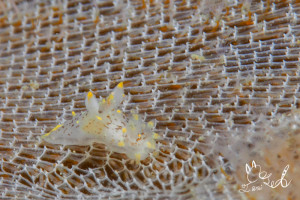
Photos of Limenandra fusiformis










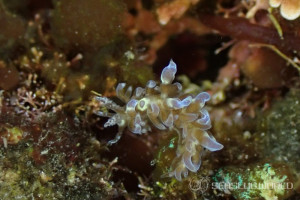

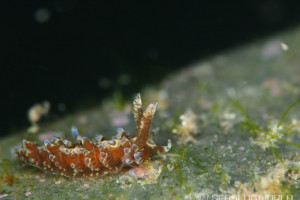

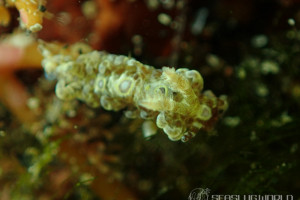
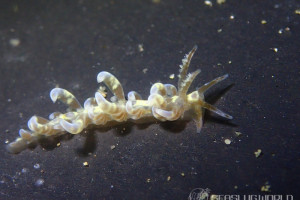




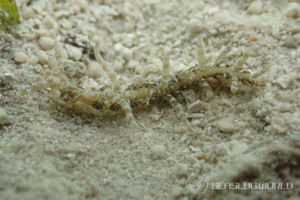

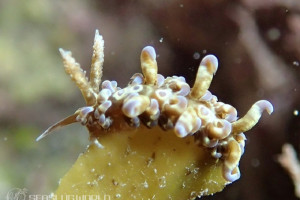

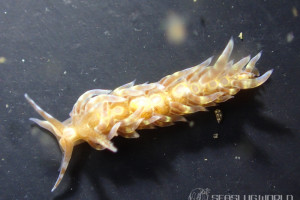


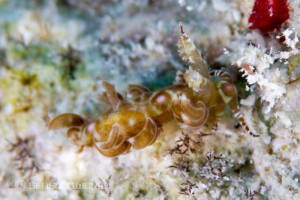

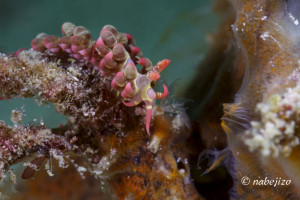
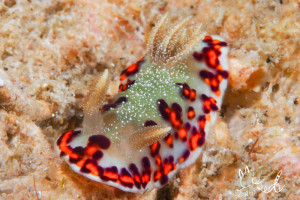
Same Genus Nudibranchs
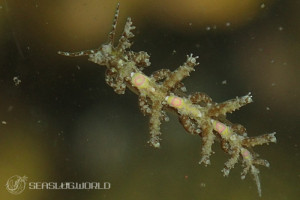
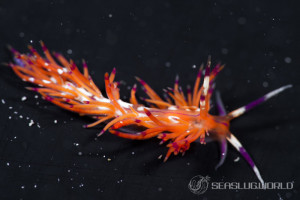
Similar Colors Nudibranchs

Academic Database
Sea slug observation data is available in international marine biodiversity databases.