Phyllidiopsis pipeki Brunckhorst, 1993
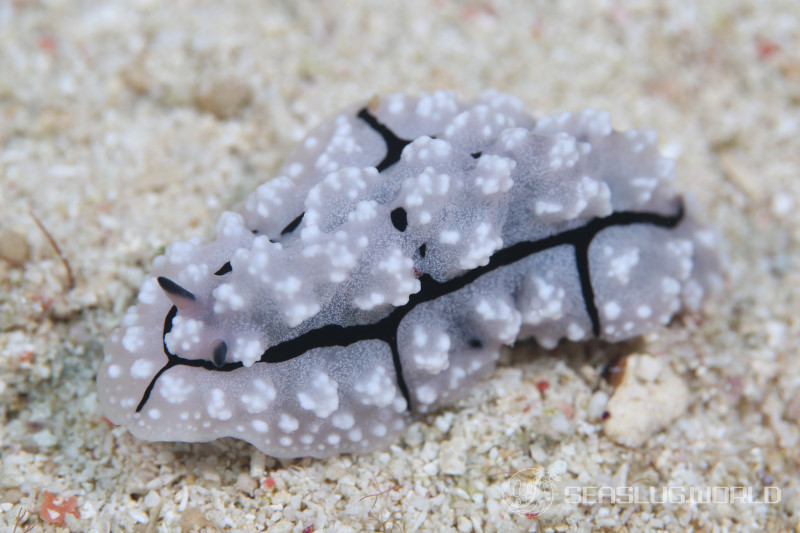
- Location
- Nudibranch cennter, Mabul, Borneo, Malaysia
- Date
- 2014/03/10
- Length
- 50mm
- Depth
- 20.0m
- Water temperature
- 28.0℃
Description
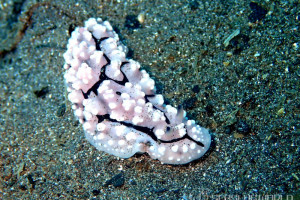
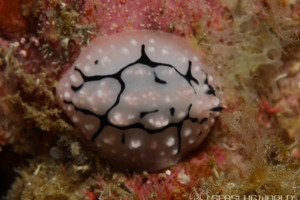
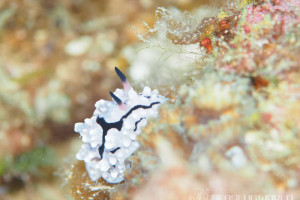
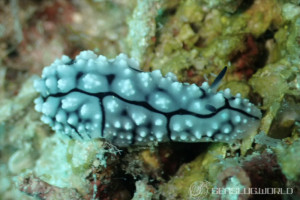
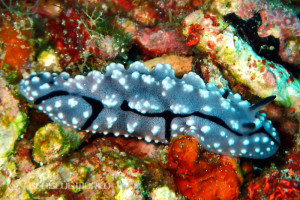
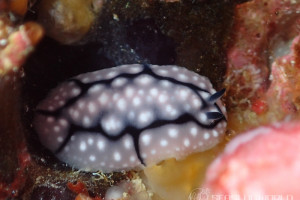
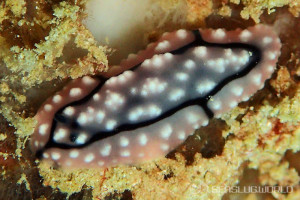
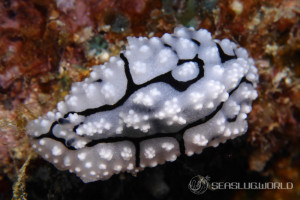
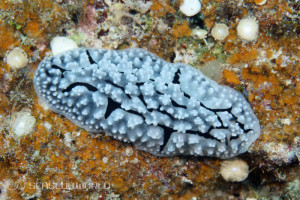
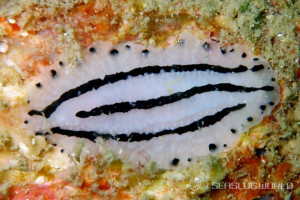
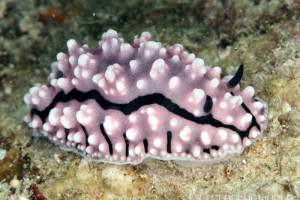
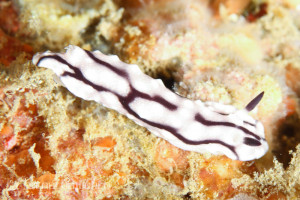
A large, elongate phyllidiid 36-85 mm long (mean 50 mm). The dorsum is bright pink with two meandering longitudinal black lines that may be interrupted or sinuous. Some specimens also possess a few black spots or one or two black rays extending to the mantle edge. The large notal tubercles, single or compound, are sparsely but evenly scattered over the dorsum, arising from a steep pink base with a rounded white apex. The mantle edge lacks any contrasting colour. The rhinophores are tall and pointed, black apically with a black stripe down the posterior two-thirds and pink basally. Each clavus bears 22-25 lamellae (specimens >36 mm). The hyponotum and gills are pale pink to grey. The foot is uniformly pink, and the pink oral tentacles have straight sides and slightly rounded tips.Distribution
Coral Sea north to Papua New Guinea, the Solomon Islands and the Philippines, and east as far as Fiji. Type locality: Madang Lagoon, Papua New Guinea (5-21 m).Etymology
Verbatim from the original description (Brunckhorst, 1993, p.73):This species is named in honour of Mr George Pipek who encouraged me in research diving and trained me to instructor level in scuba.
Remarks
Described as a new species in the Brunckhorst 1993 revision of the Phyllidiidae Records of the Australian Museum, Supplement 16: 1-107. Resembles Phyllidiopsis krempfi in colour and pattern, but P. krempfi has very tuberculate, multicompound pink tubercles, oral tentacles with pointed tips and grey lateral margins, and more rhinophoral lamellae (26-28). P. pipeki has both single and compound tubercles and 22-25 lamellae (p.73).References
A Kindle field guide by the site author
Kimoto N. (2026). Sea Slugs of Japan & the Indo-Pacific, 2nd Edition.
Kindle Edition
View on Amazon PR (Amazon Associates)Seasonality
Shooting Locations
Loading shooting locations...
Photos of Phyllidiopsis pipeki
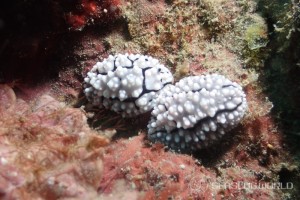

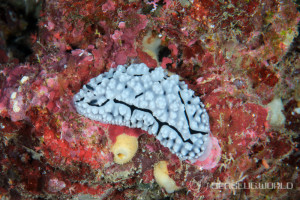





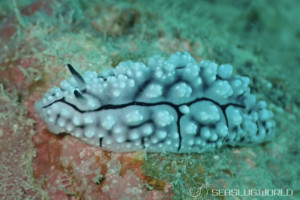


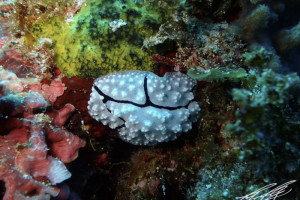

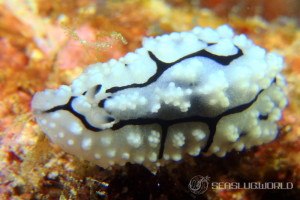

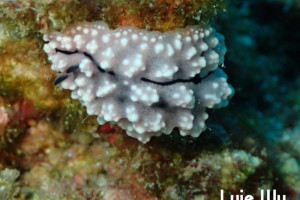




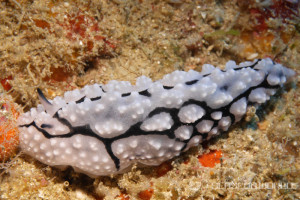
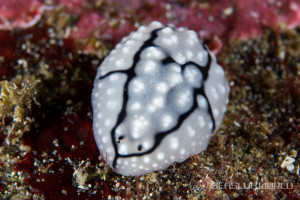

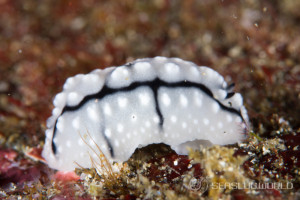
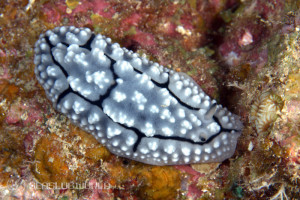


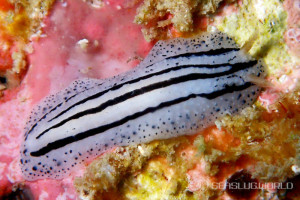
Same Genus Nudibranchs

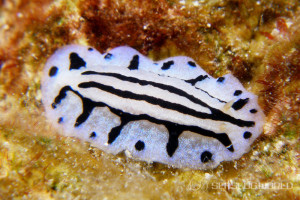
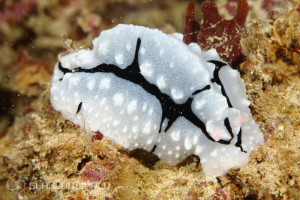
Similar Colors Nudibranchs

Academic Database
Sea slug observation data is available in international marine biodiversity databases.