Kaloplocamus japonicus (Bergh, 1880)
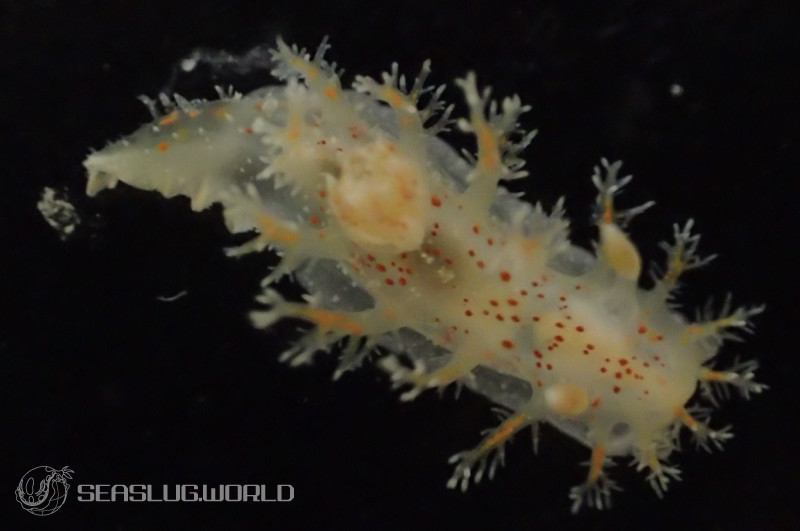
Description
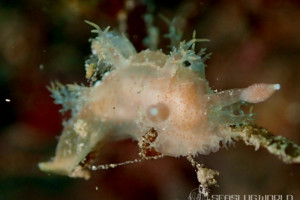
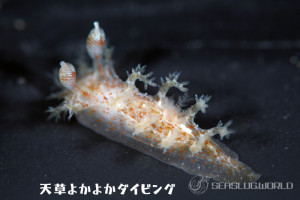
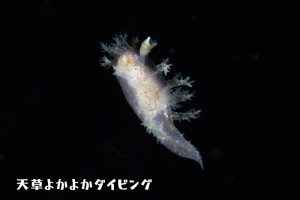
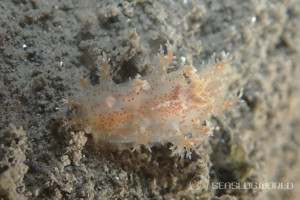
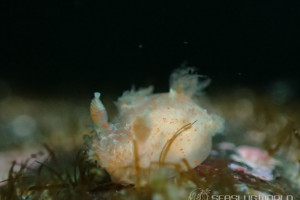
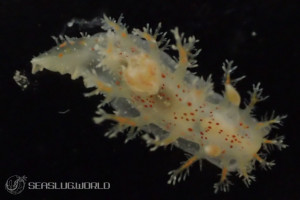
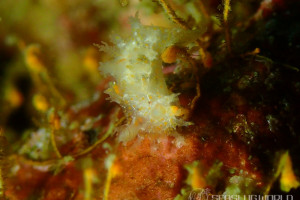
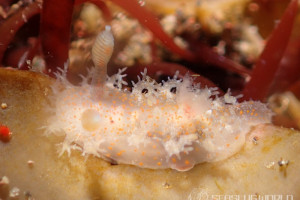
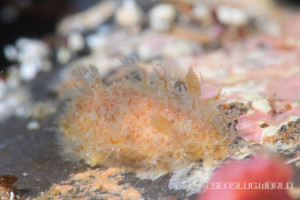
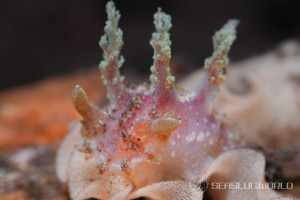
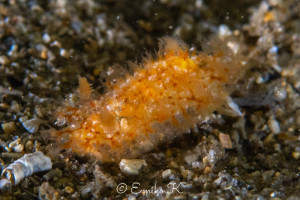
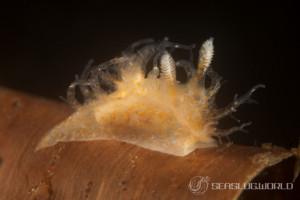
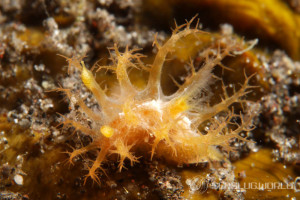
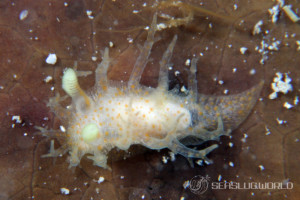
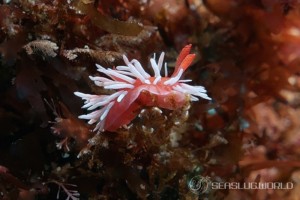
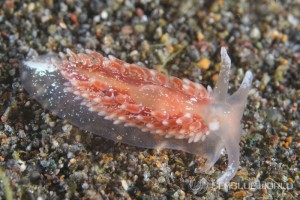
A medium-sized polycerid 30–40 mm in body length (preserved specimens). The living animal is translucent whitish to pale pink with scattered minute pink dots. The dorsum is densely covered with small opaque white tubercles. The frontal veil (Stirnsegel) bears a row of small processes along its anterior margin. About five elongate, pinnate appendages line each side of the dorsum, with those positioned posteriorly being longer. The gill consists of three tripinnate leaves with a strong basal branch. The oral tentacles are flat and thin. The animal reaches about 21 mm in length in life, while preserved specimens may reach 4 cm.Distribution
Type locality: east coast of southern Japan (M. japon.). The original description was based on three specimens collected by Dr A. v. Roretz in 1876 from coastal localities on Kyushu, Shikoku and Honshu, ranging from Nagasaki in the southwest to Yokohama in the northeast. The species has more recently been recorded from the Yellow Sea, China (Tianheng, Shandong).Etymology
The specific epithet japonicus is Latin for "Japanese", in reference to the type locality (M. japonicum).Remarks
Originally described by Bergh as Euplocamus japonicus n. sp. based on three specimens from the east coast of southern Japan. Euplocamus Philippi, 1836 is now treated as essentially synonymous with Kaloplocamus Bergh, 1892, and the species has been transferred to Kaloplocamus; the parentheses in the author citation reflect this generic transfer. A 2023 study provided a taxonomic review of the genus including new records from the Yellow Sea of China.References
- Euplocamus japonicus Bgh. n. sp., Bergh R. (1879). Beiträge zu einer Monographie der Polyceraden. I. Verhandlungen der kaiserlich-königlichen zoologisch-botanischen Gesellschaft in Wien. 29: 599-652, Taf. IX-XIV.
- Kaloplocamus japonicus, Wei J. & Kong L. (2023). Taxonomic review of Kaloplocamus from the Yellow Sea, China with the description of a new species (Nudibranchia, Doridina, Polyceridae). ZooKeys. 1168: 107-129. https://doi.org/10.3897/zookeys.1168.101248
A Kindle field guide by the site author
Kimoto N. (2026). Sea Slugs of Japan & the Indo-Pacific, 2nd Edition.
Kindle Edition
View on Amazon PR (Amazon Associates)Seasonality
Shooting Locations
Loading shooting locations...
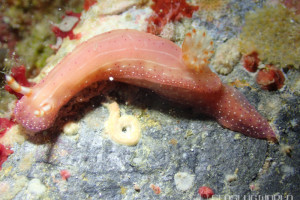
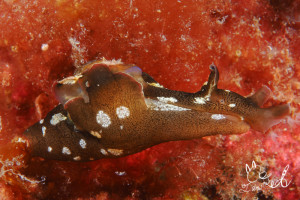
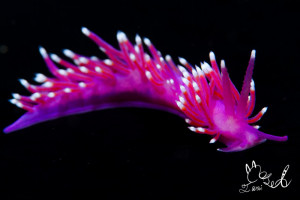
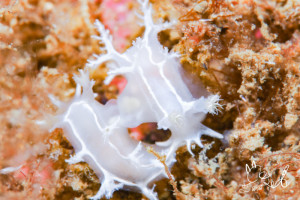
Photos of Kaloplocamus japonicus




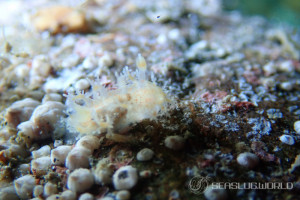
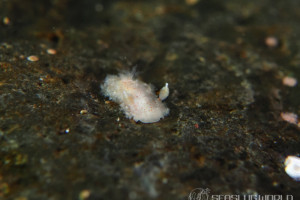

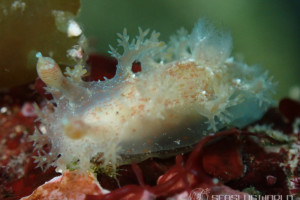

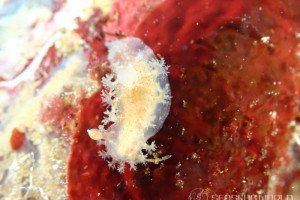





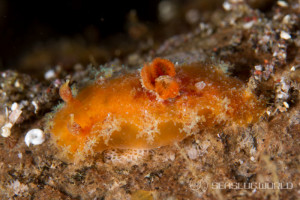
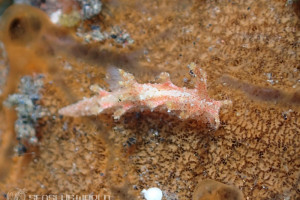
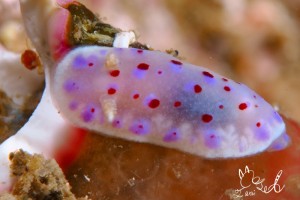
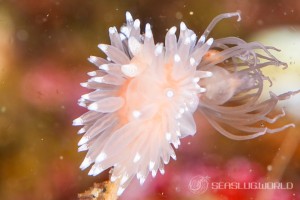
Same Genus Nudibranchs

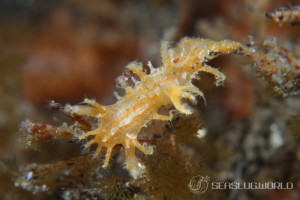
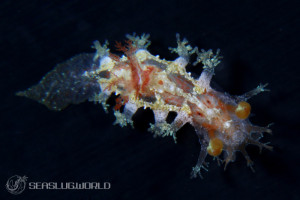
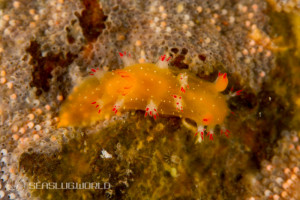
Similar Colors Nudibranchs
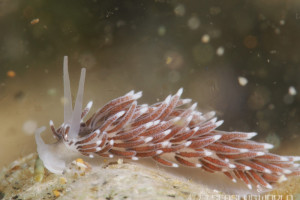
Academic Database
Sea slug observation data is available in international marine biodiversity databases.