Polycera japonica Baba, 1949
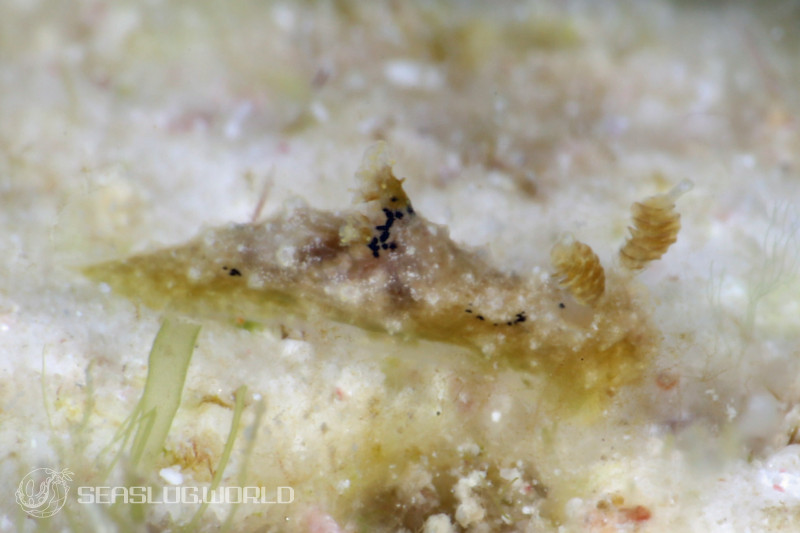
- Location
- Apogama, Okinawa Island (Onna and Yomitan area), Okinawa, Japan
- Date
- 2013/02/02
- Length
- 5mm
- Depth
- 2.0m
- Water temperature
- 21.0℃
Description
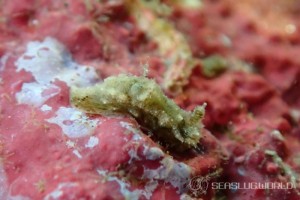
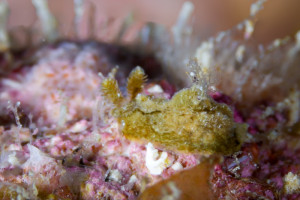
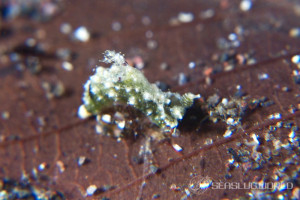
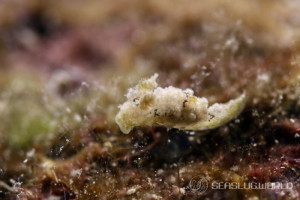
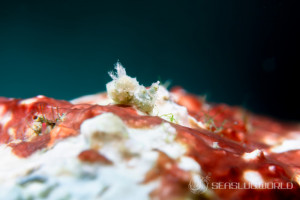
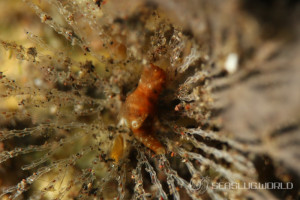
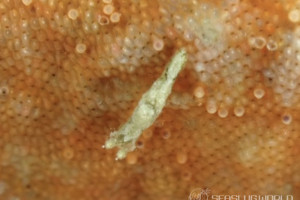
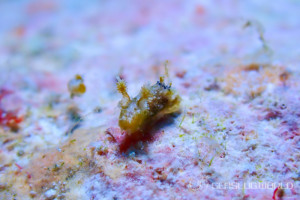
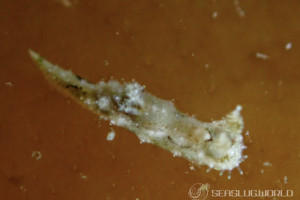
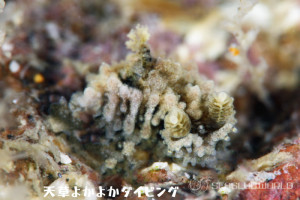
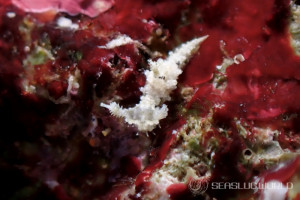
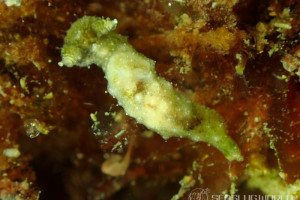
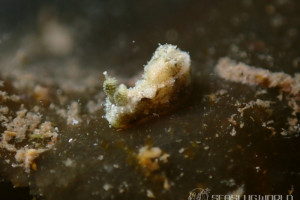
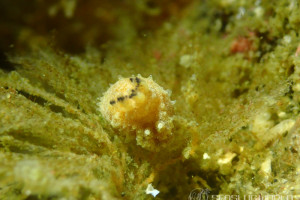
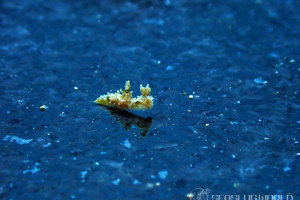
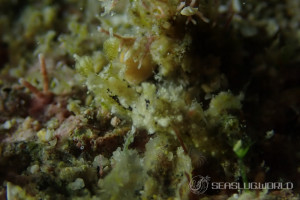
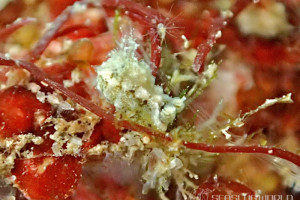
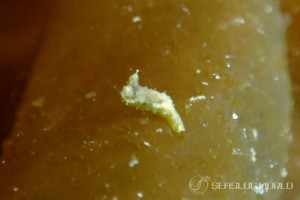
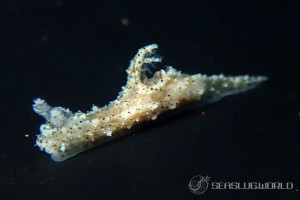
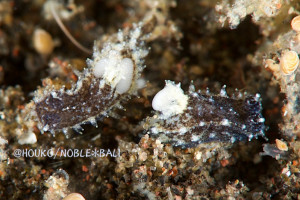
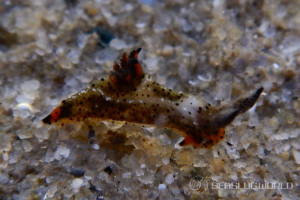
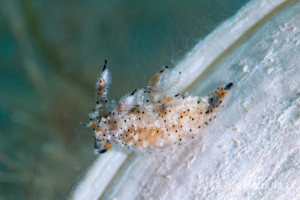
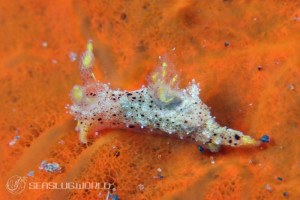
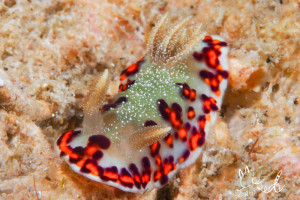
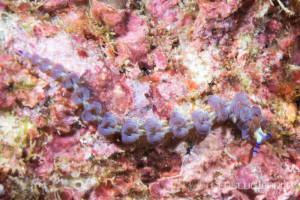
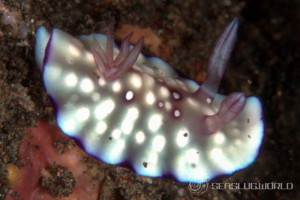
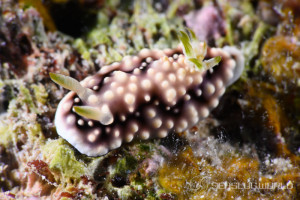
A small Polyceridae, body length 6-8 mm. The head margin bears about 10 elongate finger-like processes. The mantle margin is distinct, with 7-8 papilla-like processes on each side margin; similar processes are scattered on the dorsum, body sides, and on raised ridges. Three simple gills are present, with no gill pocket. Oral tentacles small and leaf-like; anterior foot corners rounded. Body greenish-brown overall, with the finger-like head-margin processes bearing a purple ring near the tip. A purple ring surrounds the gills, and oblique purple bands run along both sides of the tail. The jaw plate has a reflexed wing-like expansion at its anterior edge. Radula formula 9-10×2-3.2.0.2.2-3.Distribution
Type locality is Hayama-Koiso, Sagami Bay (intertidal, August-September 1940, 4 specimens). The original description (Baba, 1949) records the species only from Sagami Bay.Etymology
The specific epithet japonica refers to Japan as the country of origin. The original description does not give an explicit etymology paragraph; the toponymic derivation is self-evident. The Japanese name "Oukan-umiushi" (crown sea slug) likens the numerous head- and mantle-margin processes to the jewels of a crown.Remarks
A generic feature of the species is the reflexed wing-like expansion at the anterior edge of the jaw plate. The innermost lateral has a central hook tooth; the second lateral is a larger sickle shape with a basal hook.References
A Kindle field guide by the site author
Kimoto N. (2026). Sea Slugs of Japan & the Indo-Pacific, 2nd Edition.
Kindle Edition
View on Amazon PR (Amazon Associates)Seasonality
Shooting Locations
Loading shooting locations...
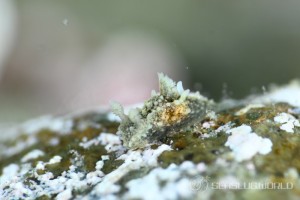
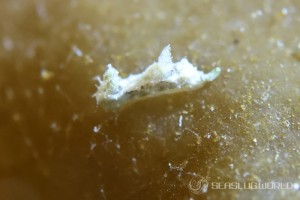
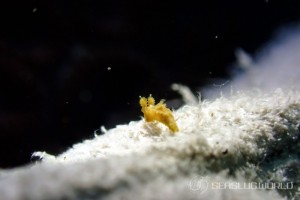
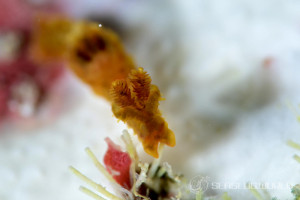
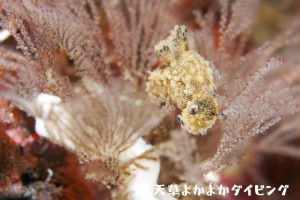
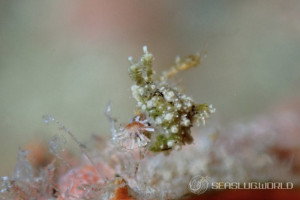
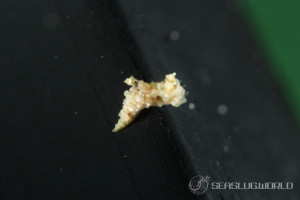
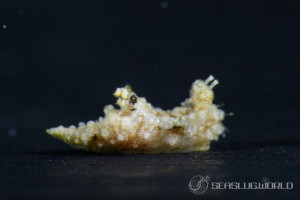
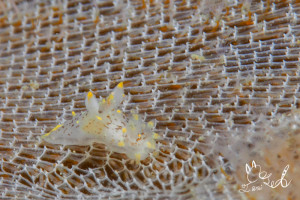
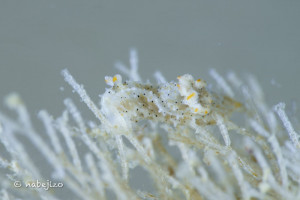
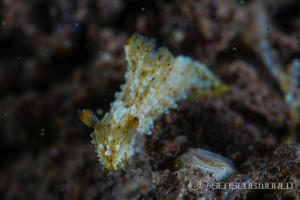
Photos of Polycera japonica


















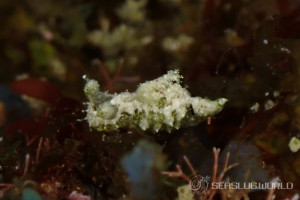

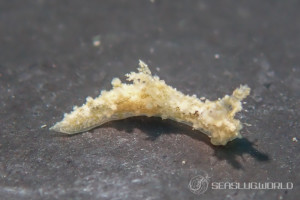

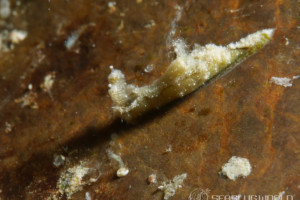

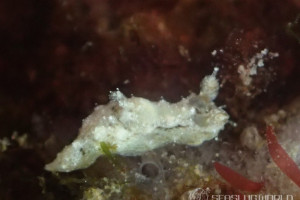





Same Genus Nudibranchs
Similar Colors Nudibranchs


Academic Database
Sea slug observation data is available in international marine biodiversity databases.