Sea Slugs Named After Obama, Pikachu, and Real Scientists: 50+ Eponyms
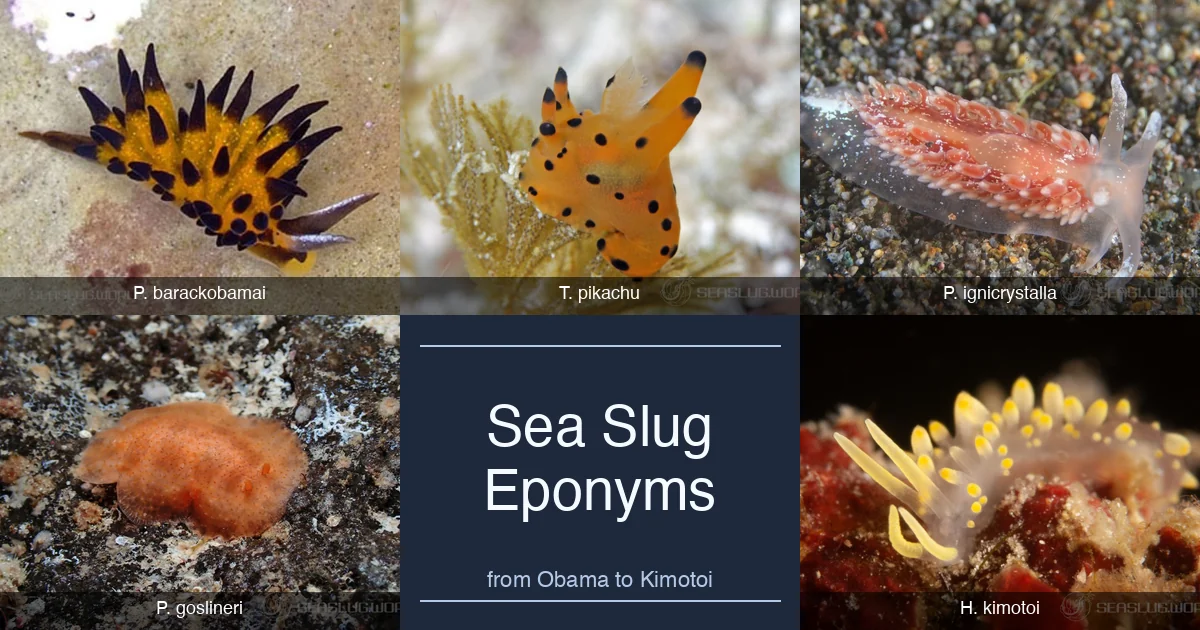
Browsing through sea slug scientific names, you occasionally hit a species and wonder, "who is that named after?" — Placida barackobamai, Thecacera pikachu, Hypselodoris babai, Phyllidia goslineri. The small Latin suffixes -i (dedicated to a man), -ae (to a woman), and -orum (to multiple people) attached at the end of species epithets point to a tradition specific to taxonomy: the eponym.
In this series so far, Part 1 covered foreign nicknames like Sea Bunny, and Part 2 looked at Edo-era Japanese vernacular names such as misugai. Part 3 shifts focus to how sea slug scientific names have been built since the 20th century, viewed through the lens of eponyms — names dedicated to people.
1. Real people and fictional characters
When new sea slug species are described, specific epithets borrowed from celebrities or fictional characters often become talking points.
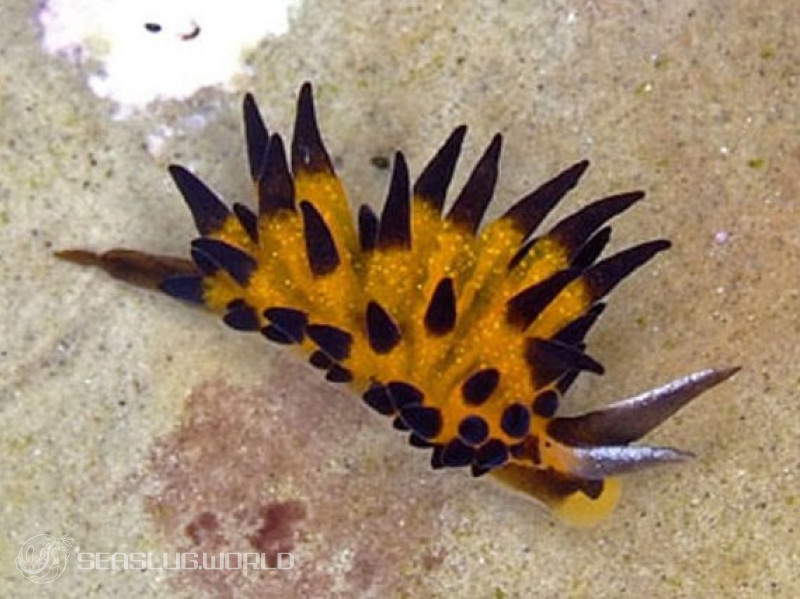
Placida barackobamai is named in honour of Barack Obama, the 44th President of the United States. Several species have been dedicated to him by marine biologists in recognition of his administration's marine conservation policies.
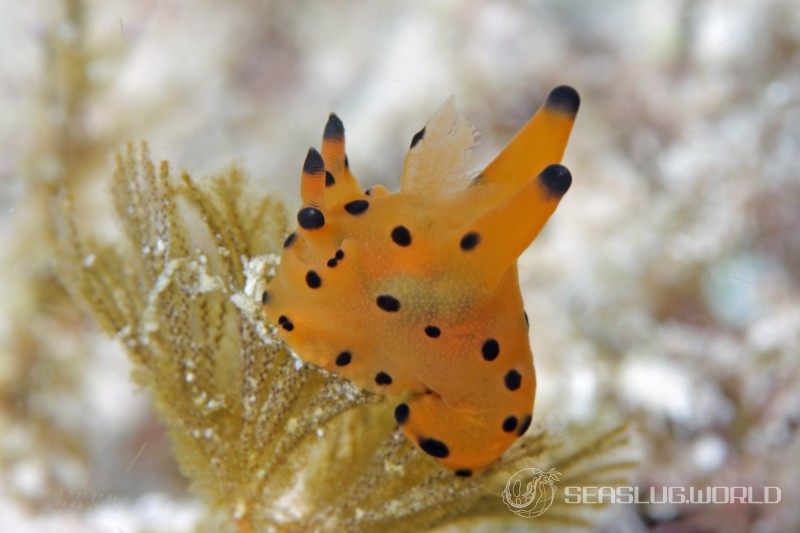
Thecacera pikachu (Pola et al., 2026) is named after Pikachu, the iconic Pokémon character. The pale orange body dotted with black spots evokes Pikachu's yellow-and-black colour scheme, and the original description notes that the species had already been known informally as the "Pikachu nudibranch" among divers and aquarists overseas.
Avaldesia tamatoa (Donohoo & Gosliner, 2024) is named after Tamatoa, the giant coconut crab villain in Disney's Moana. The original description gives two reasons: (1) the claw-shaped vestibular spine inside the body recalls the crab's claws, and (2) the dorsal pattern of nodules and papillae in pale individuals resembles the gaudy shell decorations Tamatoa wears.
Paracoryphella ignicrystalla (Korshunova et al., 2017) has a specific epithet that combines the Latin words for "fire" and "ice crystal". The original description explicitly references George R. R. Martin's epic A Song of Ice and Fire (the basis for Game of Thrones).
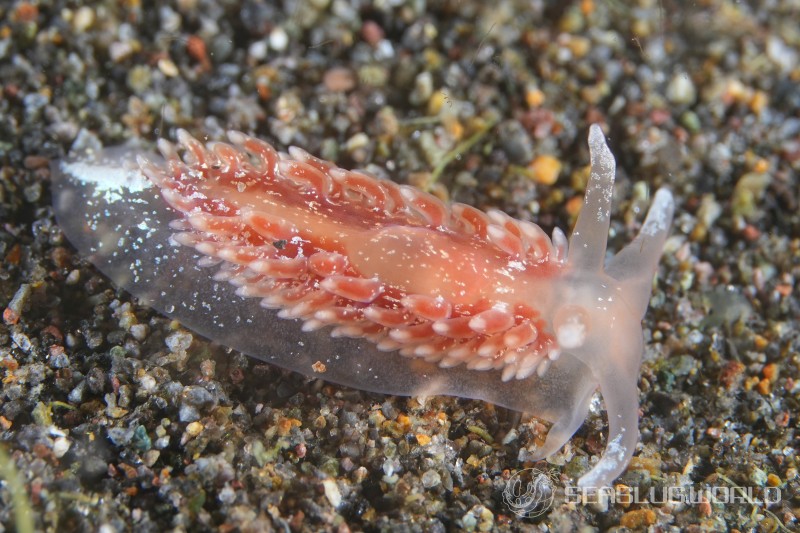
2. Taxonomists honoured by eponyms
Next, eponyms among taxonomists themselves. A specific epithet (e.g. Hypselodoris babai) is inherited only by that one species, while a genus name (e.g. Babakina indopacifica) is inherited by every species placed in the genus, so the name stays around for as long as the genus is recognised.
Below is a list of taxonomists honoured by sea slug eponyms among species currently registered on this site. The four whose names live on at the genus level are Baba, Bergh, Gosliner, and Valdés. The species counts here are limited to entries on this site; the global figures are higher for several of them.
Genus-level eponyms (4 people)
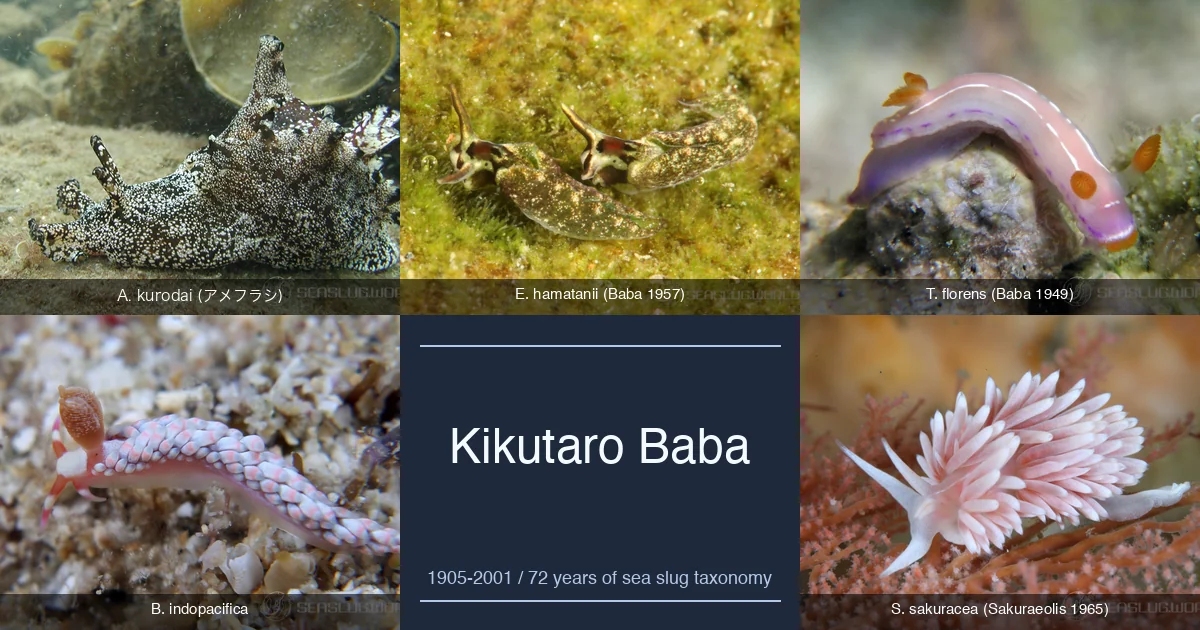
- Kikutaro Baba (1905-2001) — 7 species + genus Babakina
e.g. Babakina indopacifica / Cyerce kikutarobabai / Hypselodoris babai - Rudolph Bergh (1824-1909) — 1 species + genus Berghia
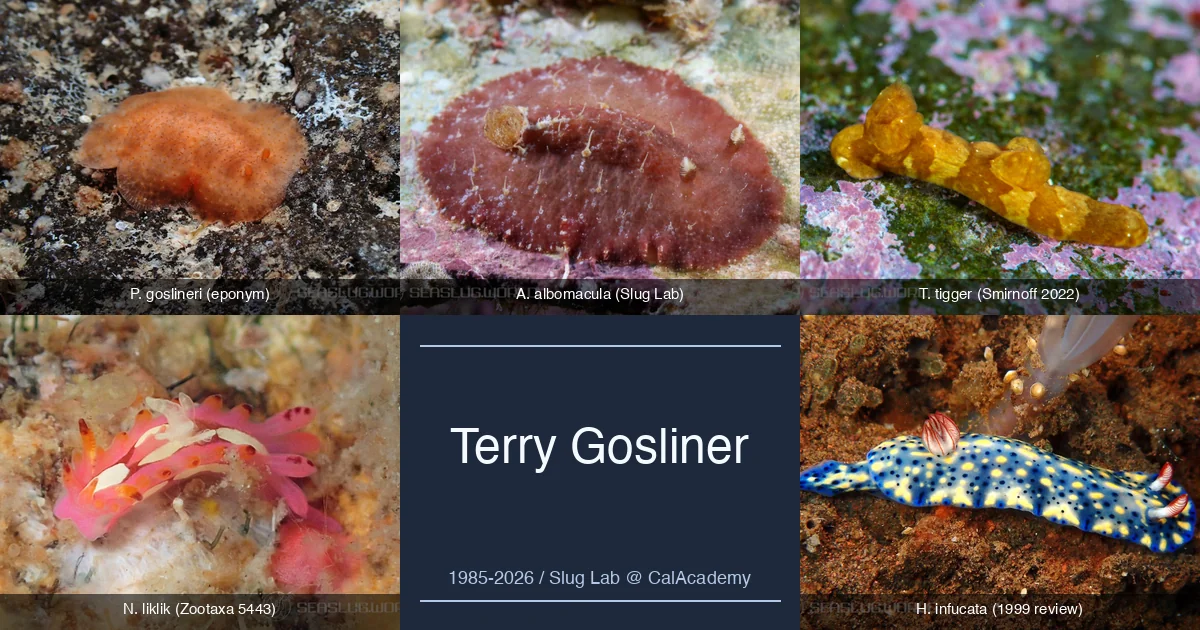
e.g. Stiliger berghi / Berghia coerulescens - Terry Gosliner — 1 species + genus Goslineria
e.g. Phyllidia goslineri / Goslineria callosa - Ángel Valdés — 1 species + genus Avaldesia
e.g. Unidentia angelvaldesi / Avaldesia albomacula
Species-level eponyms
- Neville Coleman (1938-2012) — 3 species
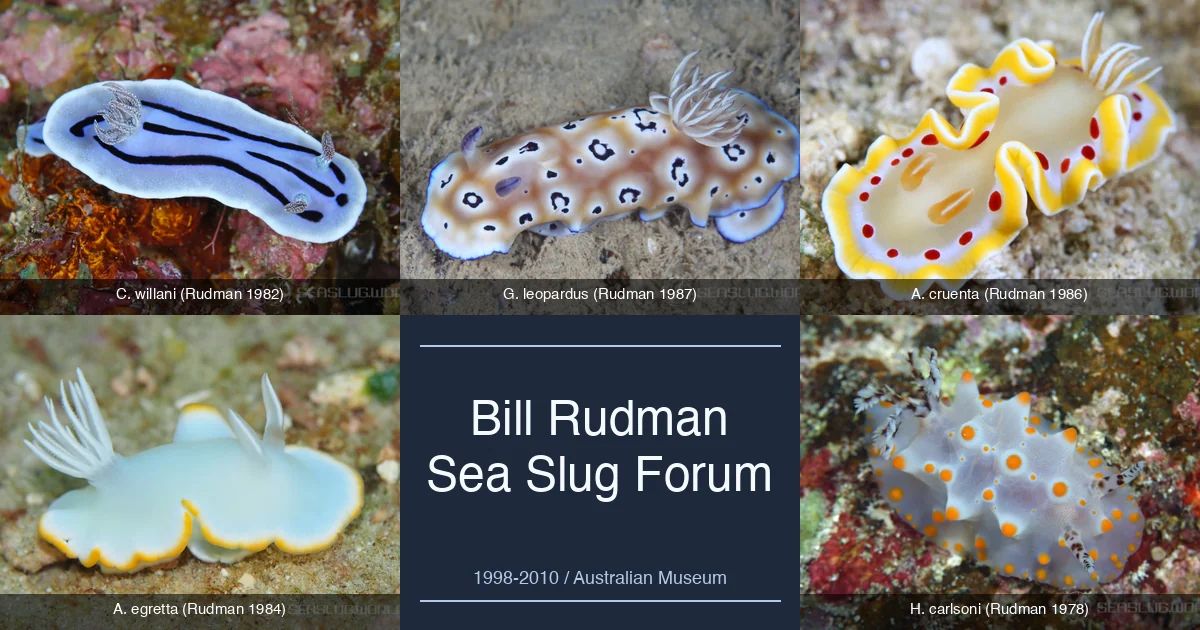
e.g. Chromodoris colemani / Phyllodesmium colemani / Melibe colemani - Bill Rudman — 3 species
e.g. Phyllodesmium rudmani / Hypselodoris rudmani / Phyllidiella rudmani - Richard Willan — 2 species
e.g. Chromodoris willani / Phyllidia willani - Iwao Hamatani — 1 species: Elysia hamatanii
- Hiroshi Fukuda — 1 species: Melanochlamys fukudai
- Cynthia Trowbridge — 1 species: Cyerce trowbridgeae
- Kathe Jensen — 1 species: Polybranchia jensenae
- Nils Hj. Odhner (1884-1973, Swedish Riksmuseum) — 1 species: Doris odhneri
3. The Umiushi Hunters and the new family Hantazuidae
In 2025, Korshunova and colleagues published a major paper on the hidden diversity of the North Pacific in which they erected the new family Hantazuidae. The name derives from "Hantazu" — a shortening of the katakana for "Umiushi Hunters" (ウミウシハンターズ), the diving club based at Jōgashima, owned by Yugo Ikeda.
All three new species placed in the new family are dedicated to Japanese citizen scientists who assisted Korshunova et al. with field collection and specimen sourcing:
- Hantazuia yugoikedai — Yugo Ikeda, owner of the Umiushi Hunters dive shop at Jōgashima
- Hantazuia kimotoi — Nobuhiko Kimoto, operator of this site (SEASLUG.WORLD)
- Hantazuia imagawai — Iku Imagawa, who runs the Ocean Blue dive service in Okinawa
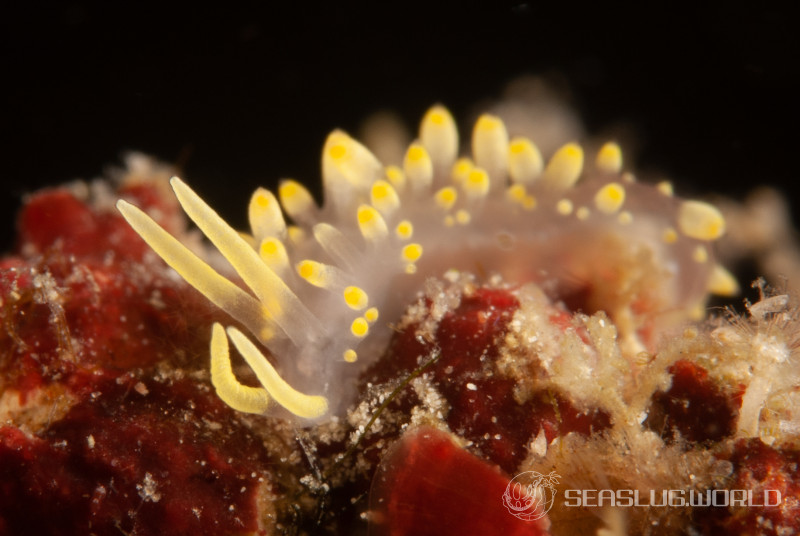
The three are not members of the same diving club. Each independently helped Korshunova et al. through their own observation and collection work, and the dedications happened to all land on Japanese individuals. Where 19th- and 20th-century eponyms like Baba's and Bergh's genus-level dedications honoured predecessors in the field, Hantazuidae is a slightly unusual case where the dedicatees are present-day field observers.
4. Summary
Part 1 (foreign nicknames like Sea Bunny) → Part 2 (Edo-era Japanese vernacular names) → Part 3 (modern eponyms) covers sea slug naming history along the time axis. Modern eponyms remain in scientific names as quiet records of acknowledgement — by taxonomists for their contemporaries, predecessors, and circles.
The individual stories behind each person, and the specific circumstances behind their eponyms, will be covered in a person-by-person profile series. The first instalment, on Dr Kikutaro Baba, is scheduled for next week.
Related articles
Part 2: Misugai, Benishibori, Konshibori-gai — old Edo-era names for sea slugs in Japanese shell catalogues
Enjoyed this post? You can tip the author directly —
Tip this post